Q50Written answer
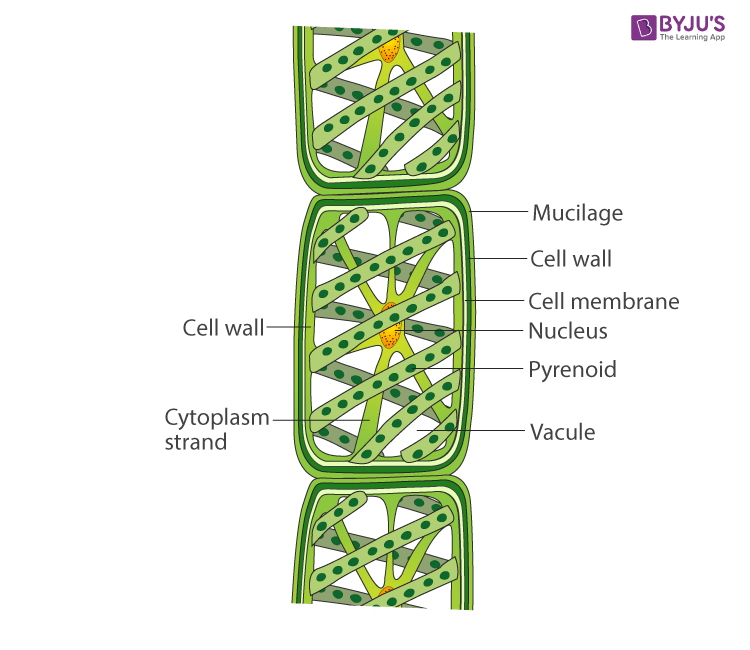
Write the names of a few thallophytes. Draw a labelled diagram of Spirogyra.
Show solutionHide solution
Worked solution
Ulothrix, Spirogyra, Cladophara, Ulva and Chara are a few examples for Thallophytes
Your cart is empty.
Practice each question, then open the answer or worked solution.
Write the names of a few thallophytes. Draw a labelled diagram of Spirogyra.
Ulothrix, Spirogyra, Cladophara, Ulva and Chara are a few examples for Thallophytes
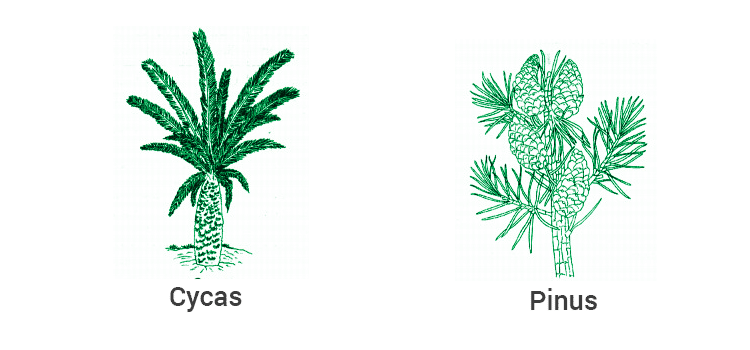
Thallophyta, bryophyta and pteridophyta are called as ‘Cryptogams’. Gymnosperms and Angiosperms are called as ‘phanerogams’. Discuss why? Draw one example of a Gymnosperm.
Thallophyta, bryophyta and pteridophyta are called as ‘Cryptogams’ because the reproductive organs of plants in all these three groups are very inconspicuous, and they are therefore called ‘cryptogams’, or ‘those with hidden reproductive organs’. In these plants, seeds are absent.
Example : Pinus
Gymnosperms and Angiosperms are called as ‘phanerogams’ because these are the plants with well-differentiated reproductive parts that ultimately make seeds.
Example: Cycas
Define the terms and give one example of each
(a) Bilateral symmetry
(b) Coelom
(c) Triploblastic
You are given leech, Nereis, Scolopendra, prawn and scorpion, and all have segmented body organisation. Will you classify them into one group? If no, give the important characters based on which you will separate these organisms into different groups.
The organisms given in the question do not belong to a common group of organisms. Leech and Nereis are annelids, but Scolopendra, prawn and scorpion are arthropods
Annelids have a metamerically segmented body. A metamerically segmented body is divided into many segments internally by septa. From head to tail, body segments are lined up one after the other. Arthropods have jointed legs and an open circulating system.
Which organism is more complex and evolved among Bacteria, Mushroom and Mango tree? Give reasons.
Among Bacteria, Mushroom and Mango Tree: The mango tree is a complex and evolved organism because it is a Eukaryotic, multicellular, autotrophic terrestrial plant. It is an angiosperm, and its seeds are covered within the ovary. Its reproductive organs accumulate in flower hence it is called a flowering plant.
Bacteria are prokaryotic unicellular organisms, and fungi are heterotrophic thallophytes with no body differentiation. Hence the mango tree evolved more than bacteria and fungi.
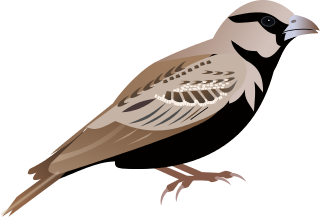
Differentiate between flying lizard and bird. Draw the diagram.
| Sl. No | Flying lizard is a reptile-class Reptilia | The bird belongs to class Aves. |
| 1 | Ectothermic or cold-blooded, terrestrial or aquatic vertebrates. | Warm-blooded, tetrapod vertebrates (birds) with various flight adaptations. Size ranges from the smallest hummingbird to the largest ostrich. |
| 2 | Body covered with dry water-proof skin having horny epidermal scales or dermal acute plates. | Persist on the feet, but feathers cover most of the body. |
| 3 | The body varies in form and is usually divided into head, neck, trunk and tail. | The spindle or boat-shaped body is divisible into head, neck, trunk and tail. |
| 4 | Limbs are tetrapods pentadactyl (five-toed) type; with clawed digits (limbs are absent in snakes and some lizards). | Fore-limbs are modified into wings for flight. Hind limbs bear four clawed digits and are adapted for walking, perching, or swimming. |
| 5 | Teeth are present in all reptiles except in tortoises and turtles. | Narrow jaws form a horny beak, which is modified for a different purpose. Teeth are absent. |
| 6 | Respiration is through the lungs only. No gills are present. | They breathe through lungs. |
| 7 | The heart is three-chambered and is divided into two auricles and an incompletely divided ventricle. Only crocodiles have a four-chambered heart. | Four-chambered heart with two auricles and two ventricles. |
| 8 | Fertilisation is internal. Most reptiles are oviparous and lay their eggs with tough covering and do not need to lay their eggs in water. A few reptiles are viviparous, (e.g., lizards and snakes). No aquatic larval stage. | Fertilization is internal. They are oviparous and lay large, yolk-laden eggs having hard shells. |
| 9 | 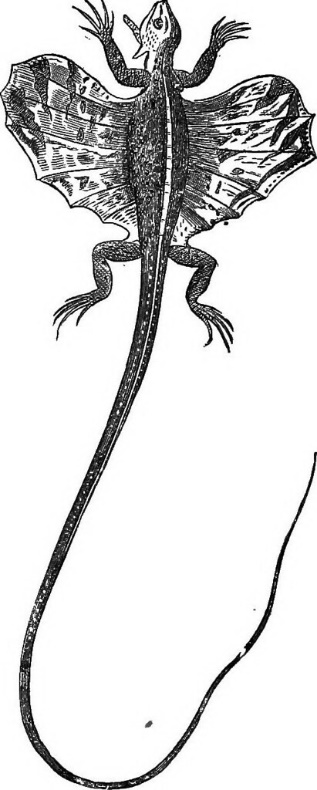 |
 |
List out some common features in cat, rat and bat.
Why do we keep both snake and turtle in the same class?
Because both have a certain common feature which is listed below.