Q121Written answer
The flag of Japan is shown below. How many lines of symmetry does the flag have?
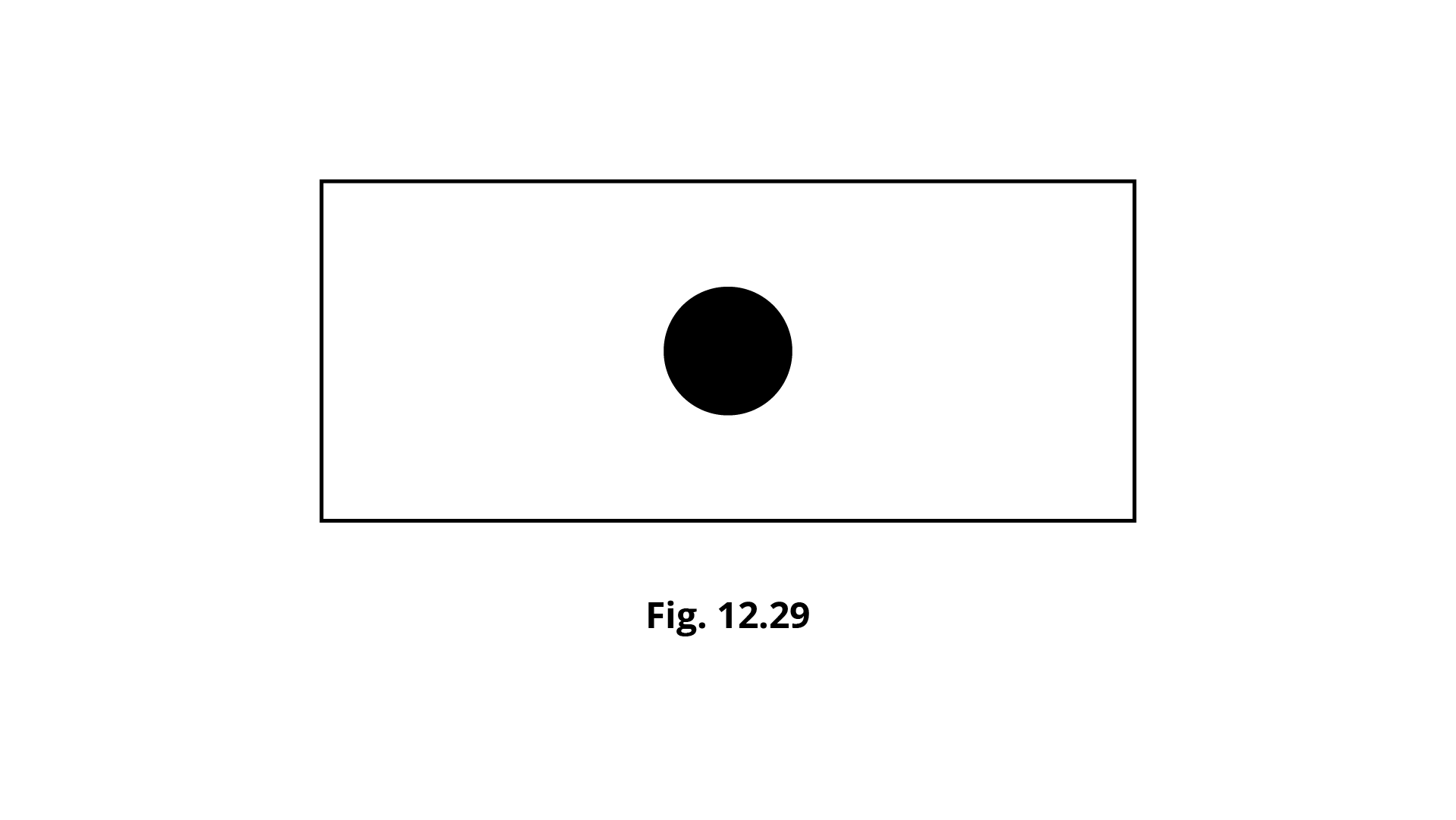
Show solutionHide solution
Worked solution
Ans: The given flag has two lines of symmetry.
Your cart is empty.
Practice each question, then open the answer or worked solution.
The flag of Japan is shown below. How many lines of symmetry does the flag have?
Ans: The given flag has two lines of symmetry.
Which of the figures given below have both line and rotational symmetry?
(a)
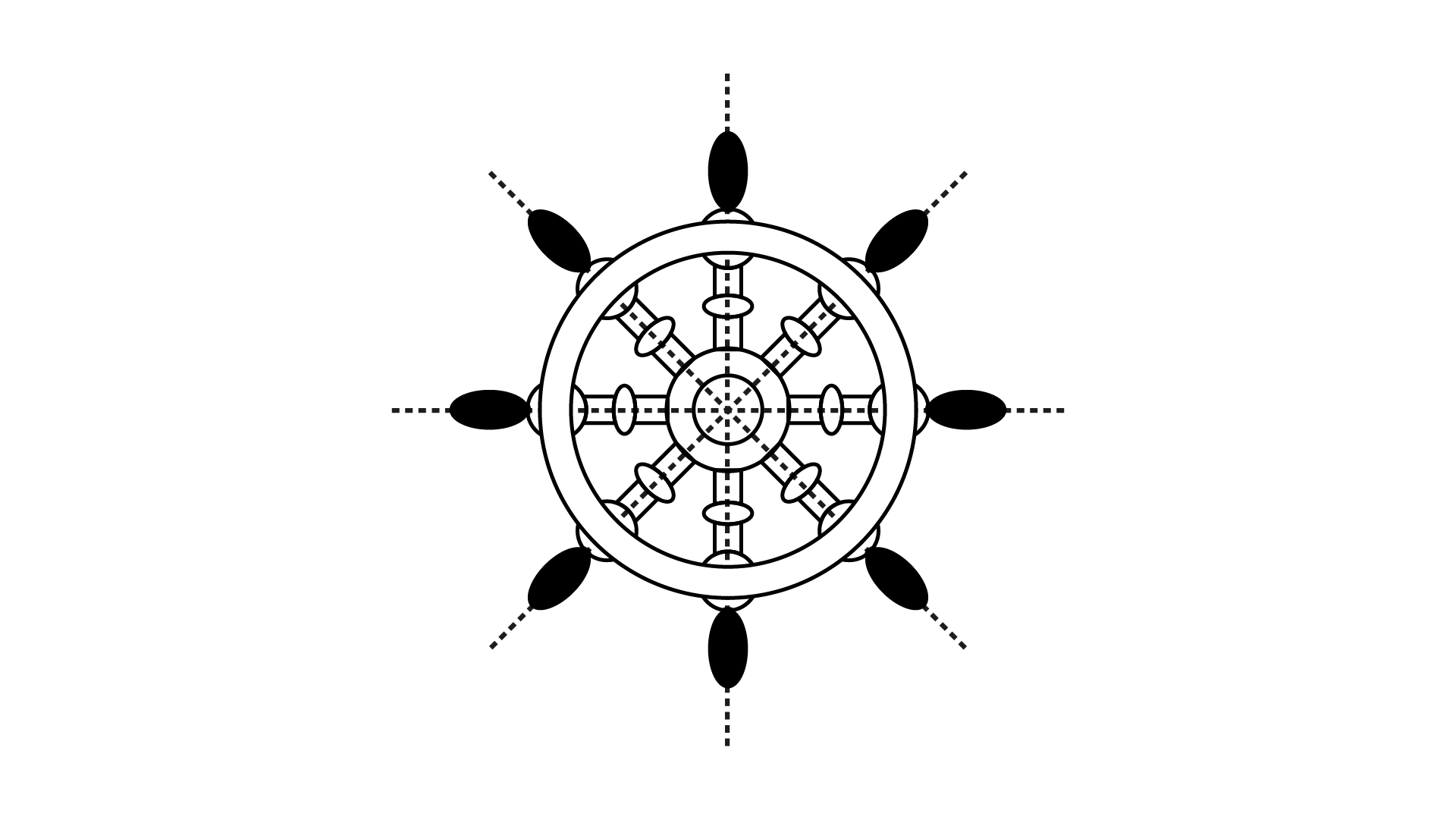
(b)

(c)
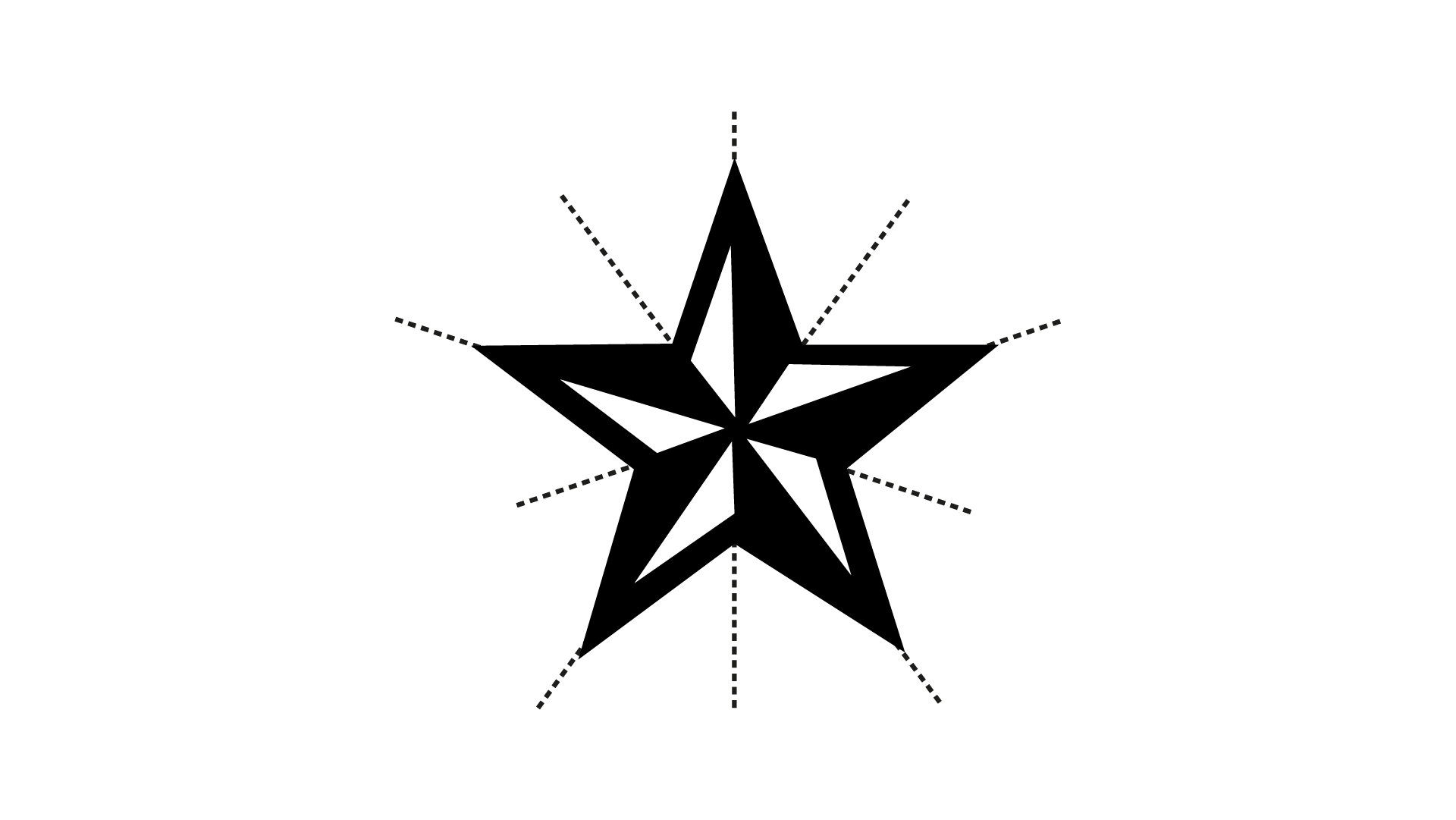
(d)
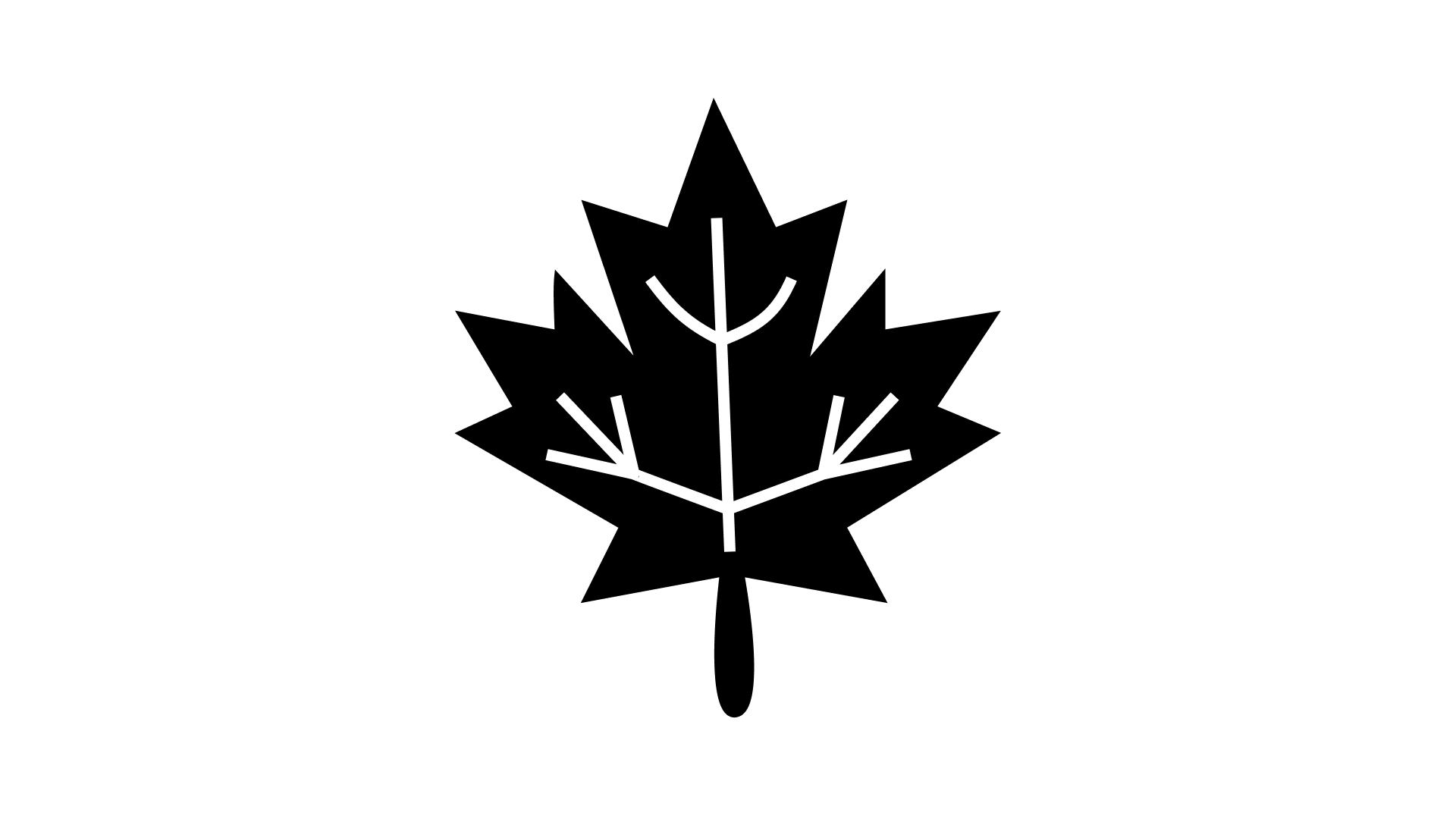
Ans: Only (a) have both line and rotational symmetry. In the given figure, line of symmetry will be shown as,
Also, rotational symmetry will be shown as,
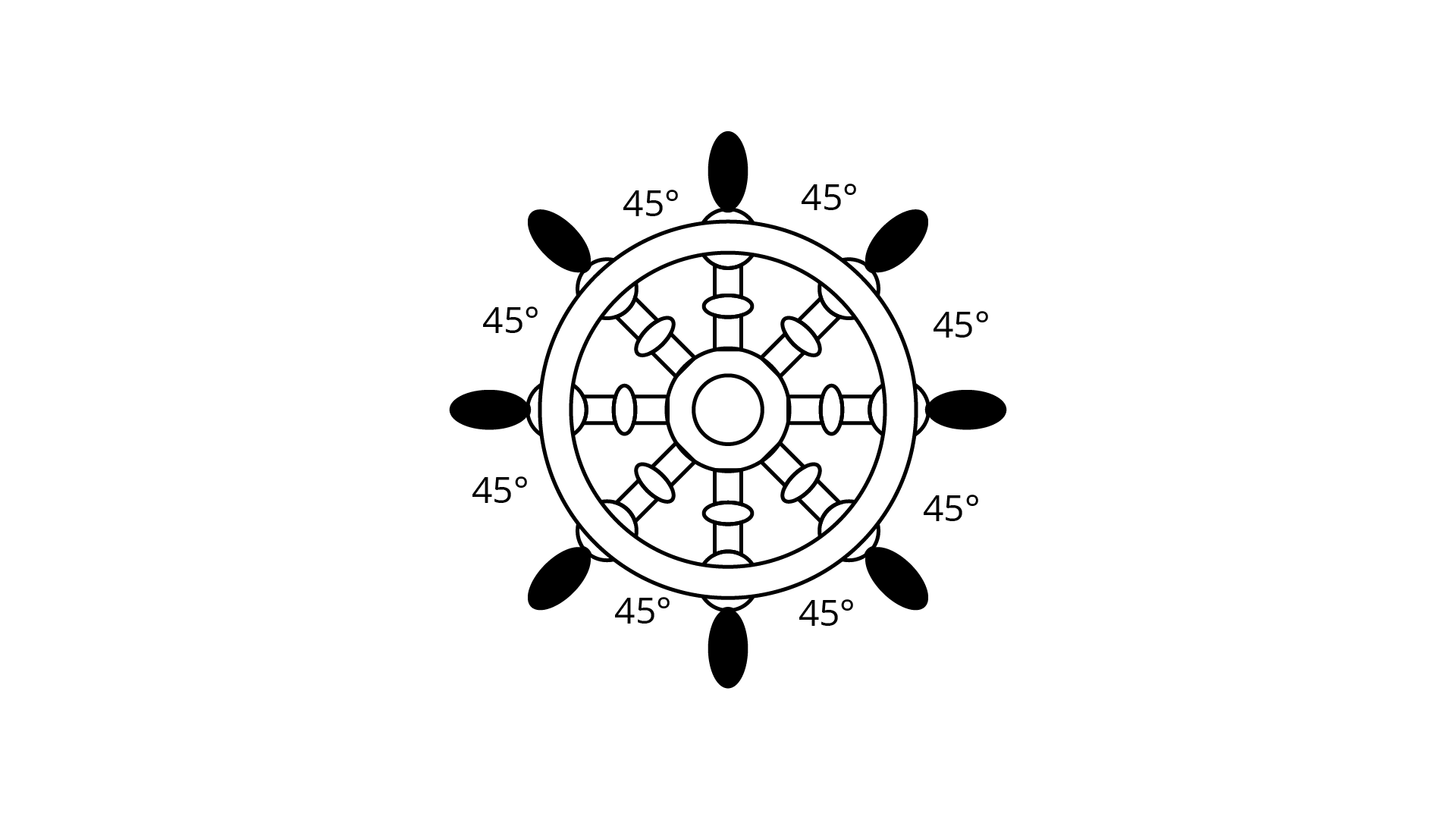
$\dfrac{{{{360}^\circ }}}{8} = {45^\circ }$, i.e. rotational angle is equal to ${45^\circ }$.
Which of the following figures do not have line symmetry?
(a)
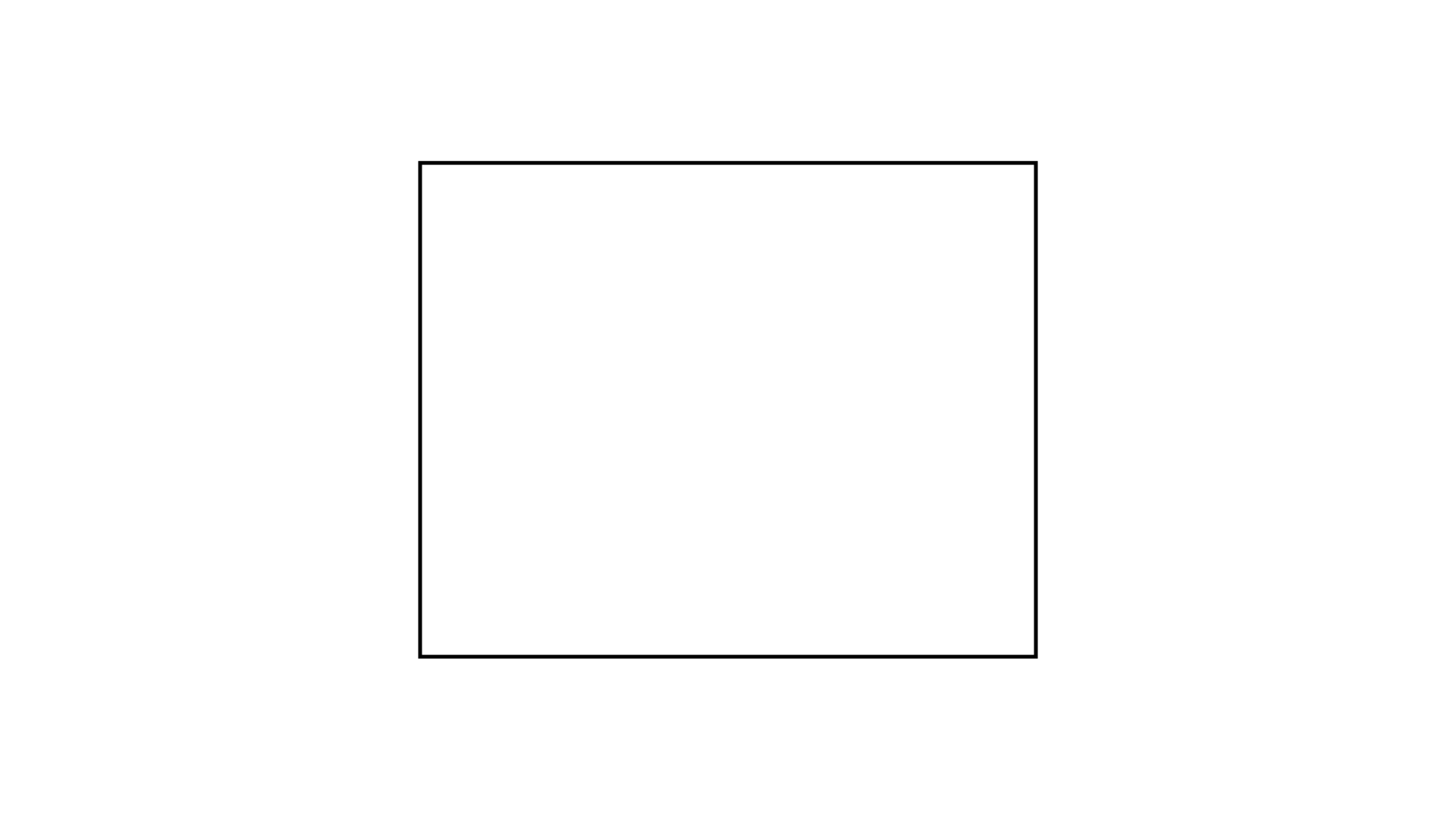
(b)
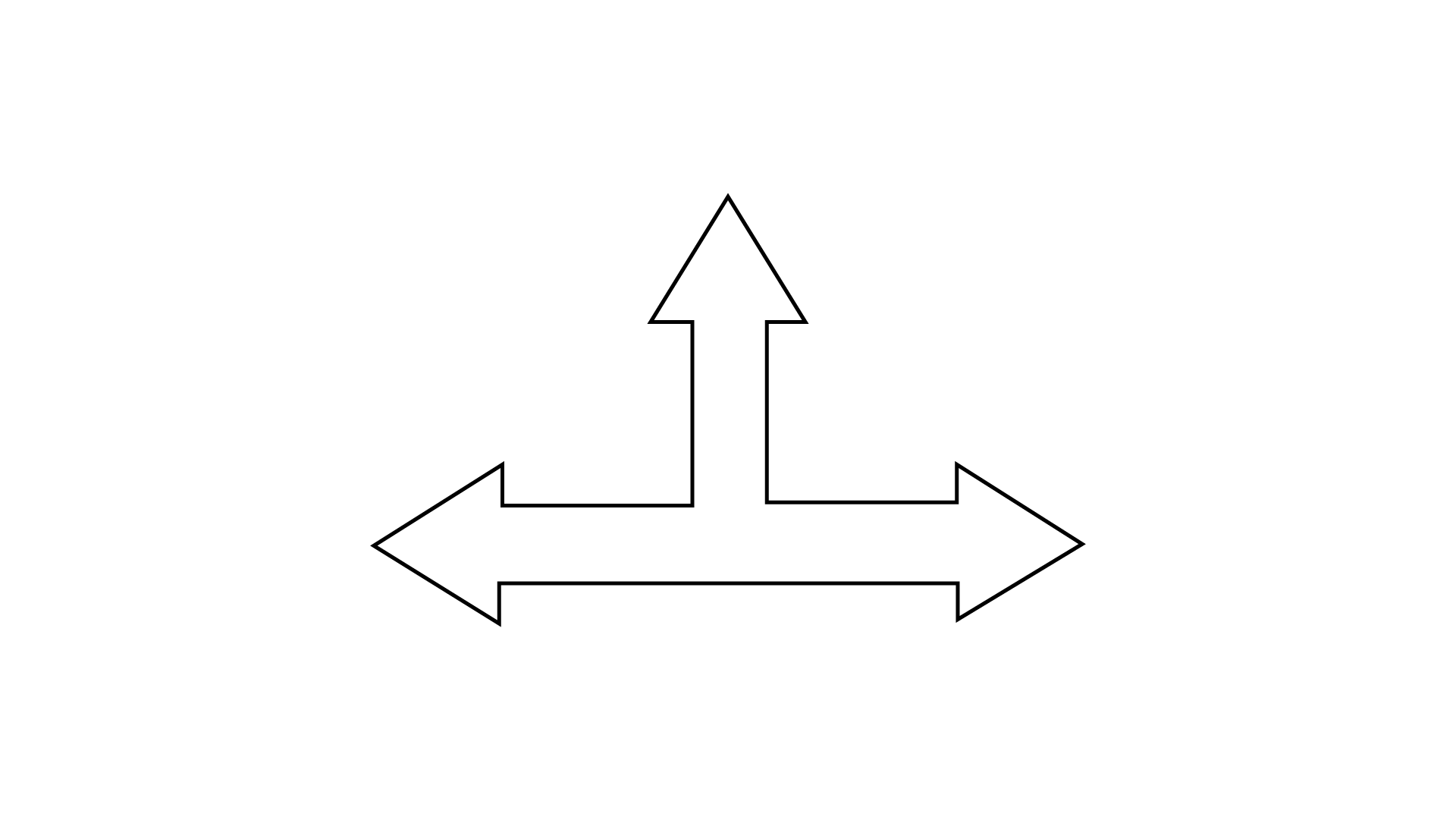
(c)
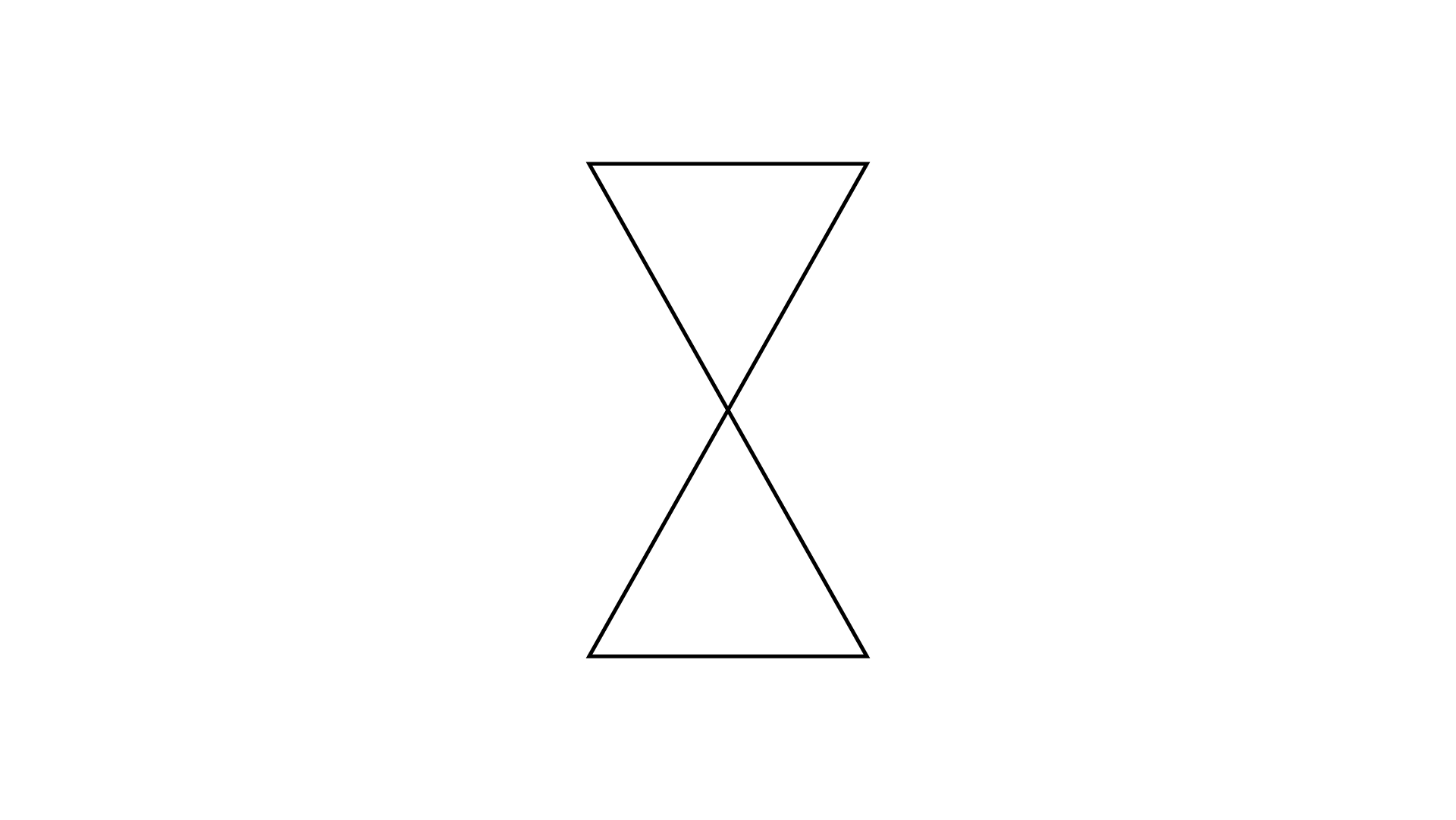
(d)
Solution coming soon.
Which capital letters of the English alphabet have no line of symmetry?
Ans: The letters ${\text{F, G, J, L, N, R Q, R, S and Z}}$ have no line of symmetry.
Concepts To Learn From NCERT Exemplar Class 7 Math Solutions Chapter 12 Practical Geometry Symmetry & Visualizing Solid Shapes
As we all know geometry is all around our environment and can’t be ignored, similarly the chapter Practical Geometry Symmetry & Visualizing Solid Shapes cannot be ignored in the Class 7th Math syllabus. Understanding this chapter to its core is very important because it makes students learn how to measure the dimensions of a particular shape, how to recognize a shape to solve a problem, and more. In this chapter students also learn crucial visualization skills that are necessary to solve different NCERT problems and can be very easily also learned and organized through deep practice.
This chapter includes a wide variety of exercise solutions to help students with all types of concepts that could be related to Practical geometry and visualizing solid shapes. Students might not realize but this chapter is of huge practical importance and it’s important to have clarity of it. Class 7th students will learn how to construct parallel lines, different triangles with essential conditions. In addition to that students will also learn about line and rotational symmetry in this chapter. One amazing thing children will learn in this chapter is about different solid shapes, their oblique nature and how they are represented isometrically.