My Cart
Your Cart 0

    Your cart is empty.

  • Total (Amount) ₹0.00
NCERT Exemplar · Class 7 · Maths

Chapter 12: Practical Geometry Symmetry and Visualising Solid Shapes

Practice each question, then open the answer or worked solution.

Textbook exercises

124 questions
Q101Written answer

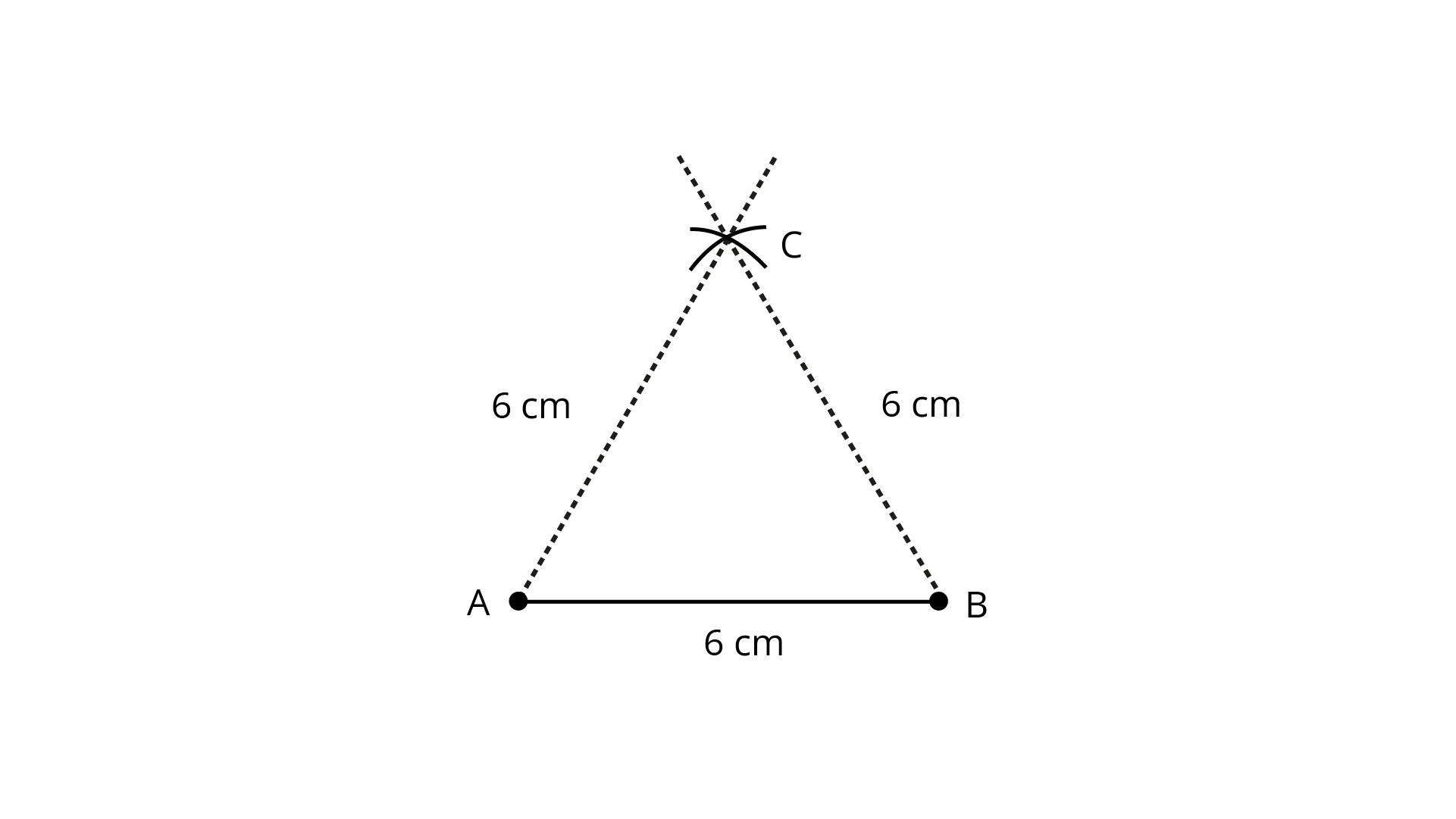
Construct an equilateral triangle ${\text{ABC}}$ of side ${\text{6}}\,{\text{cm}}$.

Show solutionHide solution
Worked solution

Ans: Steps of construction:
(1) Draw a line segment ${\text{AB = 6}}\,{\text{cm}}$ 

(2) Draw an arc of radius ${\text{6}}\,{\text{cm}}$ from point ${\text{A}}.$
(3) Now, draw another arc of radius ${\text{6}}\,{\text{cm}}$ from point ${\text{B}}$ to cut previous arc at ${\text{C}}.$
(4) Join ${\text{A}}$ to ${\text{C}}$ and ${\text{B}}$ to ${\text{C}}$.


seo images

Hence, $\Delta {\text{ABC}}$ is the required triangle of side ${\text{6}}\,{\text{cm}}$.


Q102Written answer

By what minimum angle does a regular hexagon rotate so as to coincide with its original position for the first time?

Show solutionHide solution
Worked solution

Ans:

A regular hexagon must be rotated through a minimum angle of ${60}^{\circ} $. So, that it can coincide with its original position for the first time. Because the angle of rotation of hexagon is,

$\dfrac{{{{360}^\circ }}}{{{\text{ Number of sides }}}} = \dfrac{{{{360}^\circ }}}{6} = {60^\circ }$


Q103Written answer

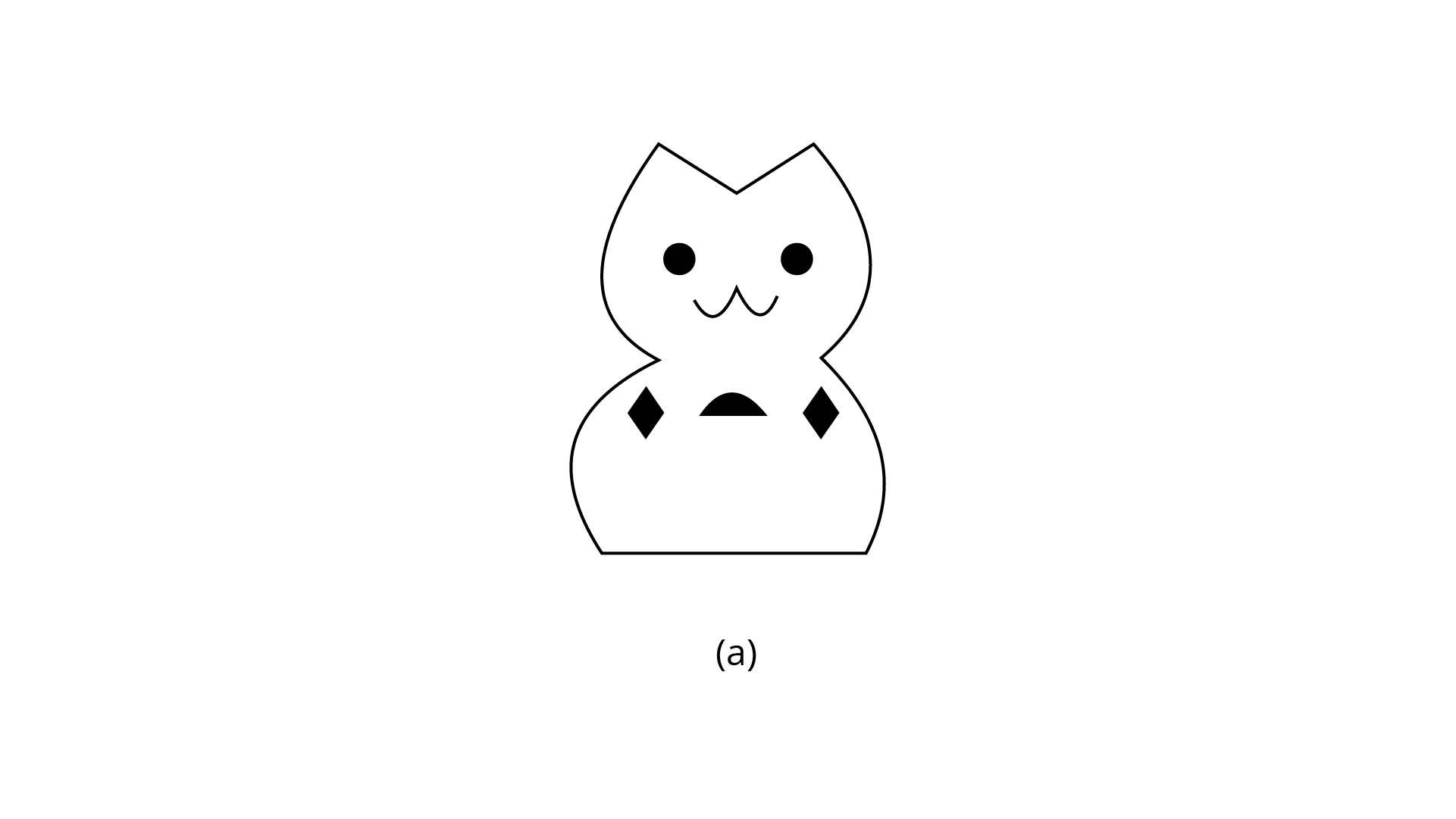
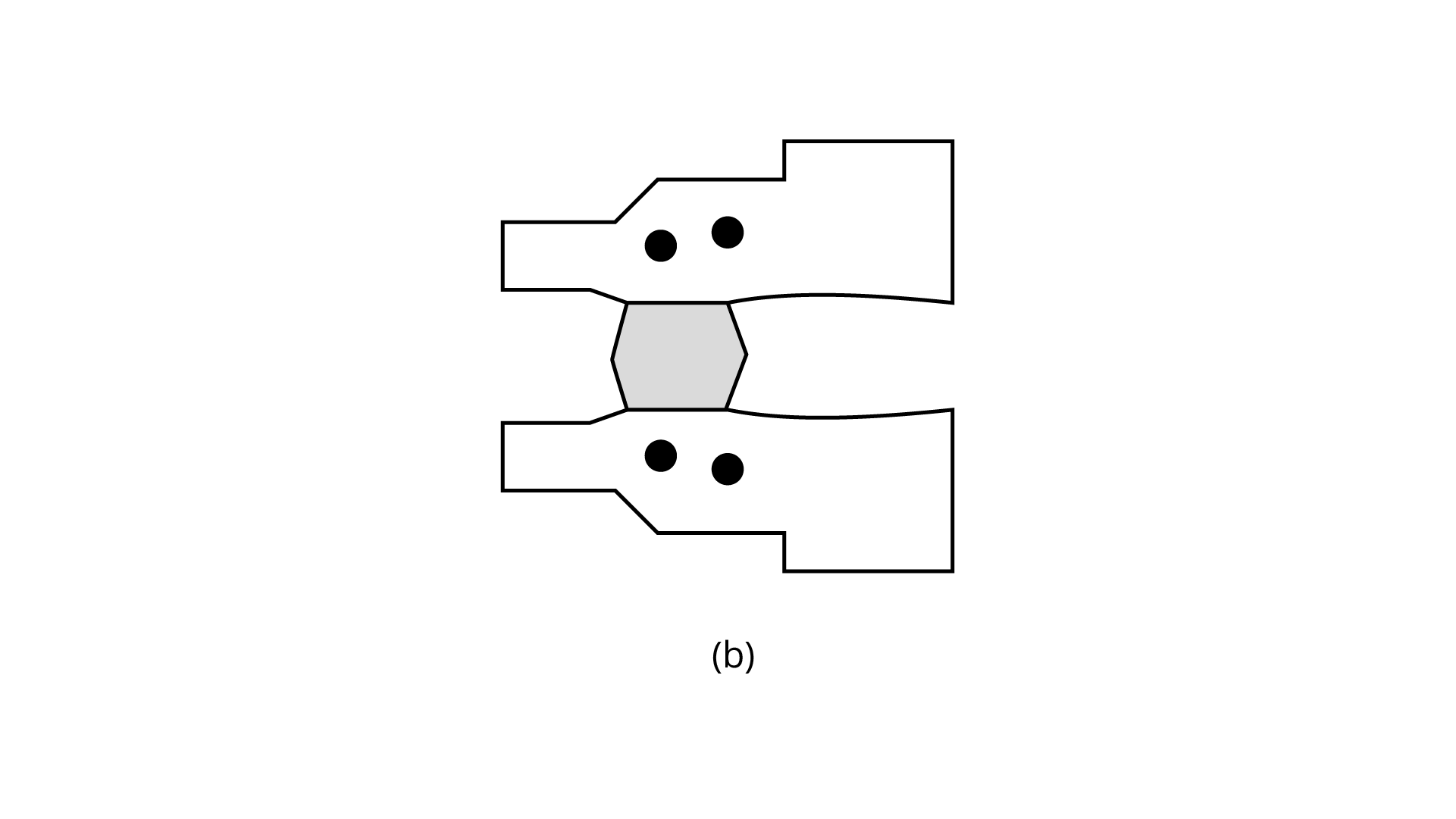
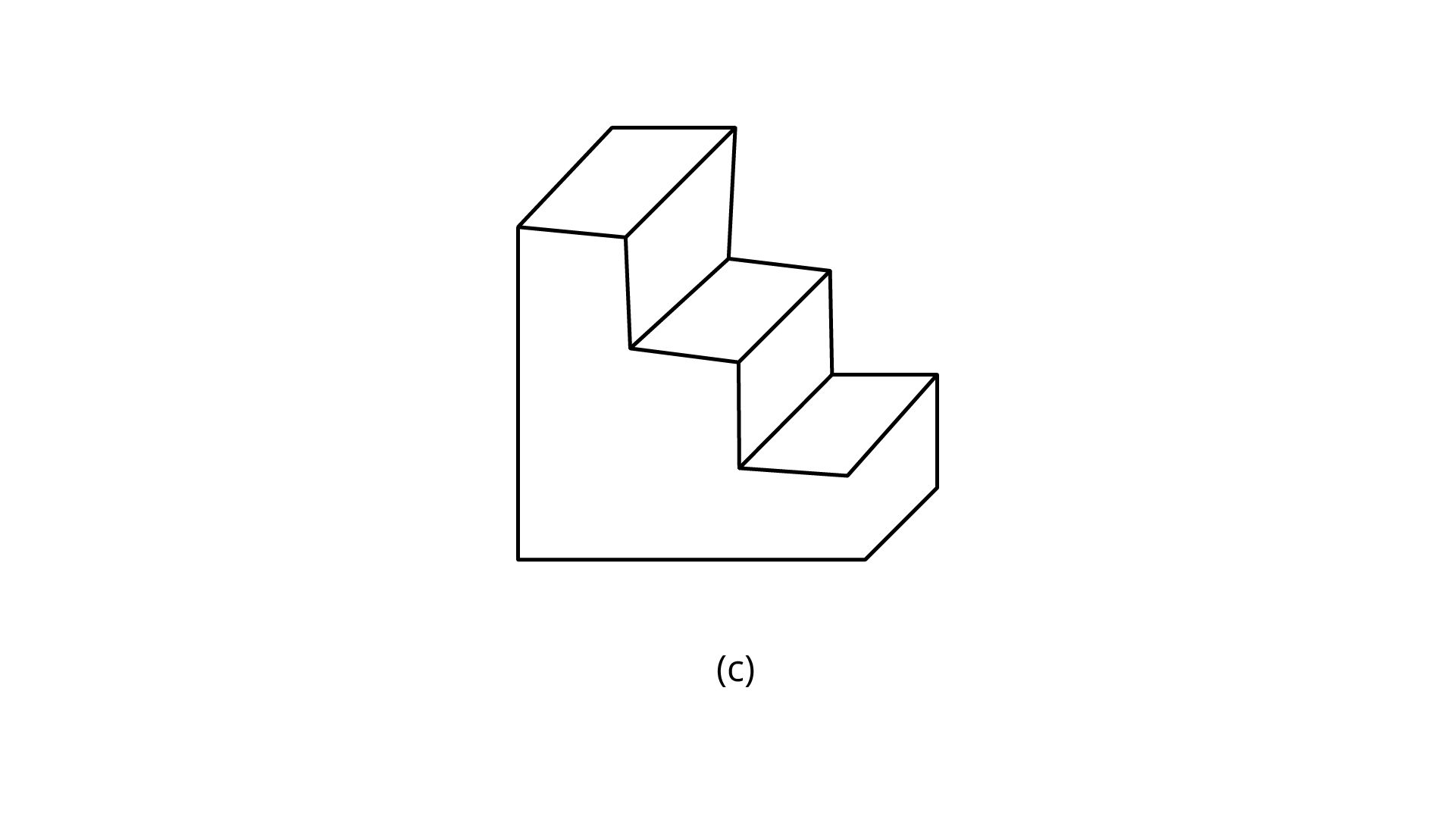
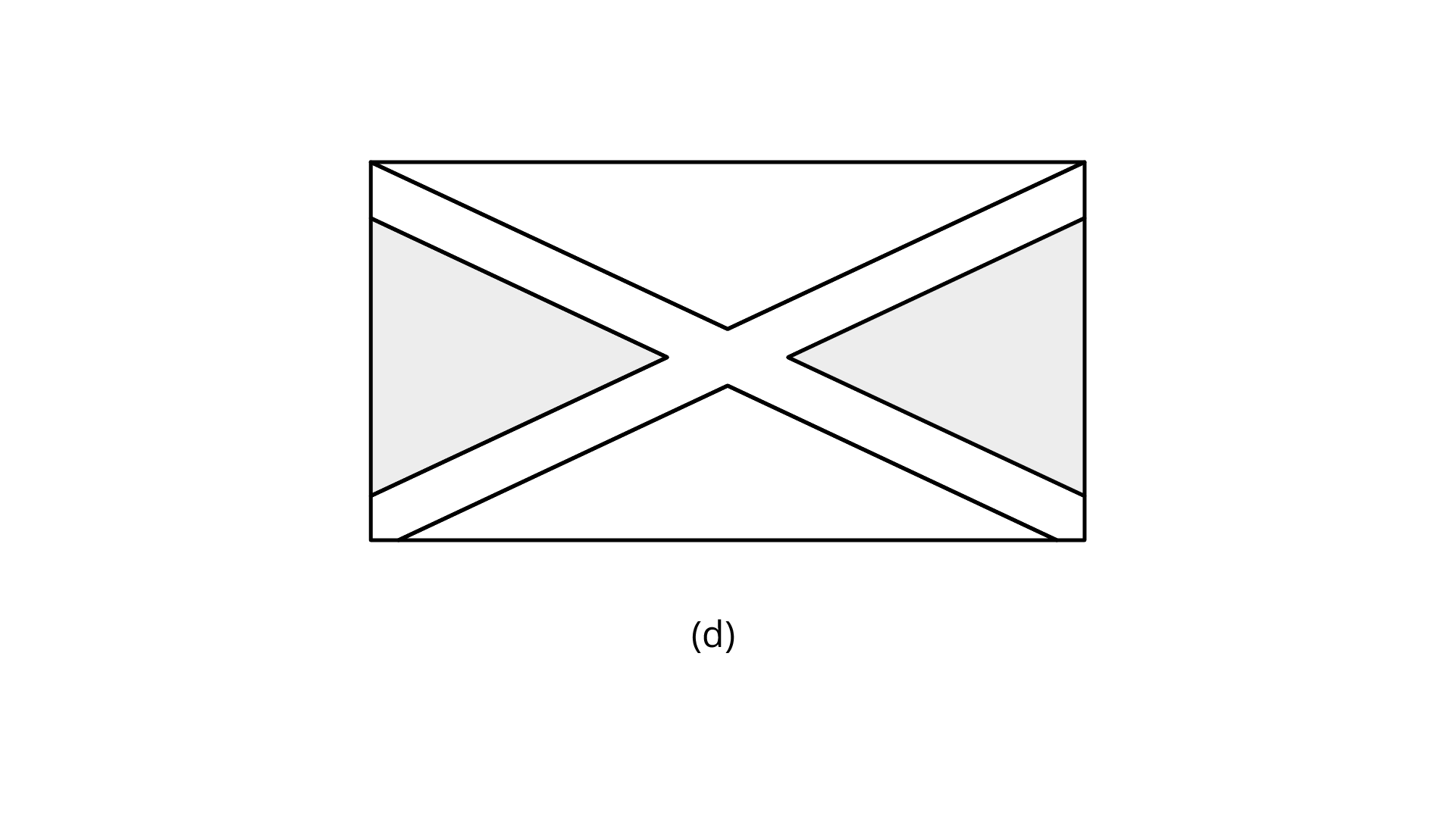
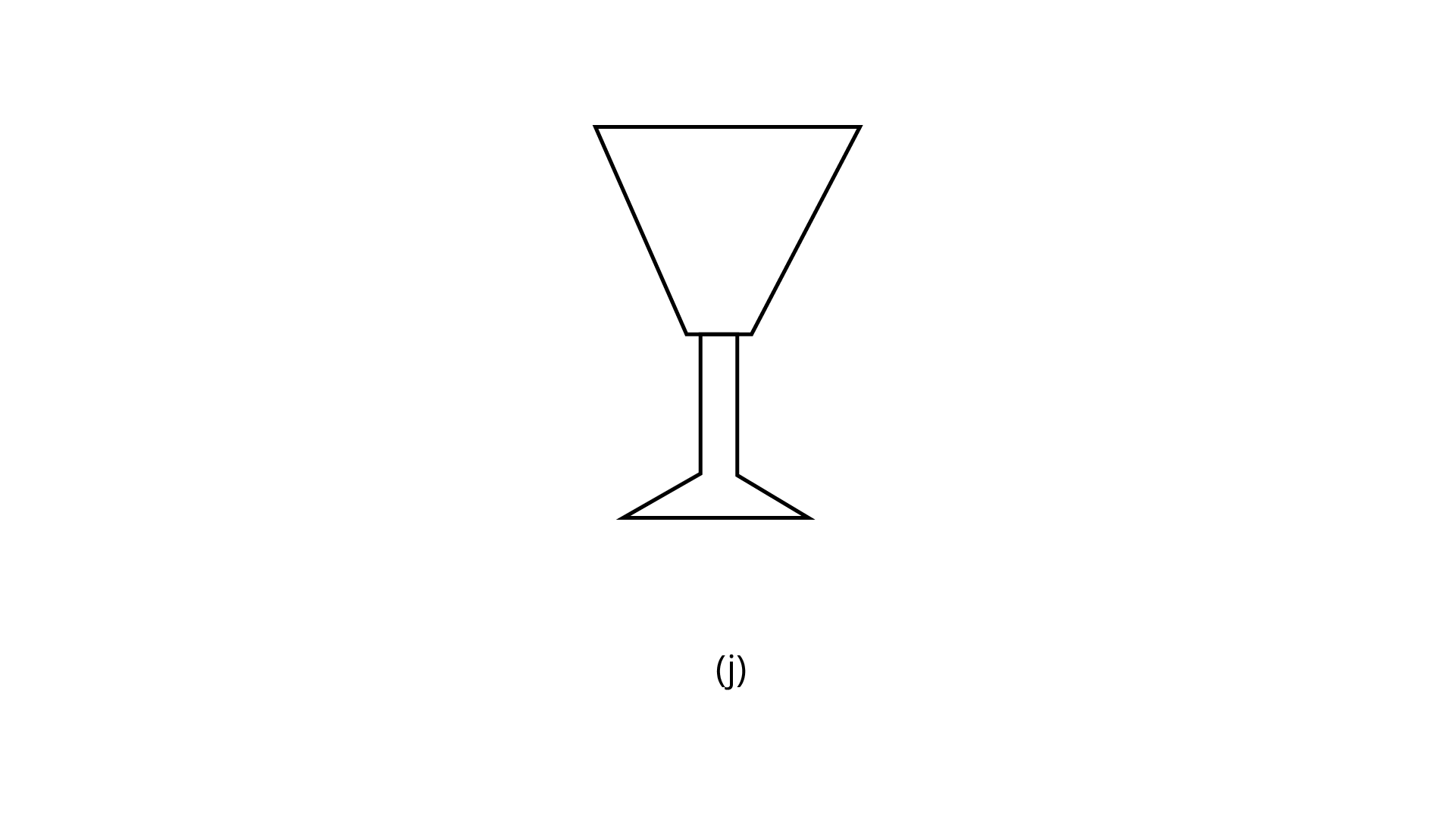
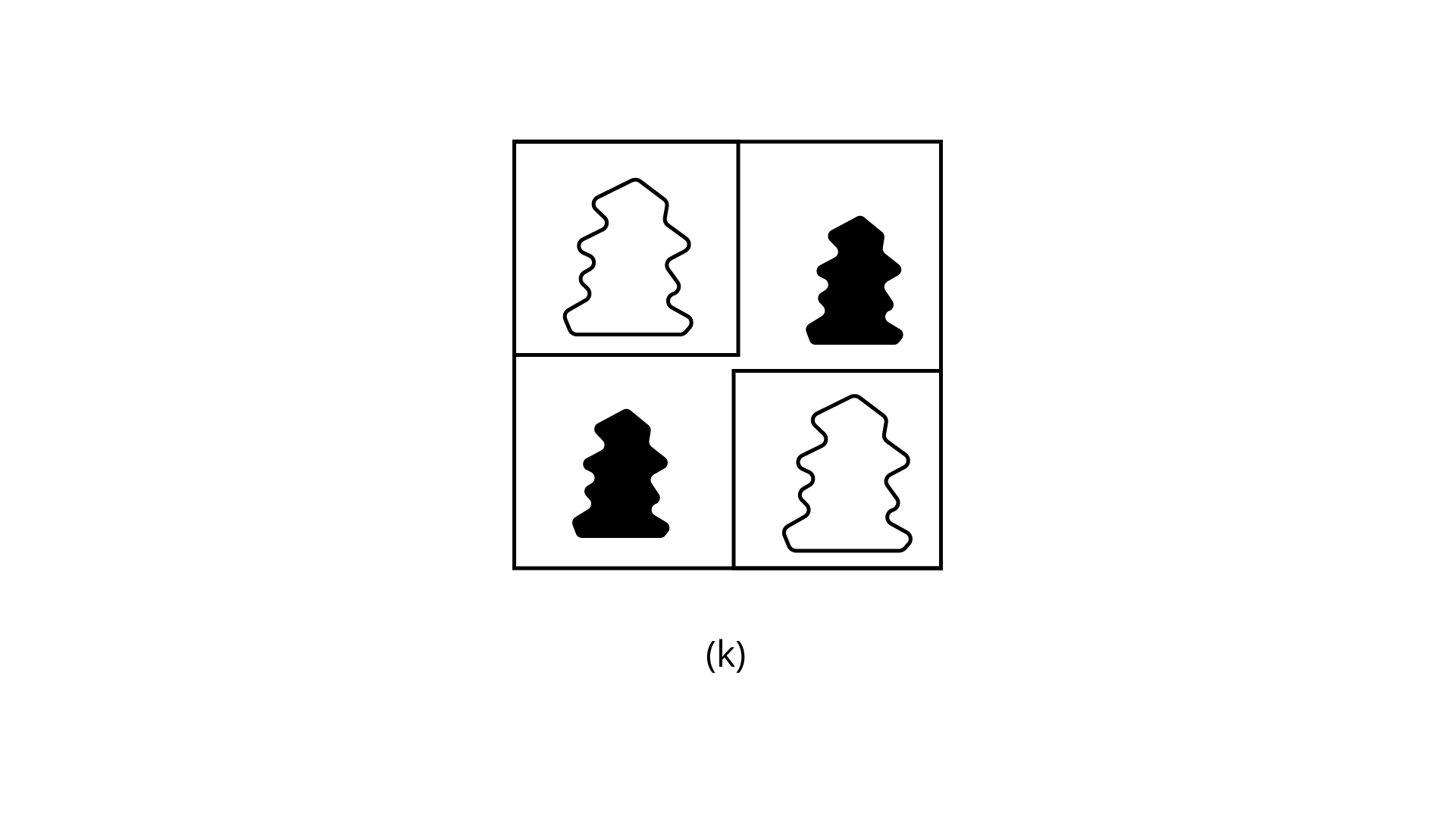
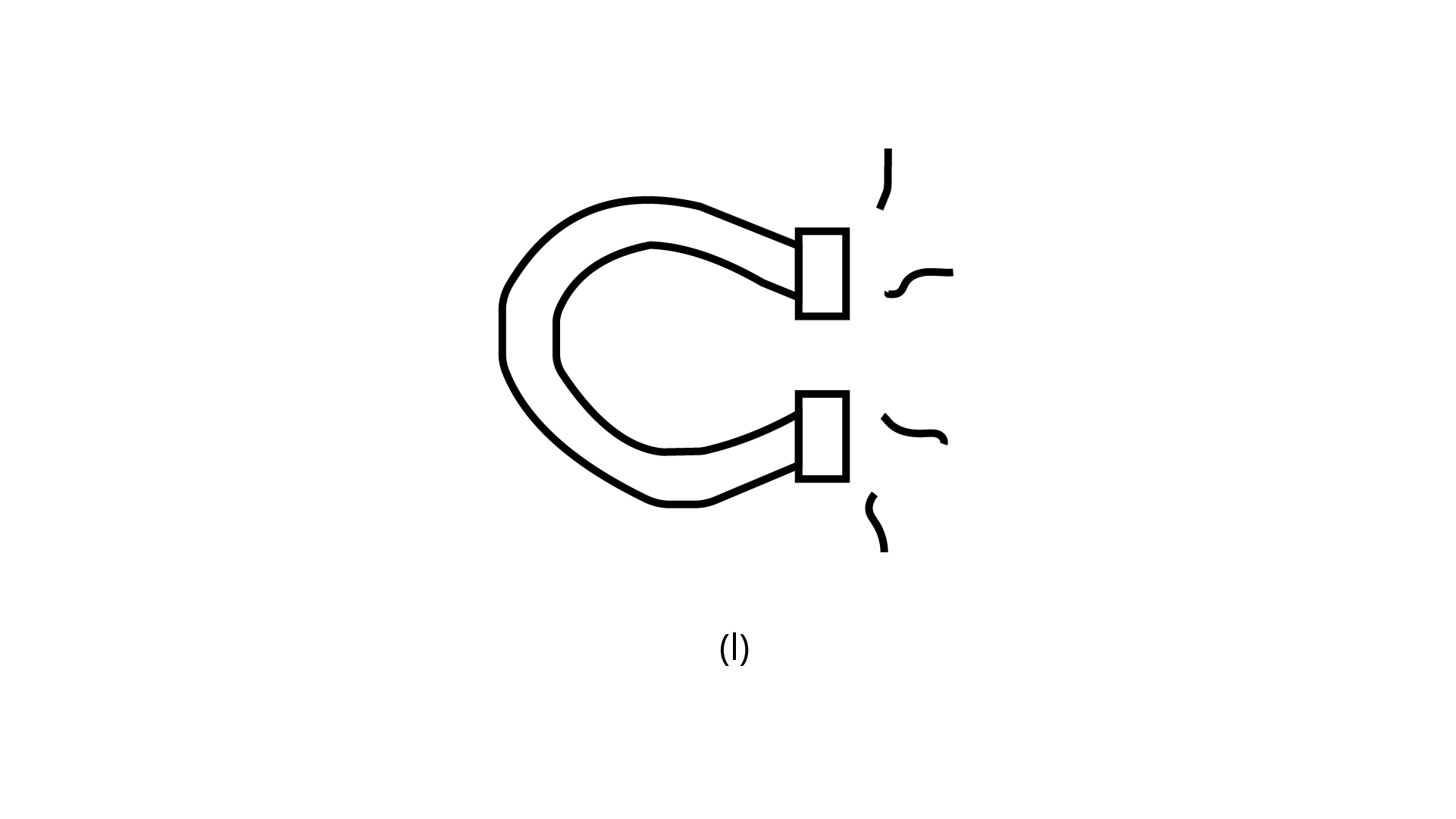
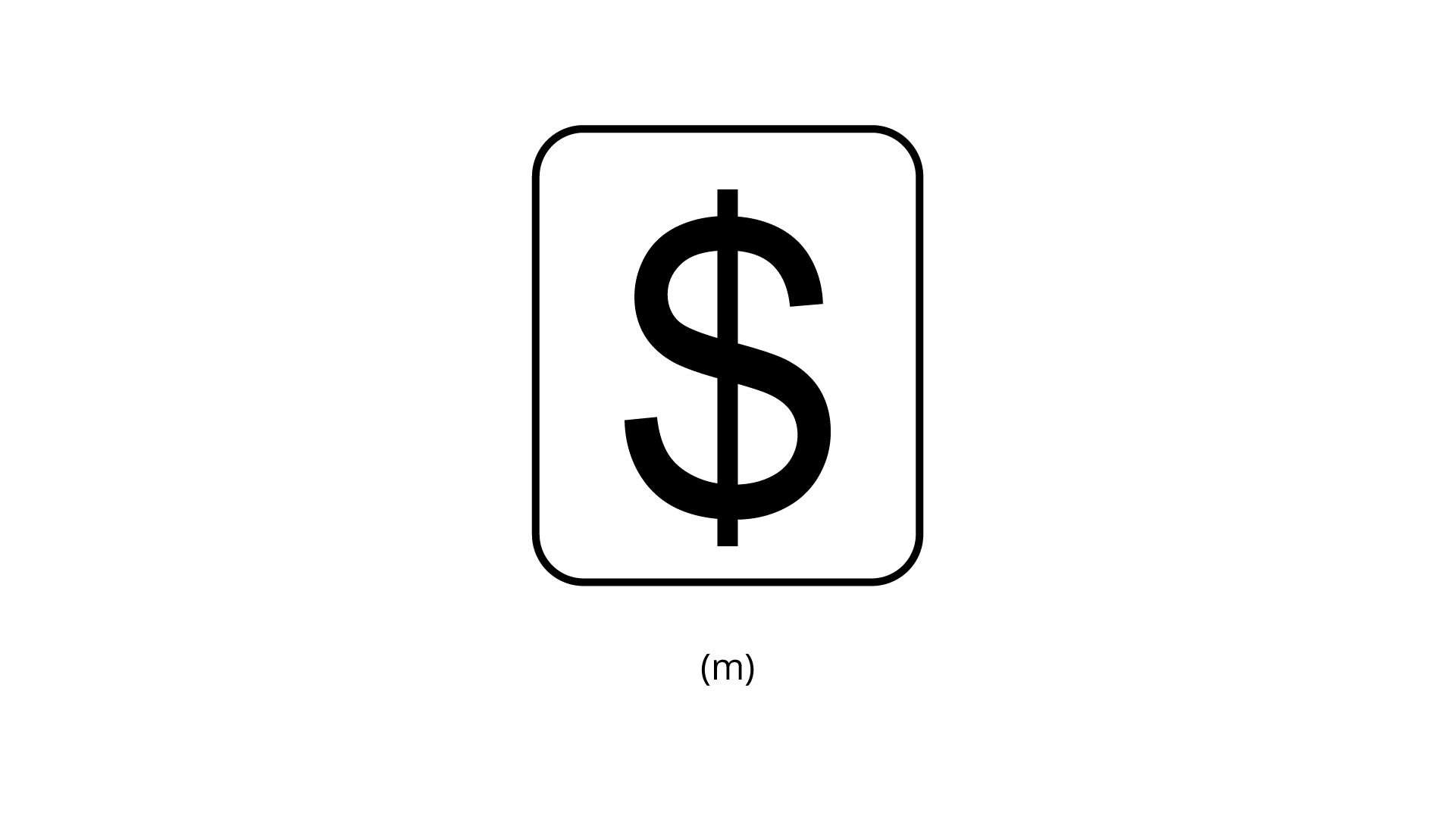
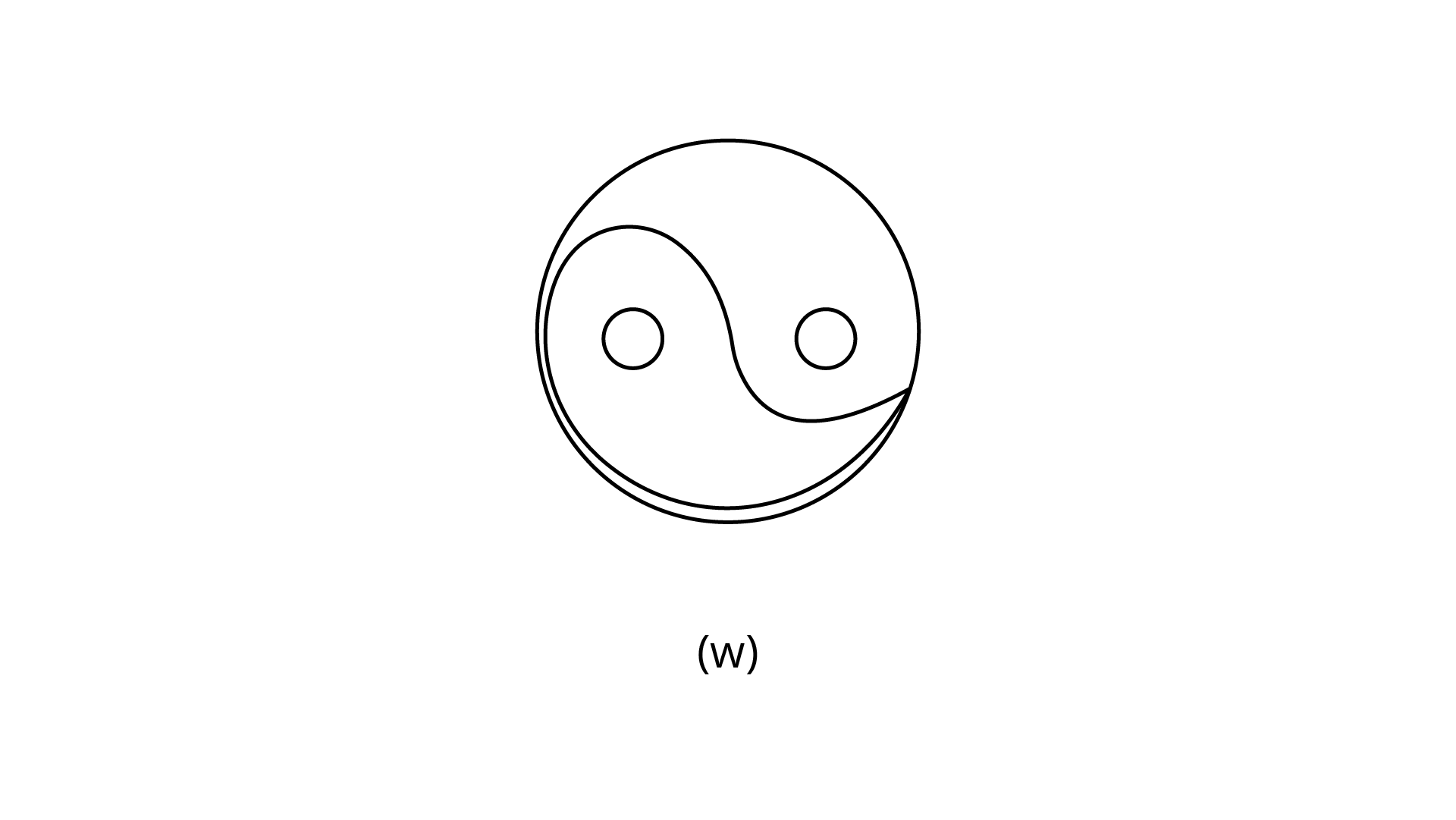
In each of the following figures, write the number of lines of symmetry and order of rotational symmetry.

{Hint: Consider these as 2-D figures not as 3-D objects.}


(a)


seo images

(b)


seo images

(c)


seo images

(d)


seo images


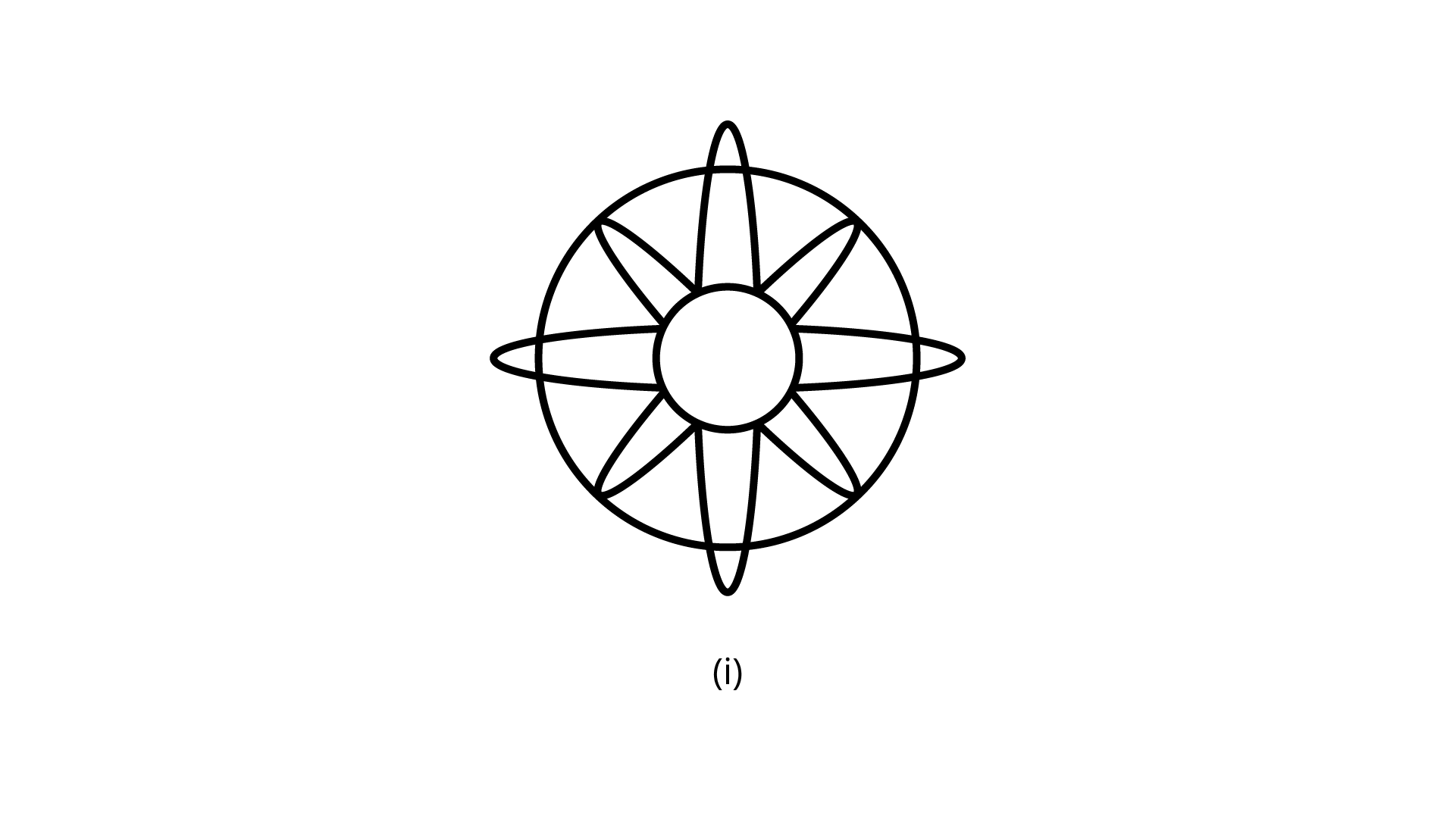
(i)


seo images

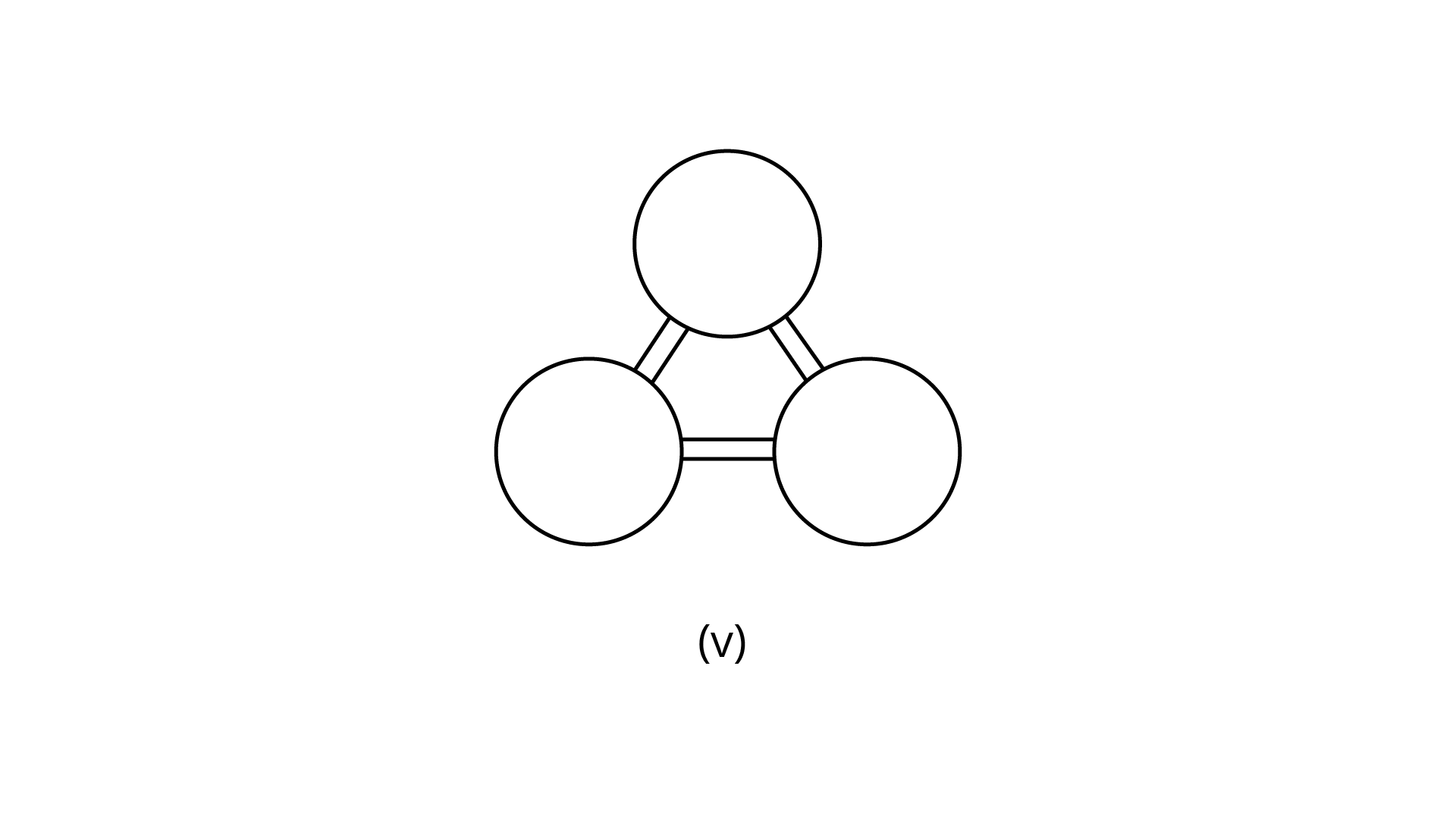
(v)


seo images
Show solutionHide solution
Worked solution

Ans: The number of lines of symmetry is $1$. 

The order of rotational symmetry is $1$.


Ans: The number of lines of symmetry is $1$. 

The order of rotational symmetry is $1$.


Ans: The number of lines of symmetry is $1$. 

The order of rotational symmetry is $1$.


Ans: The number of lines of symmetry is $2$. 

The order of rotational symmetry is $2$.


(e)
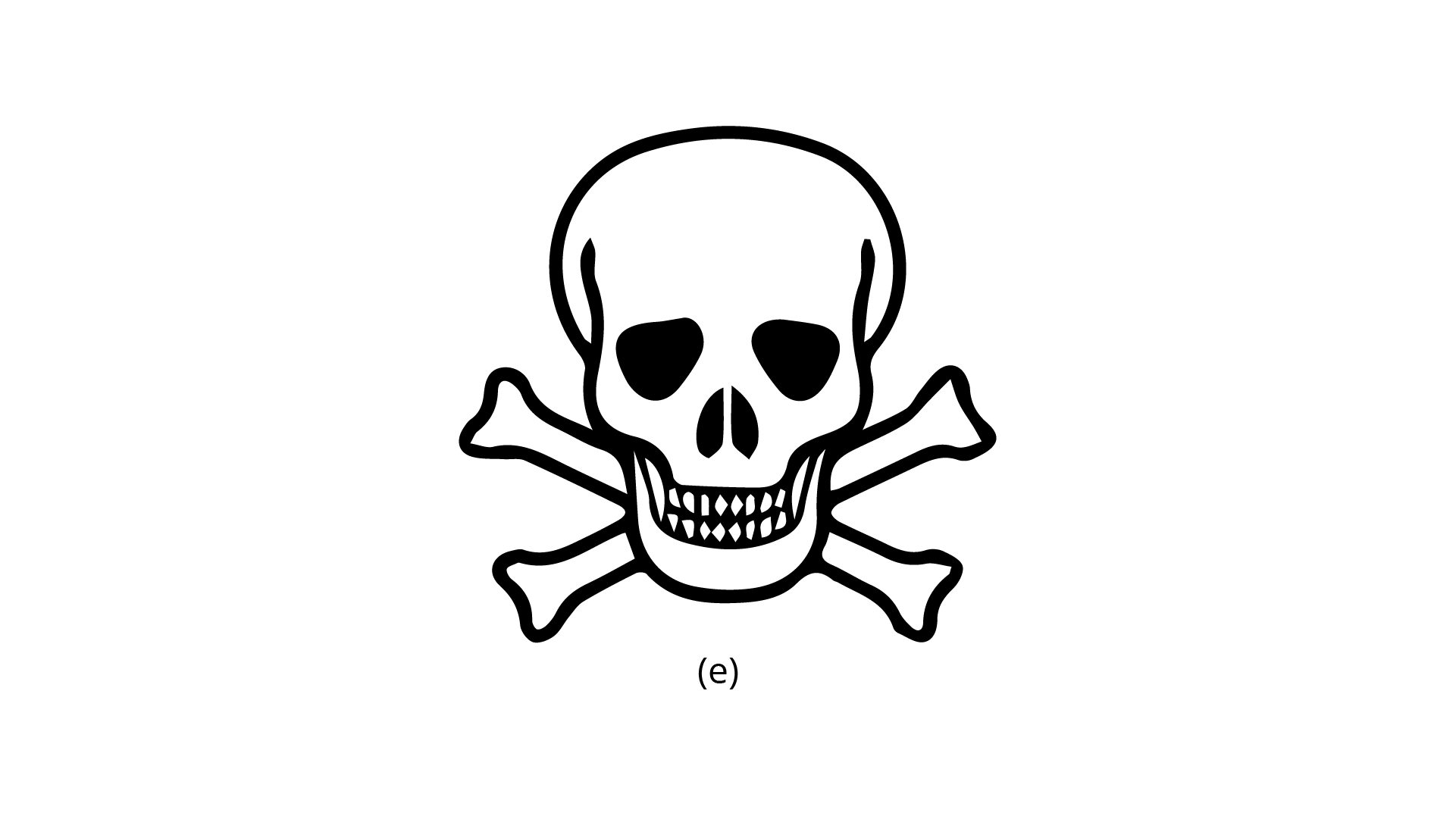

seo images

Ans: The number of lines of symmetry is $1$. 

The order of rotational symmetry is $1$.


(f)
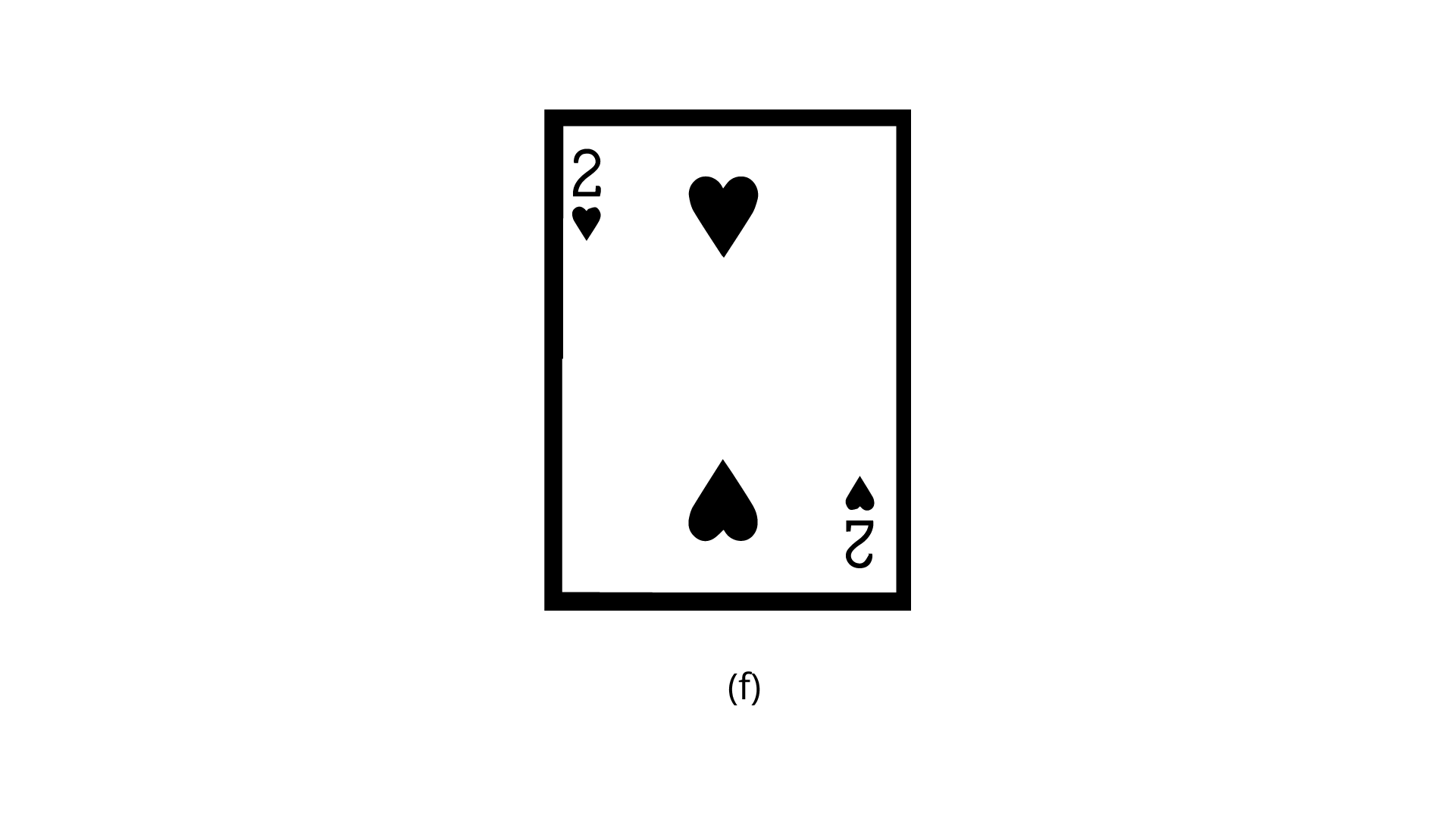

seo images

Ans: The number of lines of symmetry is $0$. 

The order of rotational symmetry is $1$.


(g)
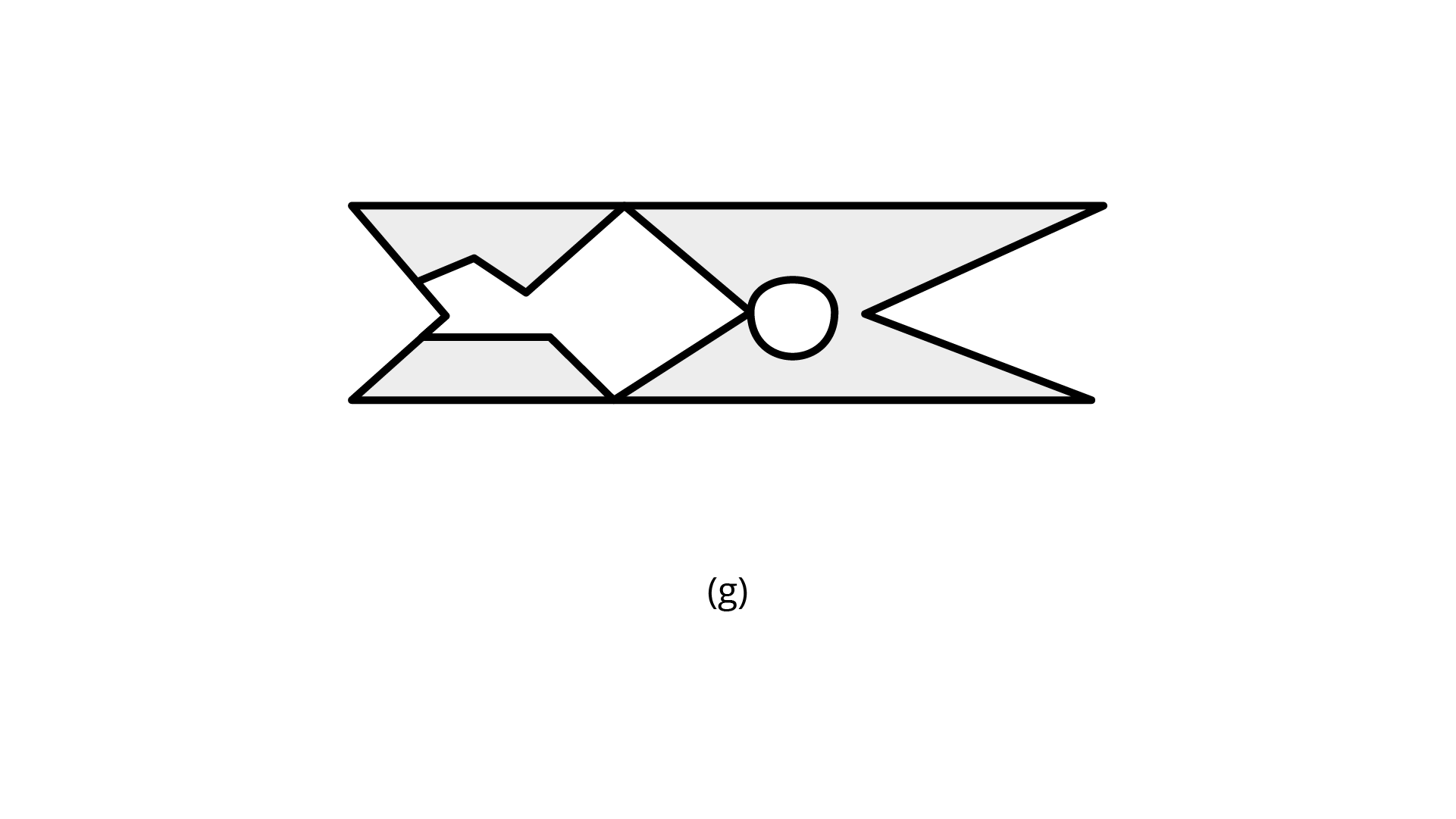

seo images

Ans: The number of lines of symmetry is $0$. 

The order of rotational symmetry is $1$.


(h)
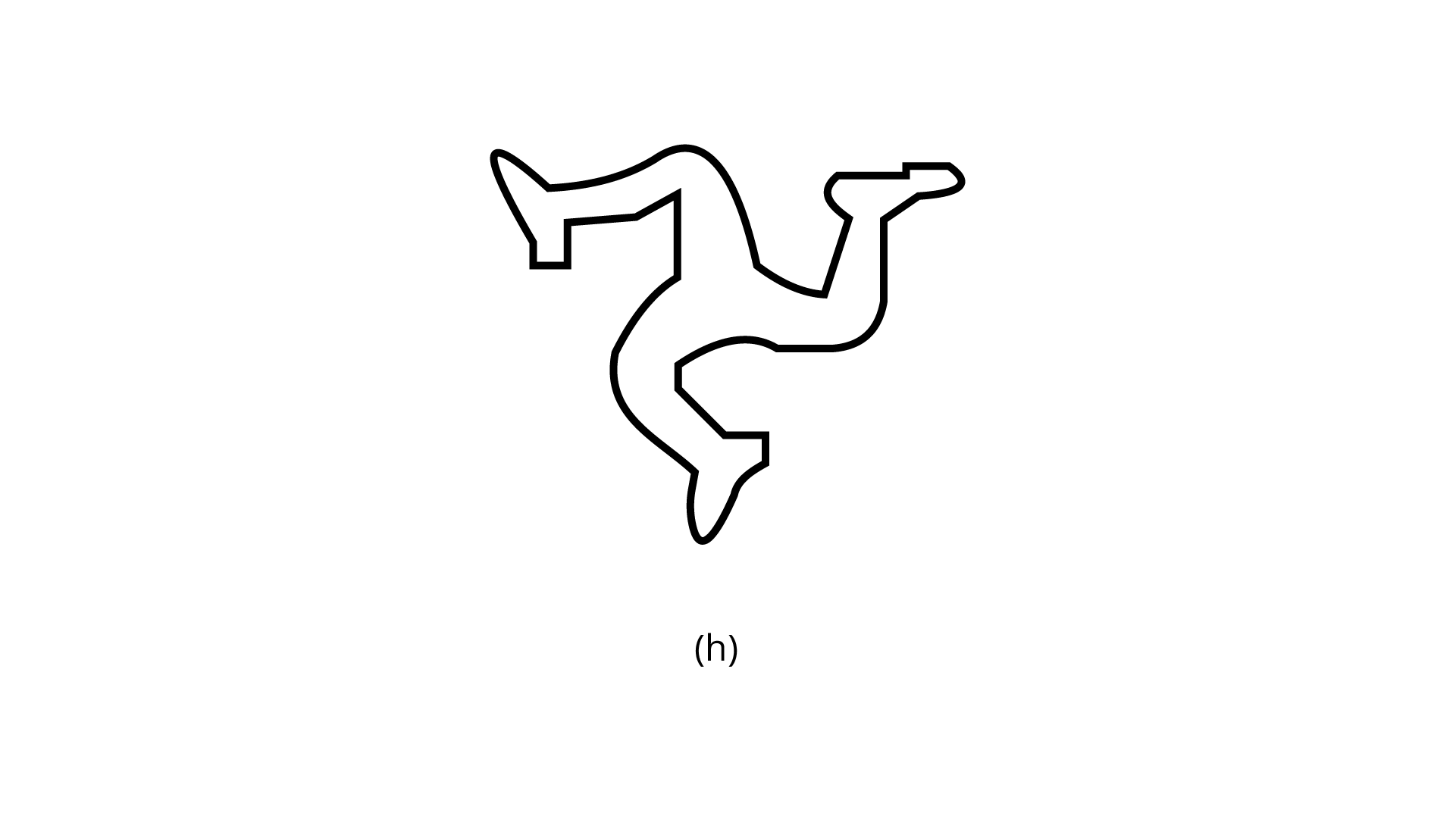

seo images

Ans: The number of lines of symmetry is $0$. 

The order of rotational symmetry is $3$.


Ans: The number of lines of symmetry is $4$. 

The order of rotational symmetry is $4$.


(j)

seo images

Ans: The number of lines of symmetry is $1$. 

The order of rotational symmetry is $1$.


(k)

seo images

Ans: The number of lines of symmetry is $0$. 

The order of rotational symmetry is $1$.


(l)

seo images

Ans: The number of lines of symmetry is $0$. 

The order of rotational symmetry is $1$.


(m)

seo images

Ans: The number of lines of symmetry is $0$. 

The order of rotational symmetry is $2$.


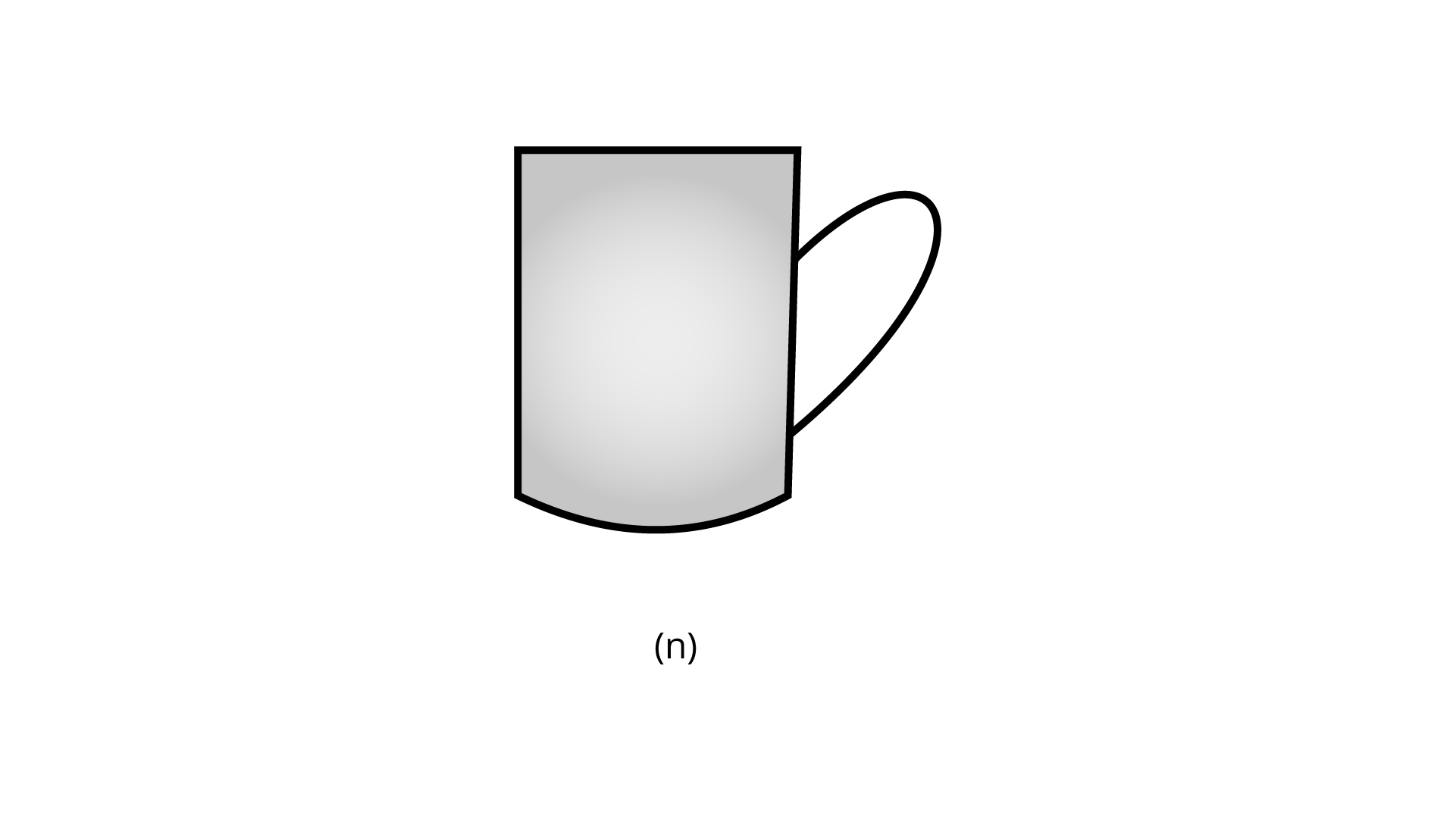
(n)

seo images

Ans: The number of lines of symmetry is $0$. 

The order of rotational symmetry is $1$.


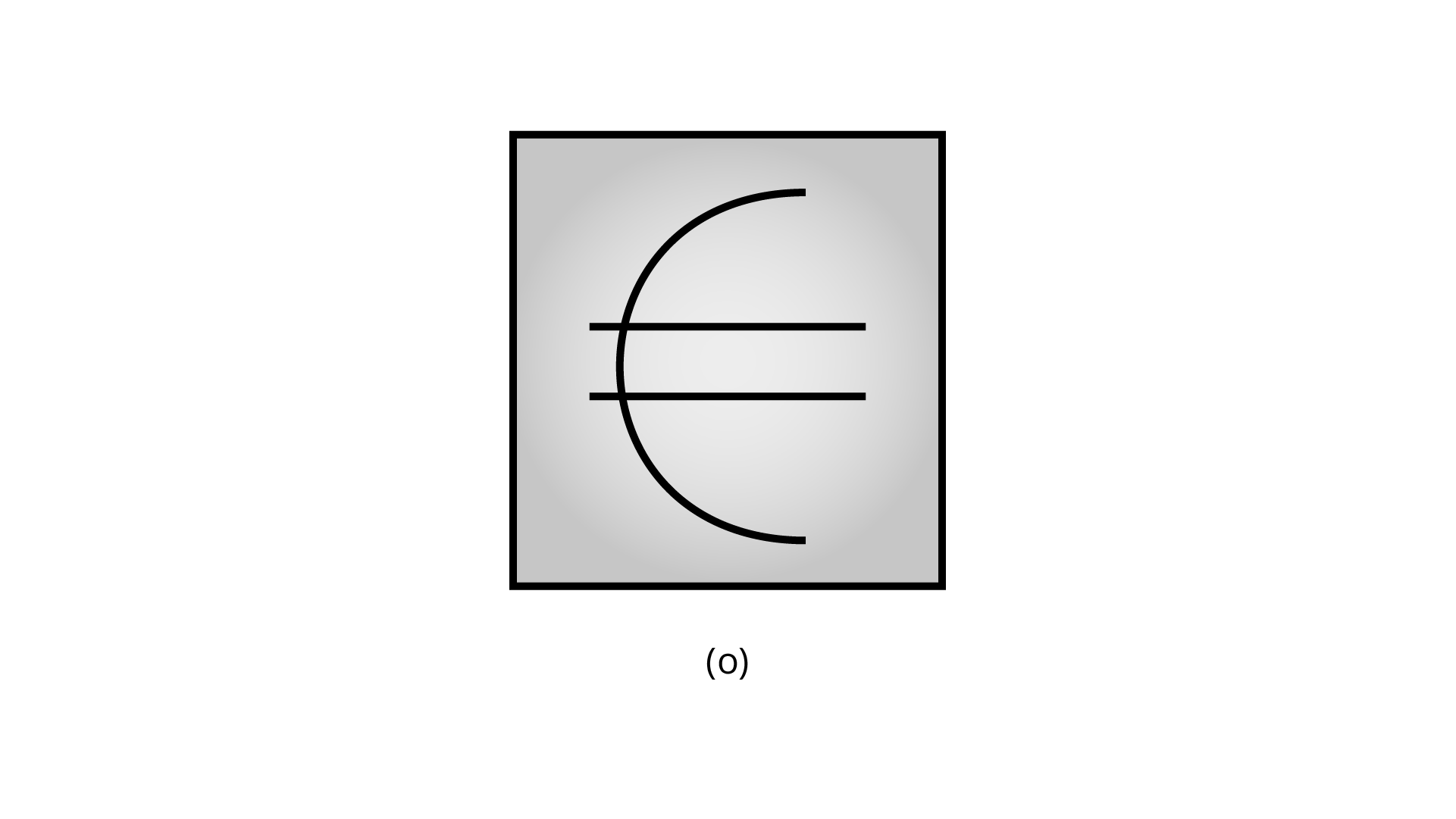
(o)

seo images

Ans:The number of lines of symmetry is $1$. 

The order of rotational symmetry is $1$.


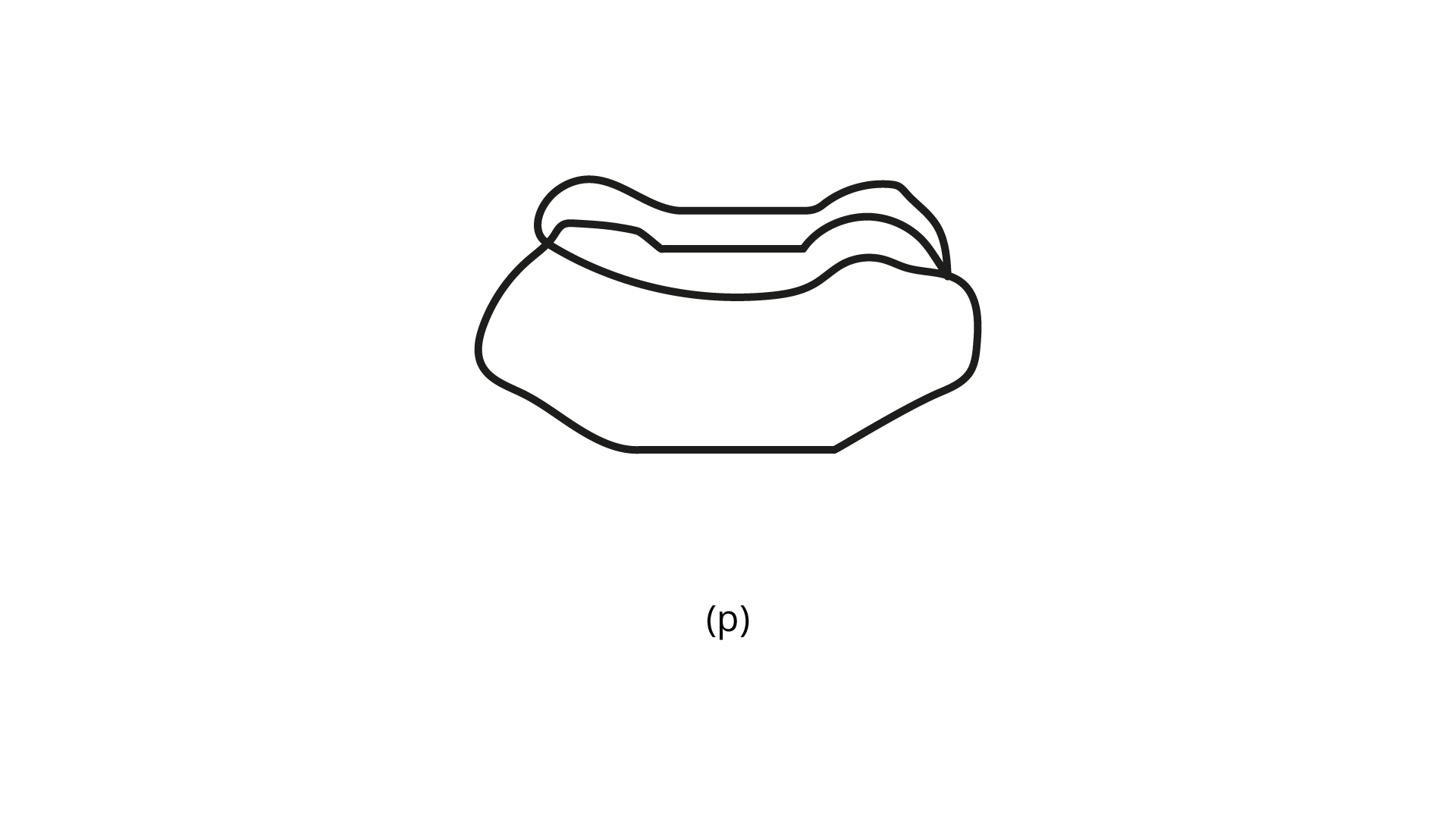
(p)

seo images

Ans: The number of lines of symmetry is $0$. 

The order of rotational symmetry is $1$.


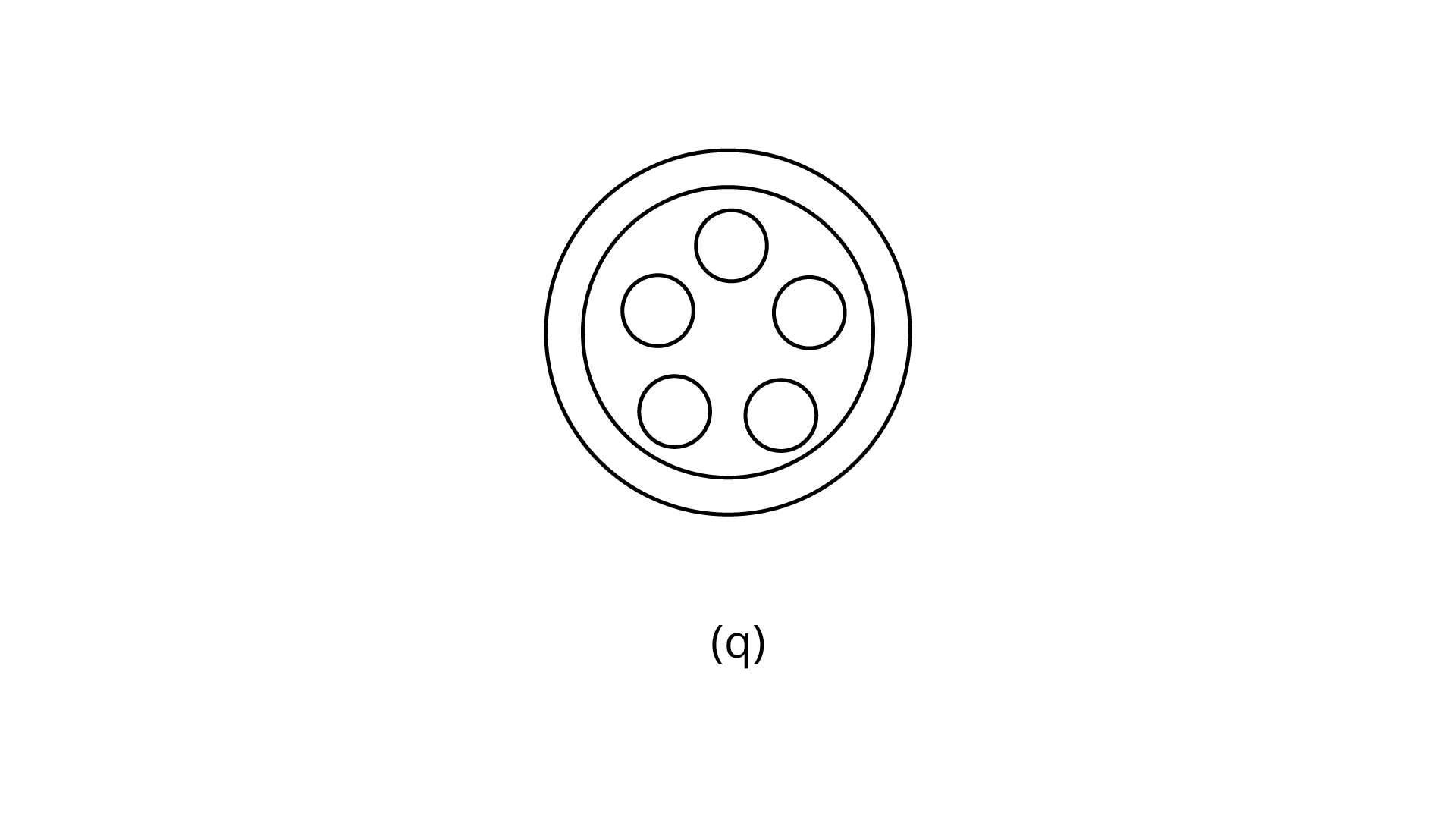
(q)

seo images

Ans: The number of lines of symmetry is $5$. 

The order of rotational symmetry is $5$.


(r)
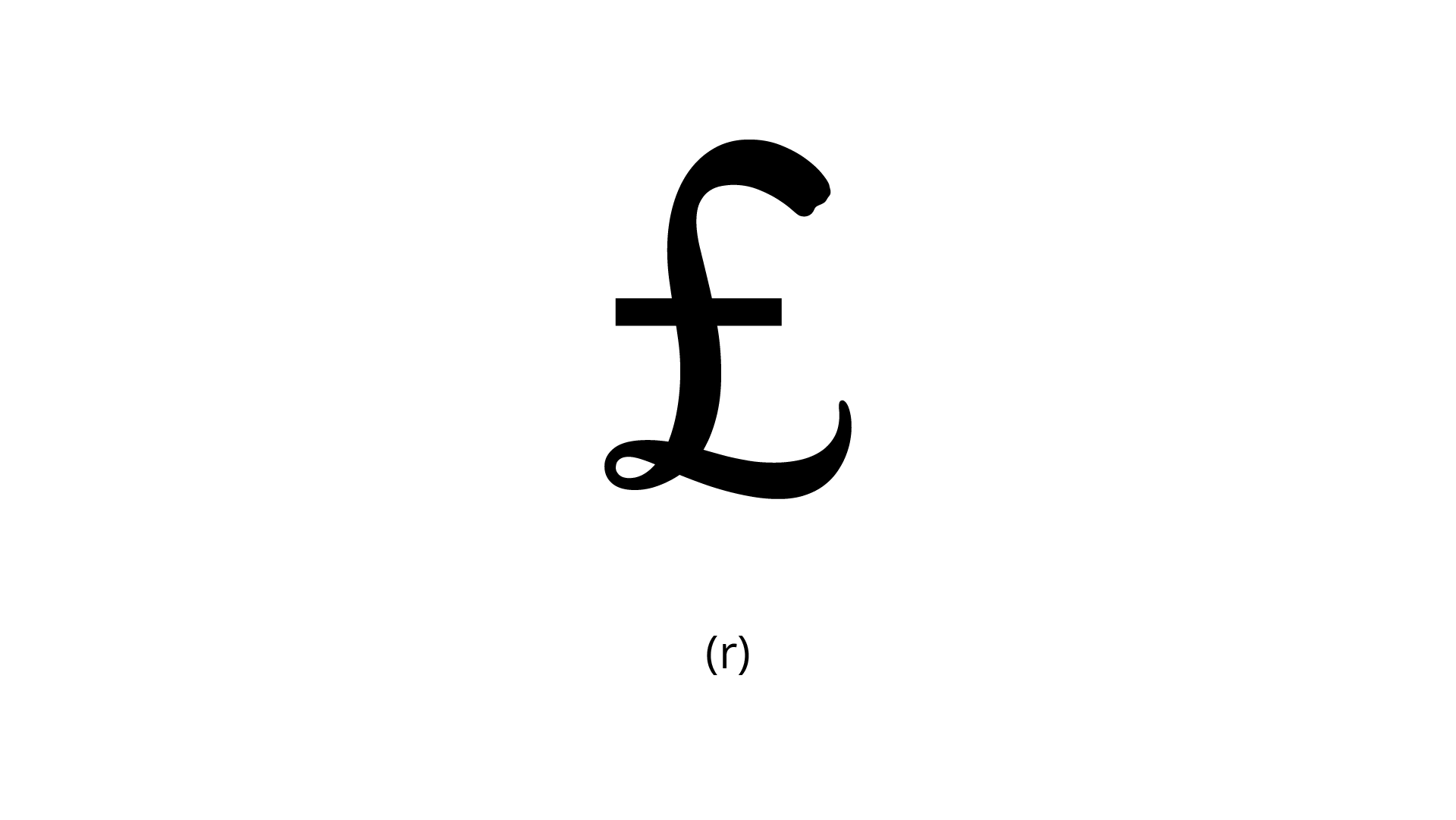

seo images

Ans: The number of lines of symmetry is $0$. 

The order of rotational symmetry is $1$.


(s)
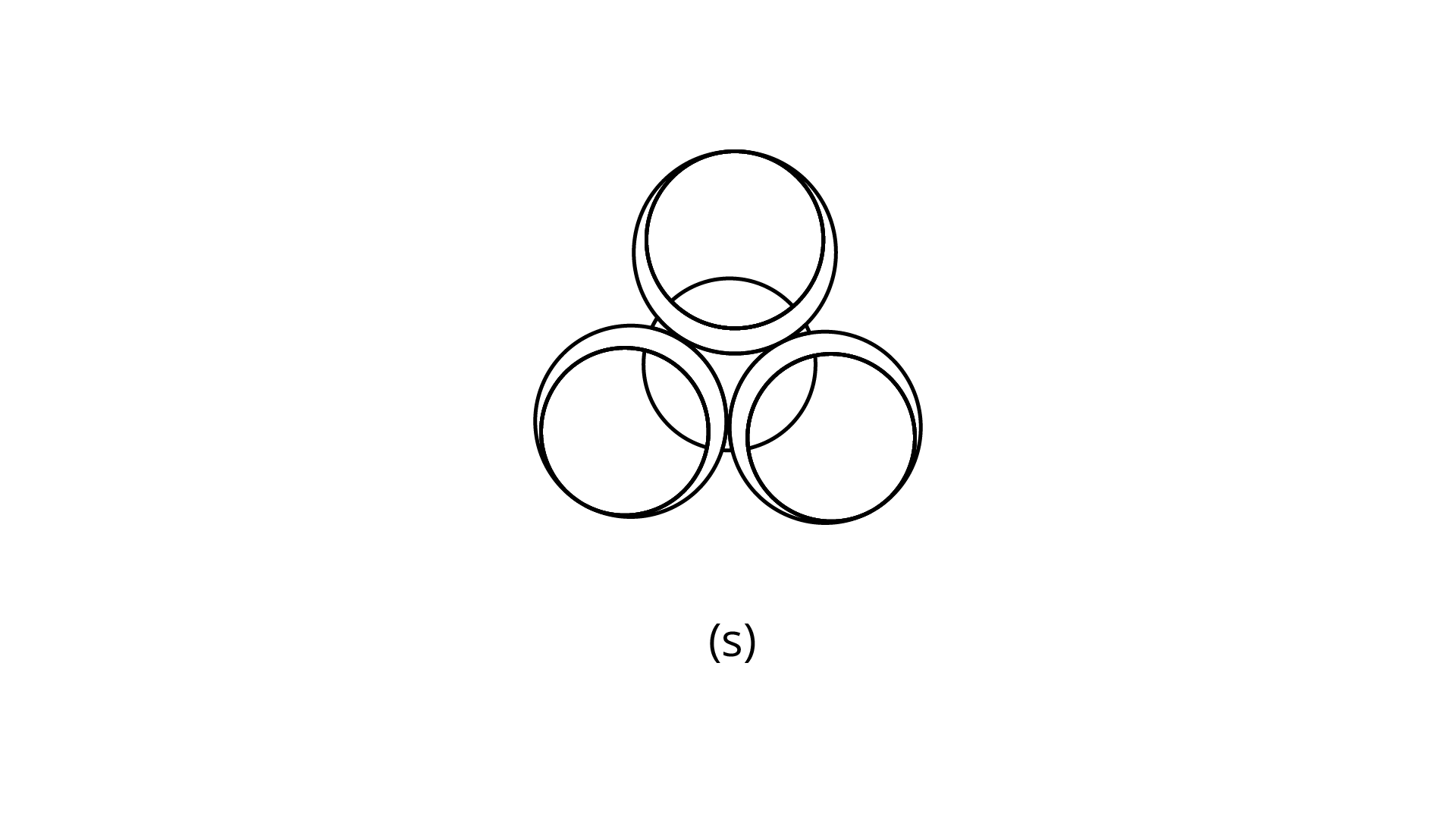

seo images

Ans: The number of lines of symmetry is $3$. 

The order of rotational symmetry is $3$.
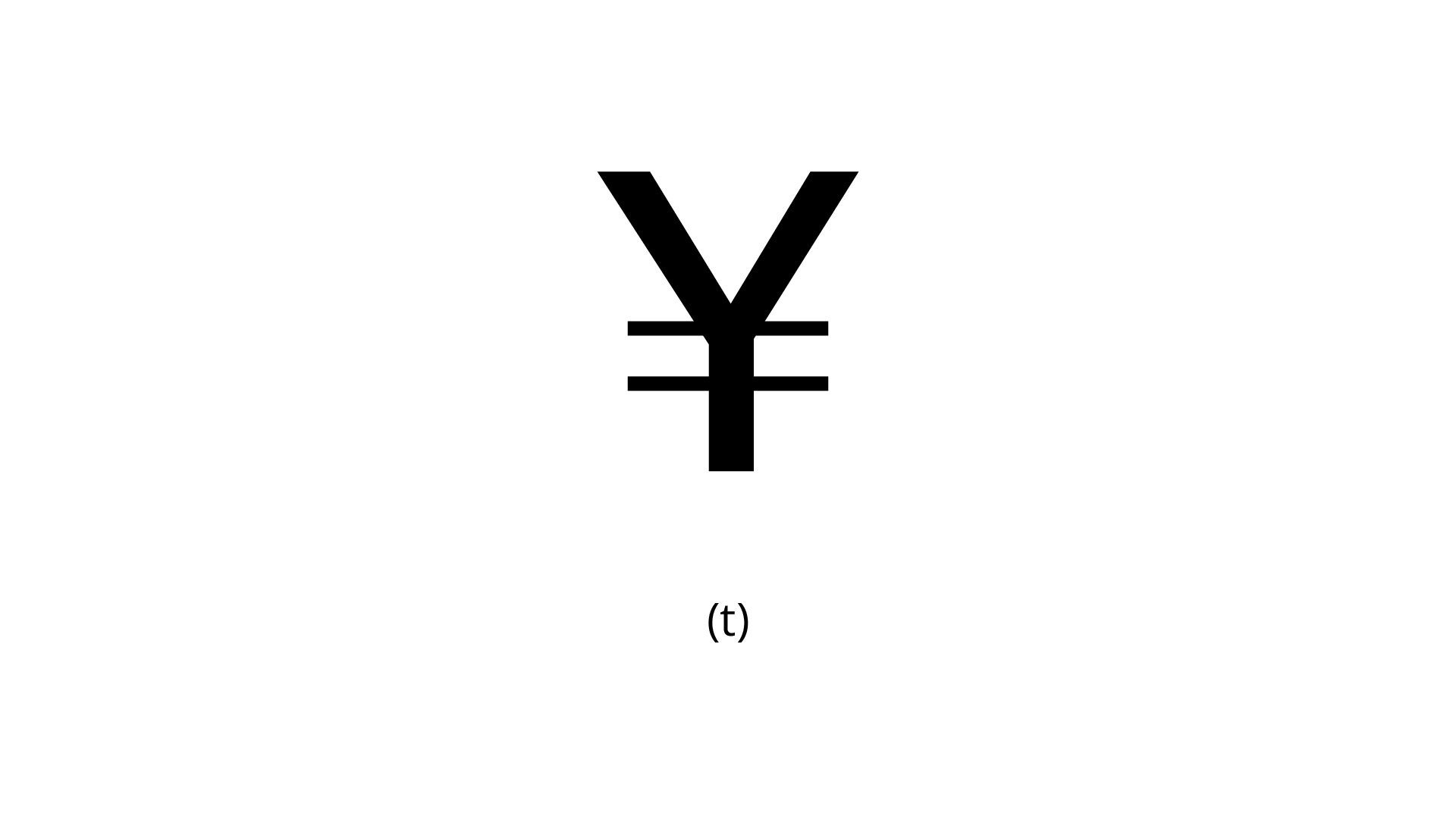

seo images

Ans: The number of lines of symmetry is $1$. 

The order of rotational symmetry is $1$.


(u)
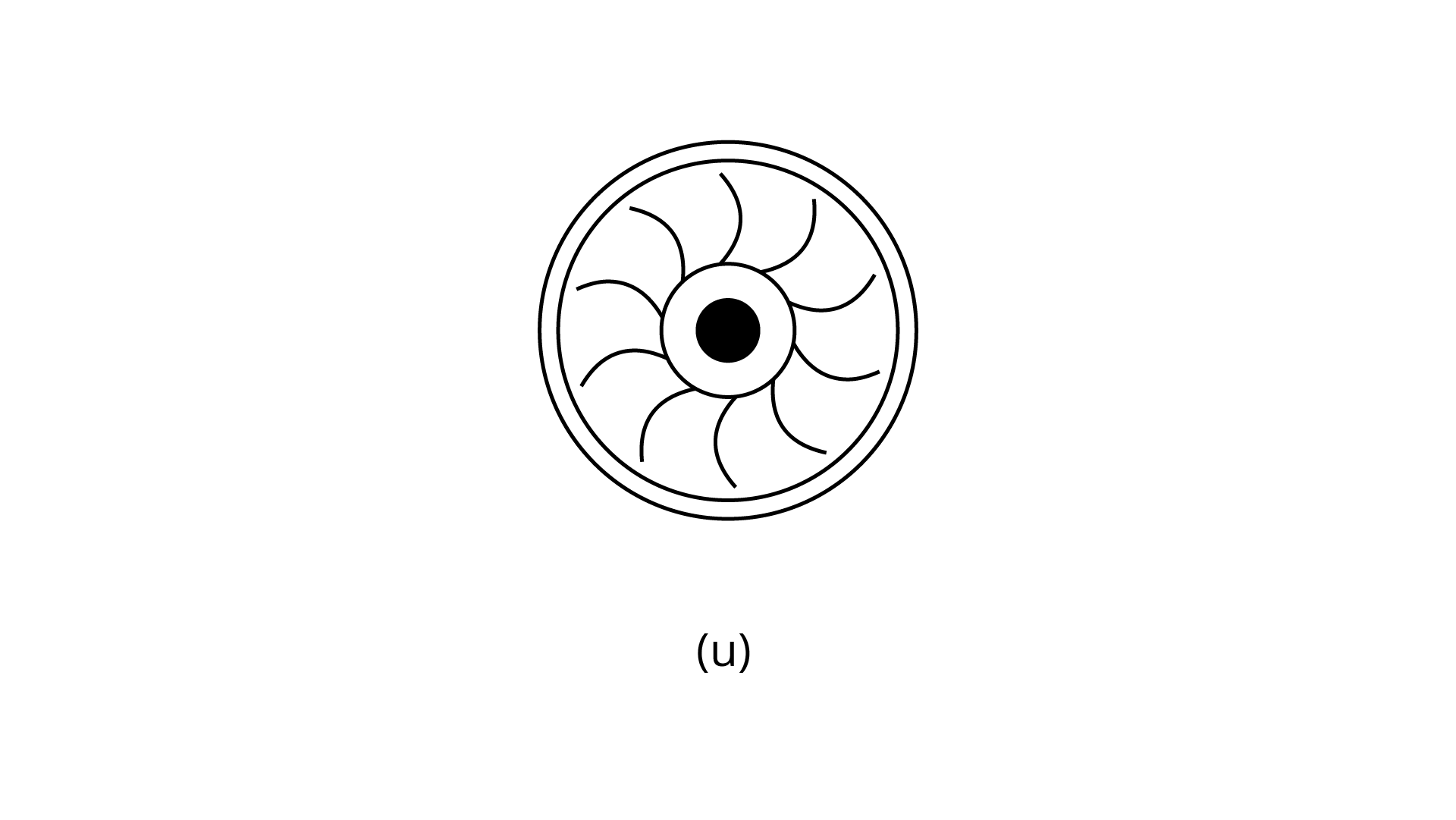

seo images

Ans: The number of lines of symmetry is $0$. 

The order of rotational symmetry is $10$.


Ans: The number of lines of symmetry is $3$. 

The order of rotational symmetry is $3$.


(w)

seo images

Ans: The number of lines of symmetry is $0$. 

The order of rotational symmetry is $1$.

Q104Written answer

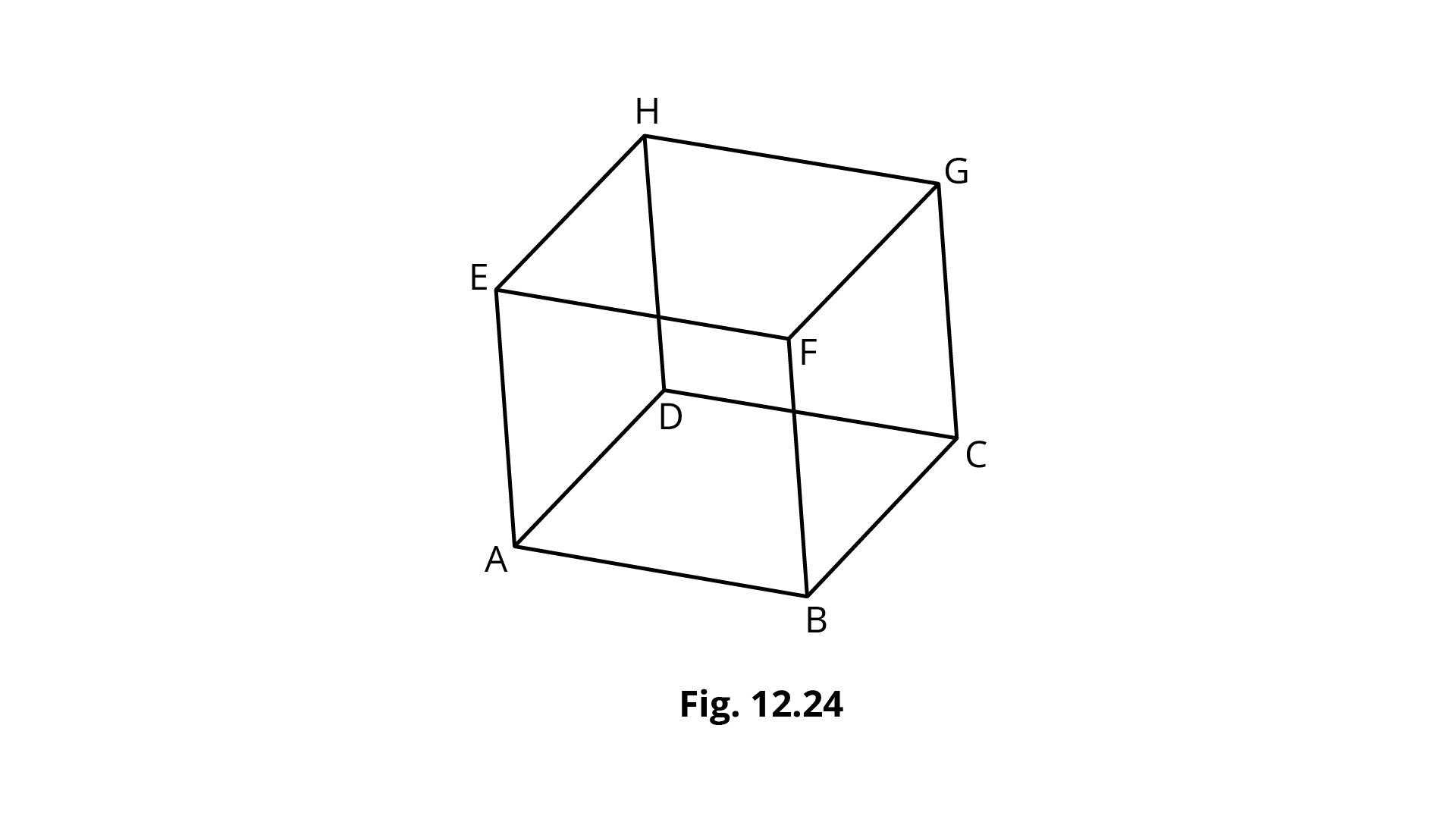
In the figure 12.24 of a cube, 


seo images

(i) Which edge is the intersection of faces ${\mathbf{{\rm E}FG{\rm H}}}$ and  ${\mathbf{EFBA}}$?

(ii) Which faces intersect at the edge ${\mathbf{FB}}$?

(iii) Which three faces form the vertex ${\mathbf{A}}$?

(iv) Which vertex is formed by the faces ${\mathbf{ABCD,ADHE}}$ and ${\mathbf{CDHG?}}$

(v) Give all the edges that are parallel to edge ${\mathbf{AB}}$.

vi) Give the edges that are neither parallel nor perpendicular to edge ${\mathbf{BC}}$.

(vii) Give all the edges that are perpendicular to the edge ${\mathbf{AB}}$.

(viii) Give four vertices that do not all lie in one plane.

Show solutionHide solution
Worked solution

Ans: From the given figure, we can observe that ${\text{EF}}$ is the intersection of faces ${\text{EFGH}}$ and ${\text{EFBA}}{\text{.}}$


Ans: From the given figure, we can observe that faces ${\text{EFBA}}$ and ${\text{FBCG}}$ intersect at edge ${\text{FB}}{\text{.}}$


Ans:Faces ${\text{ABFE}},{\text{ADHE}}$ and ${\text{ABCD}}$ form the vertex ${\text{A}}$.


Ans: Vertex ${\text{D}}$ is formed by the faces ${\text{ABCD}}$, ${\text{CDHG}}$ and ${\text{ADHE}}$.


Ans: The edges parallel to edge ${\text{AB}}$ are ${\text{CD}},{\text{EF}}$ and ${\text{HG}}$.


Ans: From the given figure, we can observe that edges ${\text{AE}},{\text{EF}},{\text{GH}}$ and ${\text{HD}}$ are neither parallel nor perpendicular to edge ${\text{BC}}$.


Ans: From the given figure, we can observe that edges ${\text{AE}},{\text{BF}},{\text{AD}}$ and ${\text{BC}}$ are perpendicular to edge ${\text{AB}}$.


Ans: Vertices ${\text{A}},{\text{B}},{\text{G}}$ and ${\text{H}}$ do not lie in one plane.


Q105Written answer

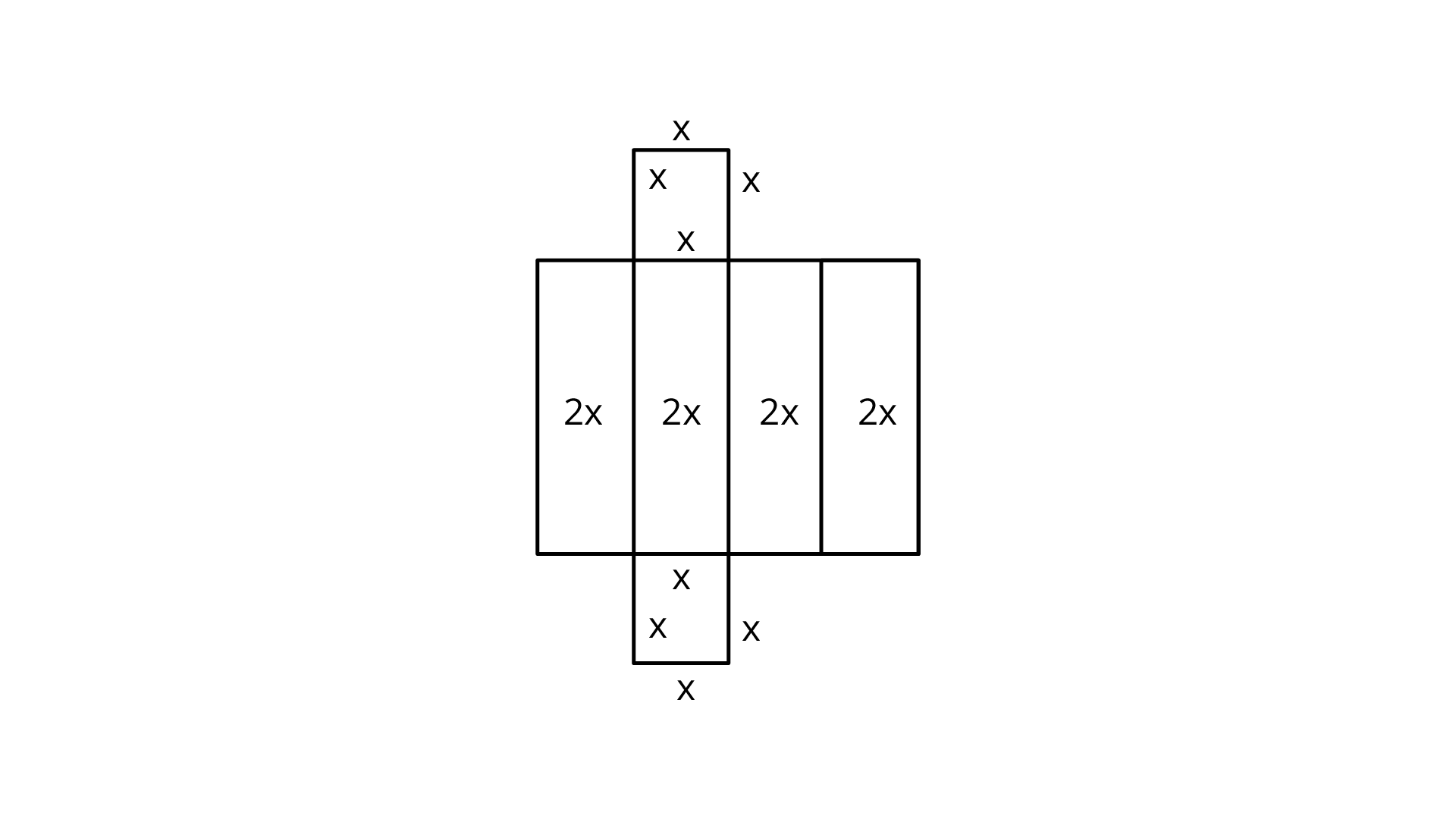
Draw a net of a cuboid having same breadth and height, but length double the breadth.

Show solutionHide solution
Worked solution

Ans: Let $x$ be the breadth and height.

Then, length is $2x.$

Required net of a cuboid will be,


seo images
Q106Written answer

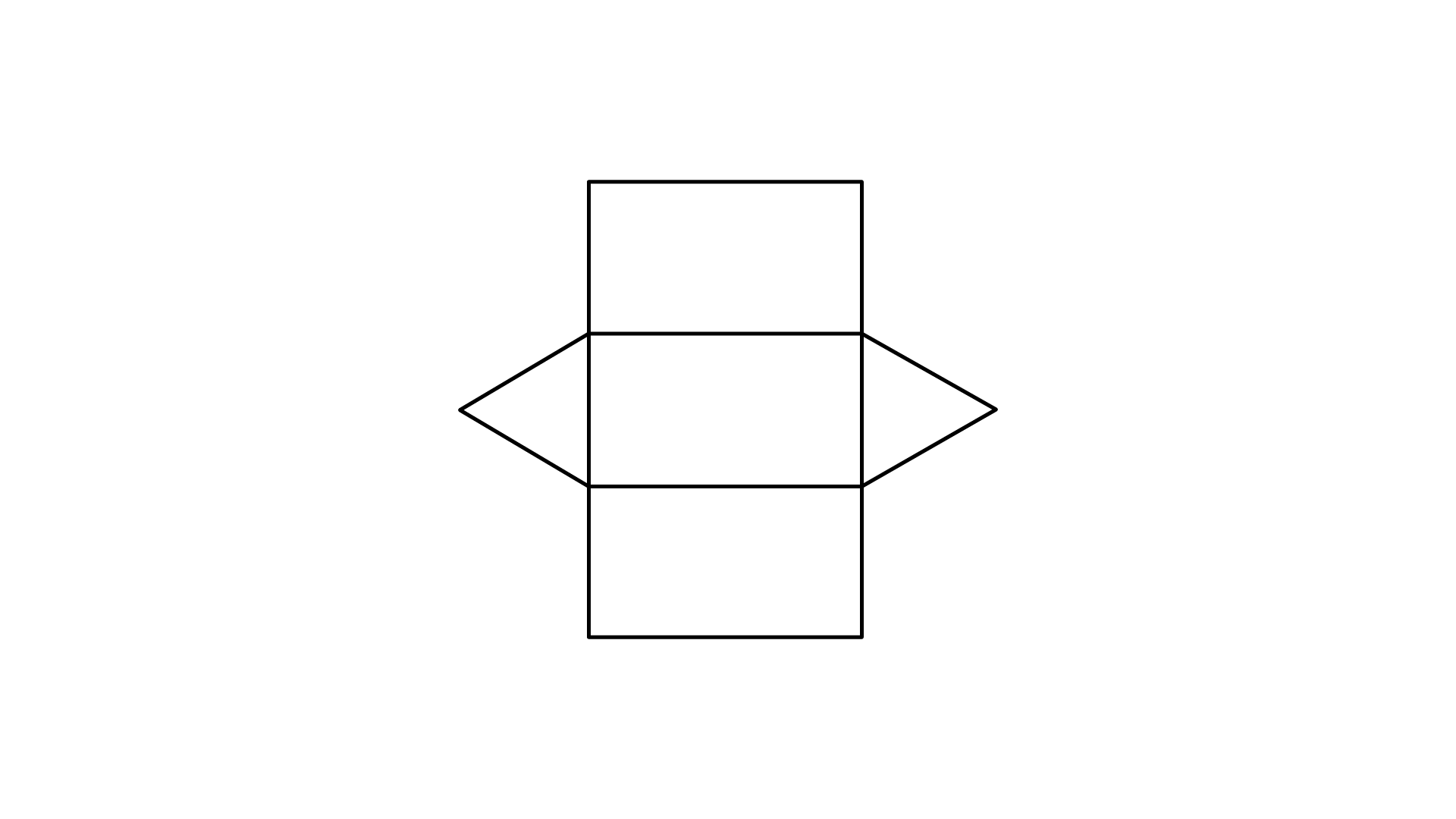
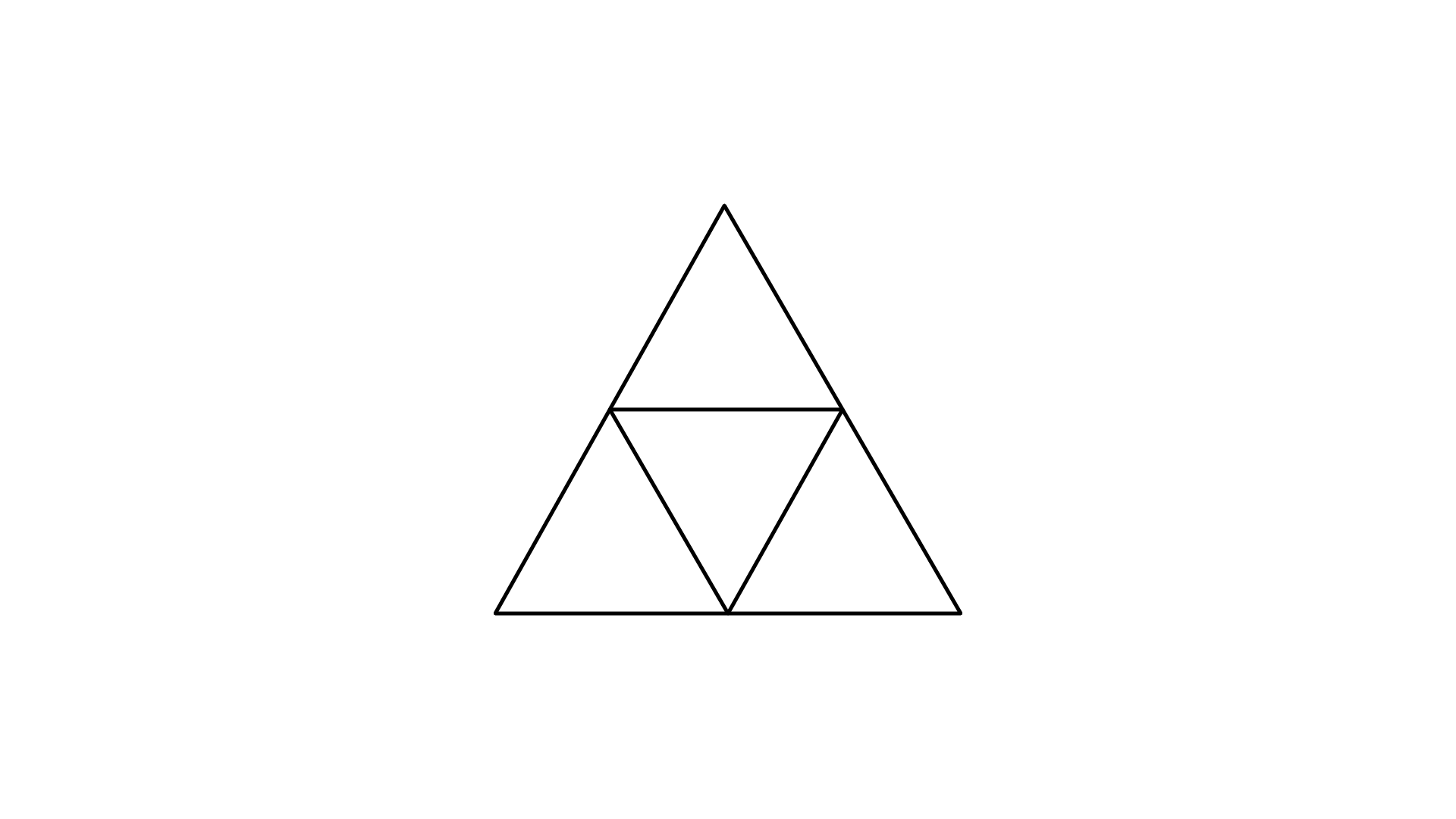
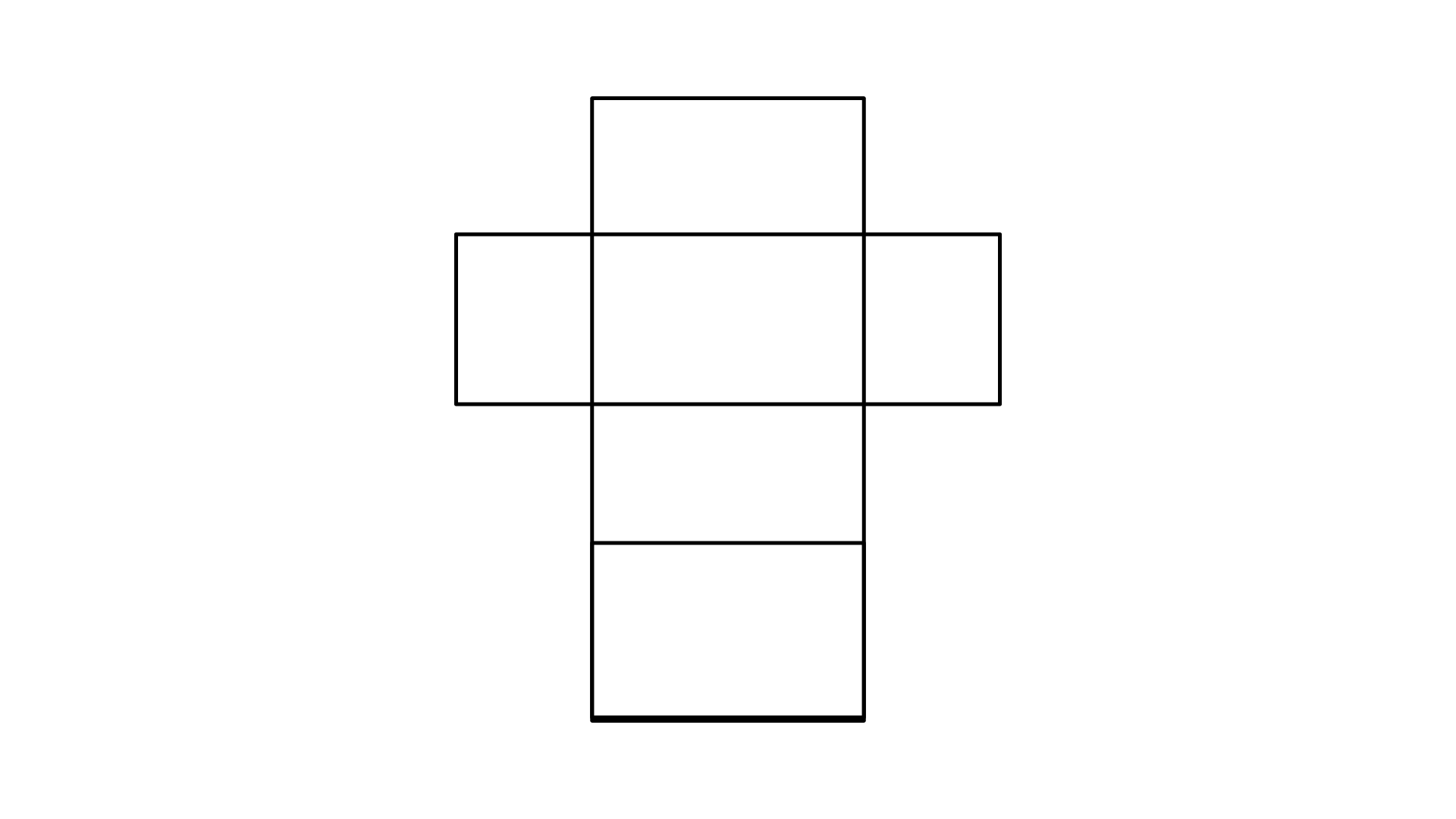
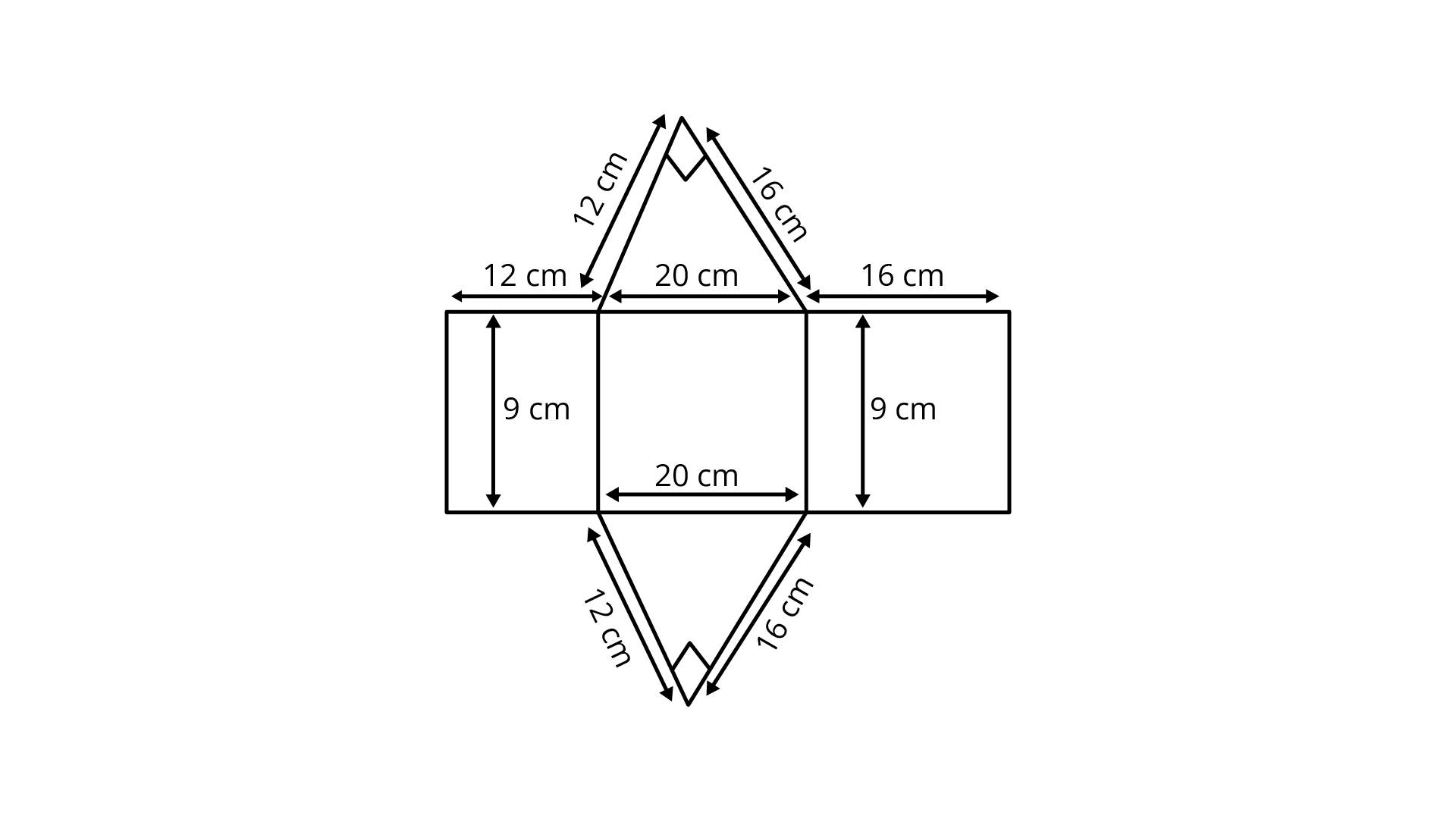
Draw the nets of the following: 

(i) Triangular prism 

(ii) Tetrahedron 

(iii) Cuboid

Show solutionHide solution
Worked solution

Ans:


seo images


Ans:


seo images


Ans:


seo images
Q107Written answer

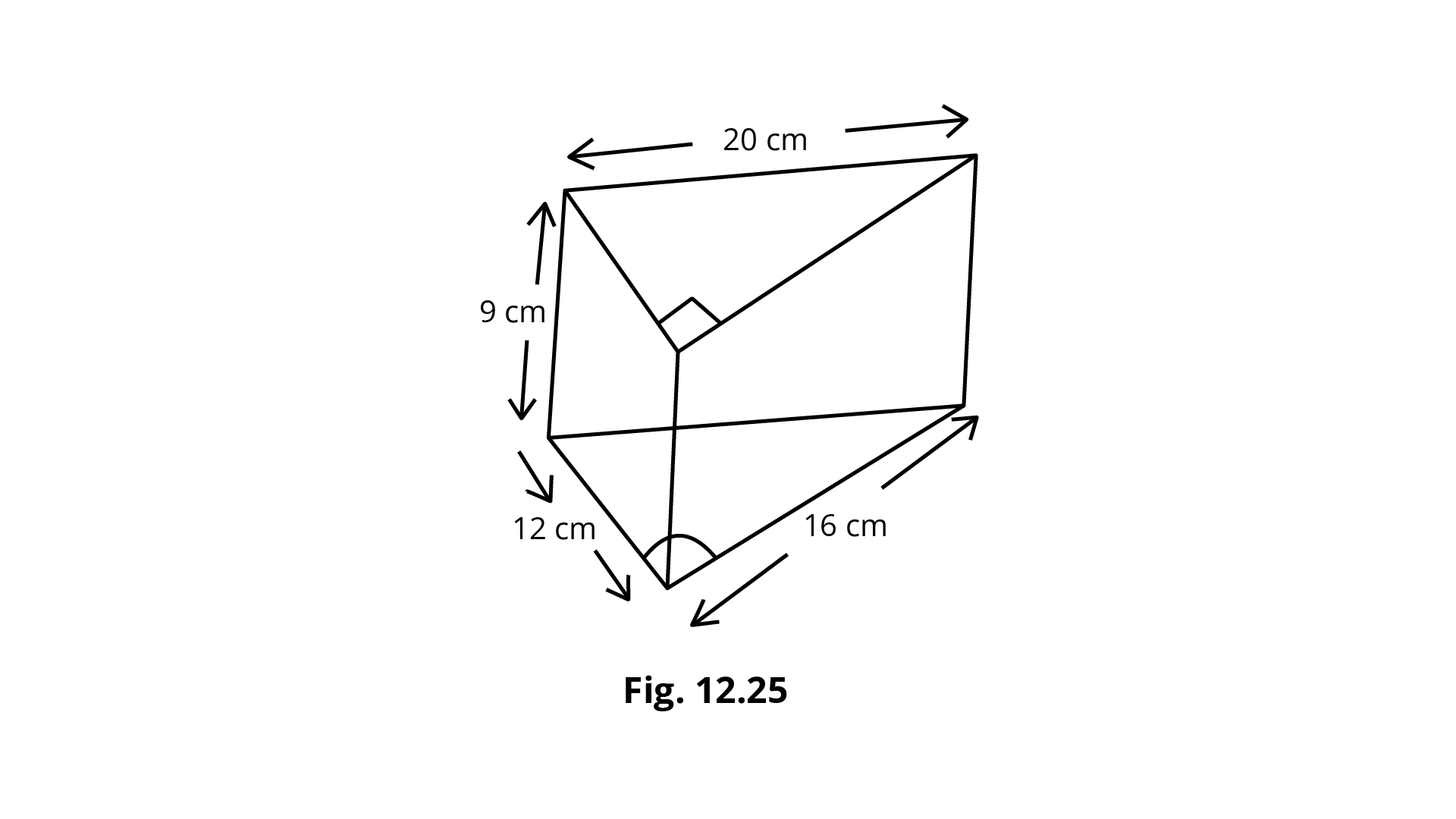
Draw a net of the solid given in the figure 12.25:


seo images
Show solutionHide solution
Worked solution

Ans: The net of the solid given in the figure is,


seo images
Q108Written answer

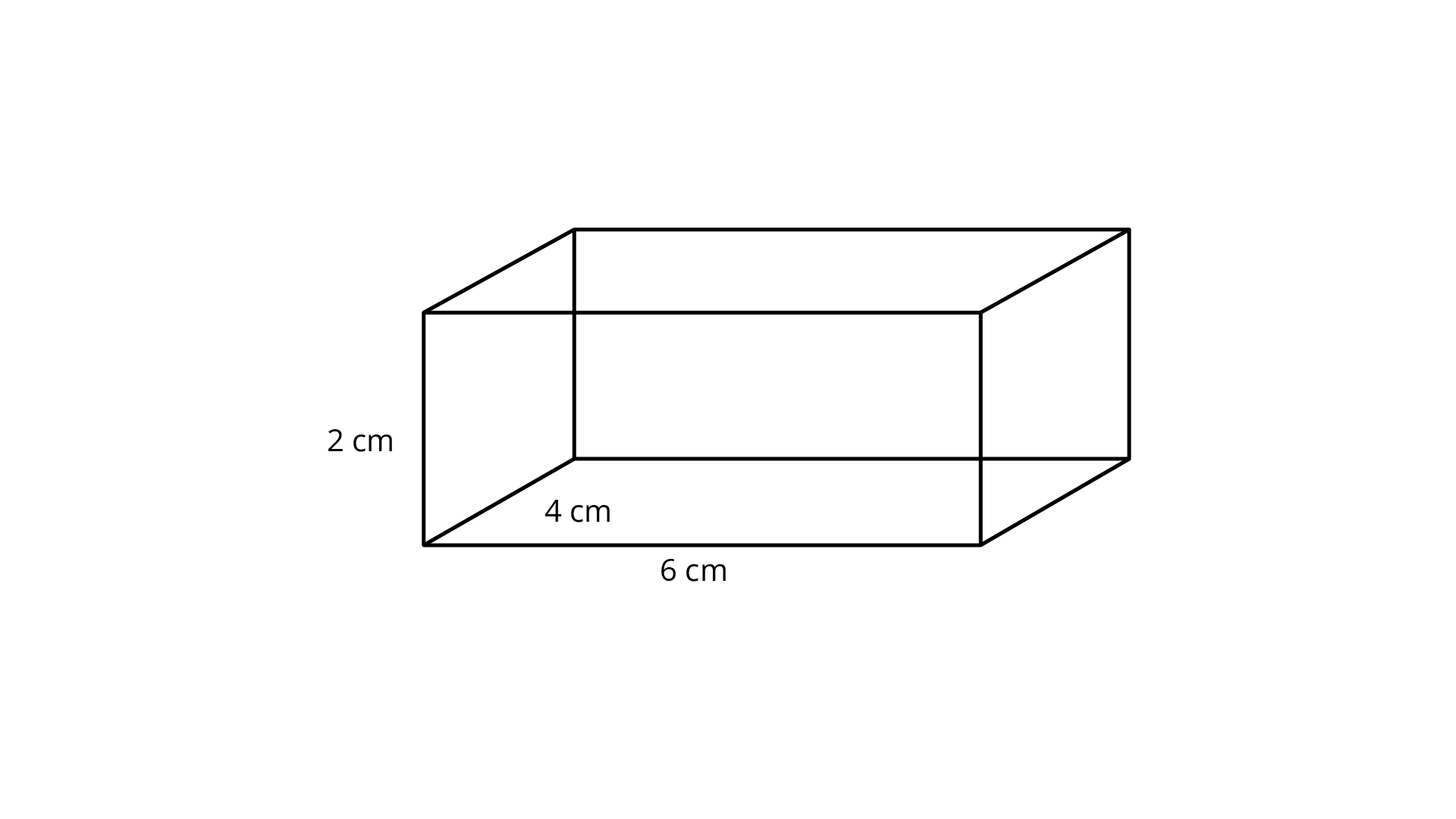
Draw an isometric view of a cuboid ${\mathbf{6 cm  \times  4 cm  \times  2 cm}}{\mathbf{.}}$

Show solutionHide solution
Worked solution

Ans:The isometric view of a cuboid ${6 cm  \times  4 cm  \times  2 cm}$ is,


seo images


Q109Written answer

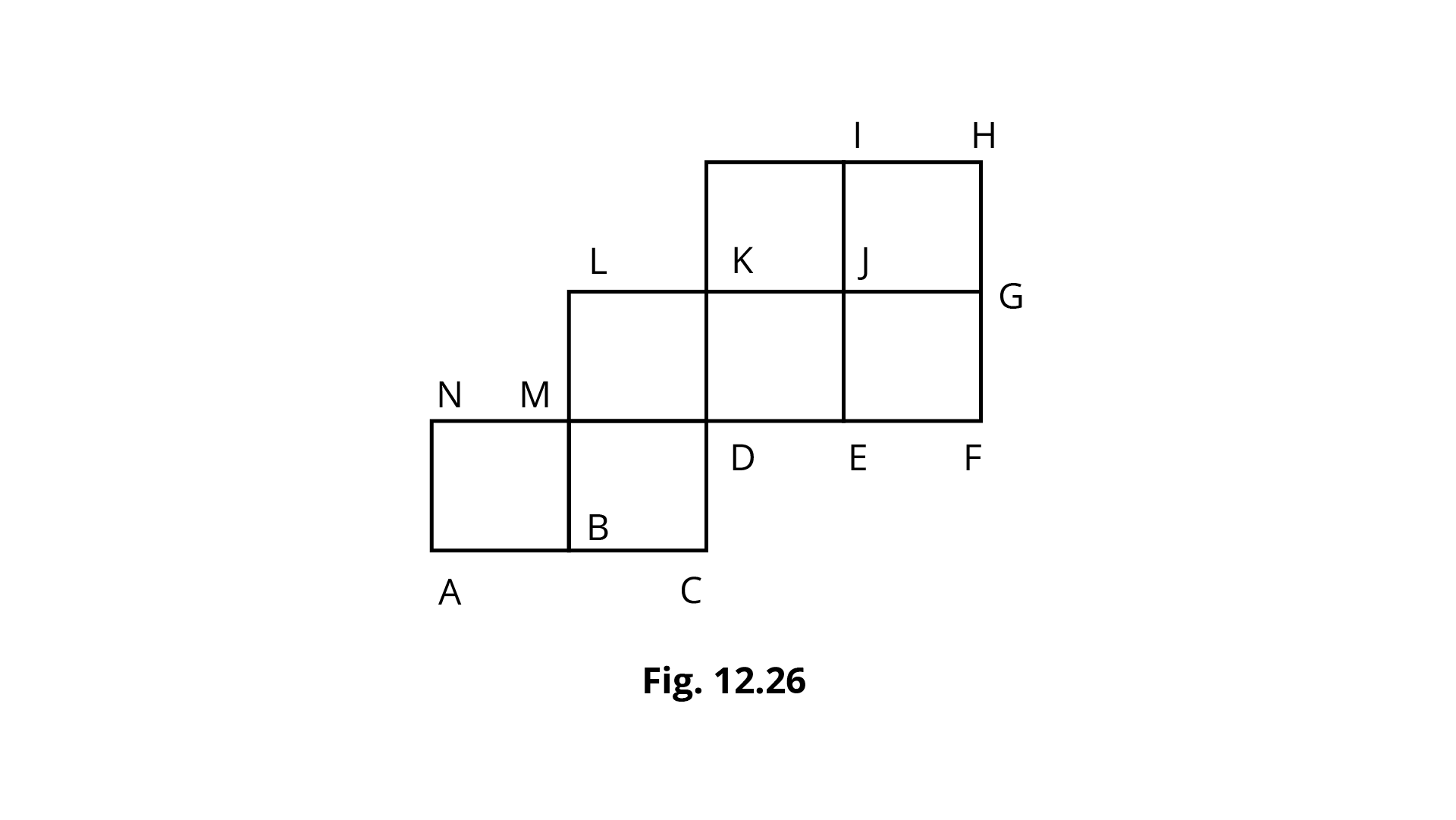
The net given below in Fig. can be used to make a cube. 


seo images

(i) Which edge meets ${\mathbf{AN}}$? 

(ii) Which edge meets ${\mathbf{DE}}$?

Show solutionHide solution
Worked solution

Ans: The given net of a cube shows that edge ${\text{GH}}$ meets edge ${\text{AN}}$.


Ans: The given net of a cube shows that edge ${\text{DC}}$ meets edge ${\text{DE}}$.


Q110Written answer

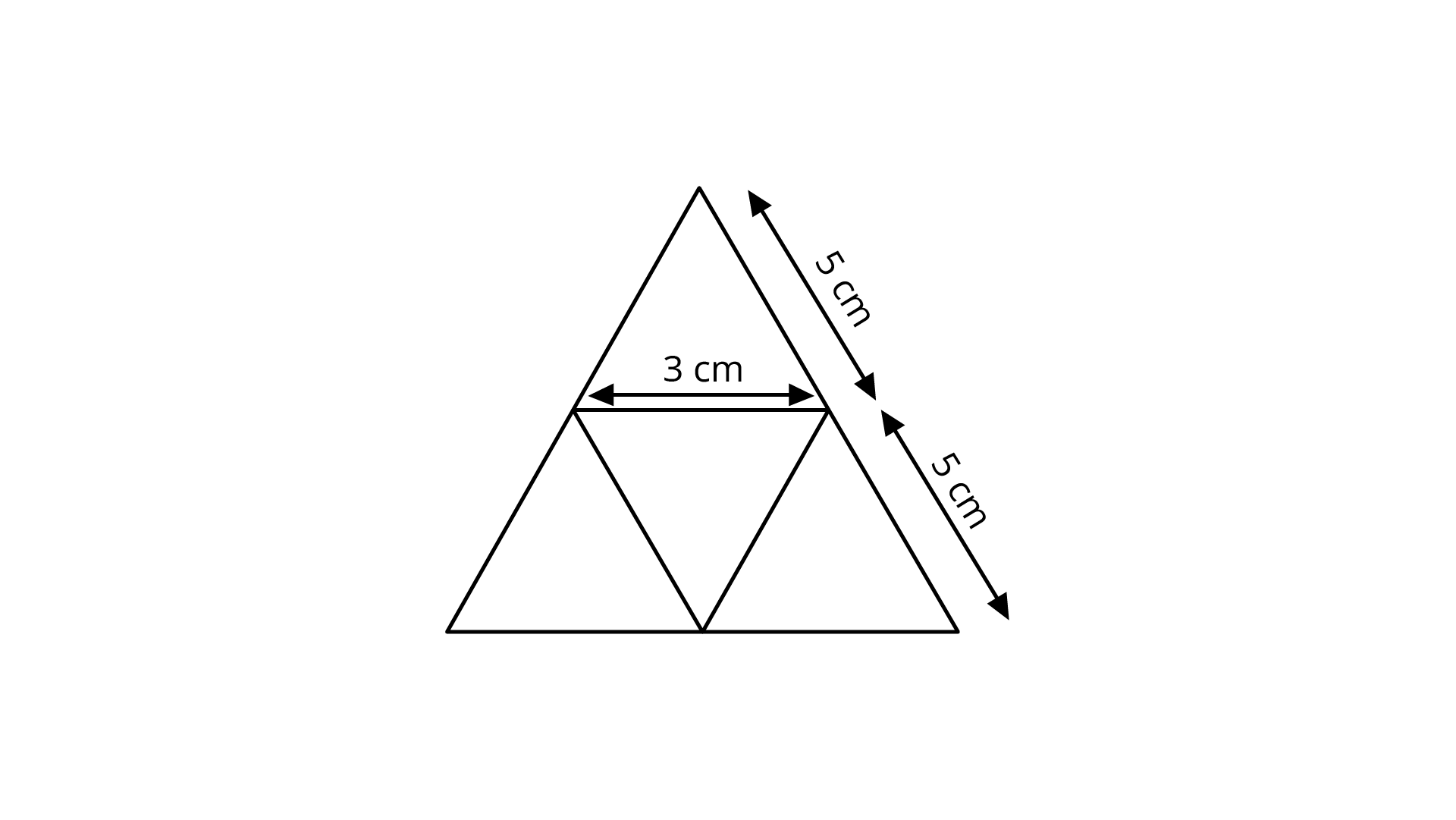
Draw the net of a triangular pyramid with base as equilateral triangle of side ${\mathbf{3 cm}}$ and slant edges ${\mathbf{5 cm}}$.

Show solutionHide solution
Worked solution

Ans: The net of such triangular pyramid will be,


seo images