My Cart
Your Cart 0

    Your cart is empty.

  • Total (Amount) ₹0.00
NCERT Exemplar · Class 12 · Biology

Chapter 1: Reproduction in Organisms

Practice each question, then open the answer or worked solution.

Very Short Answer Questions

15 questions
Q11Written answer

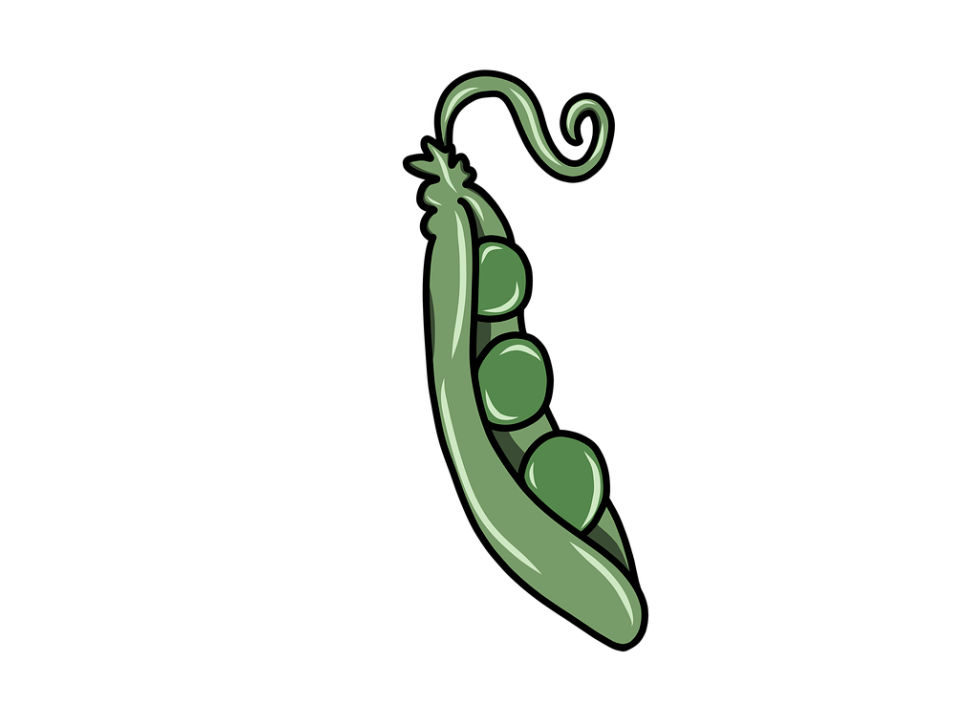
In the figure given below, mark the ovule and pericarp.

seo images


Show solutionHide solution
Worked solution

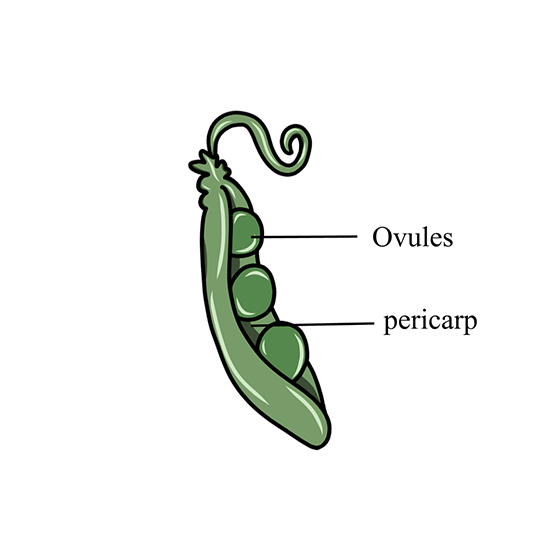
Ans: The figure below marks the ovule & pericarp.
     

seo images


Ovule-: It is the plant structure that develops into the seeds.

Pericarp-: It is the protective covering of seeds that develops from the ovary.


Q12Written answer

Why do gametes produced in large numbers in organisms exhibit external fertilization?

Show solutionHide solution
Worked solution

Ans: External fertilization is the process which involves the fusion of gametes outside the body of living organisms. In case of external fertilization, the chances of fertilization is very less because gametes can either get blown off by the wind or can be eaten by the predator. Hence, to ensure the fertilization large no. of gametes are produced.


Q13Written answer

Which of the following are monoecious and dioecious organisms.

a. Earthworm

______________

b. Chara

______________

c. Marchantia

______________

d. Cockroach 

______________

Show solutionHide solution
Worked solution

Ans: 

a. Earthworm

Monoecious animal

b. Chara

Monoecious plant

c. Marchantia

Dioecious plant

d. Cockroach 

Dioecious animal


Q14Written answer

Match the organisms given in Column-’A’ with the vegetative propagules given in column ‘B’.

Column A

Column B

i. Bryophyllum

(a) Offset

ii. Agave

(b) Eyes

iii. Potato

(c) Leaf buds

iv. Water hyacinth

(d) Bulbils

Show solutionHide solution
Worked solution

Ans:

Column A

Column B

i. Bryophyllum

(c) Leaf buds

ii. Agave

(d) Bulbils

iii. Potato

(b) Eyes

iv. Water hyacinth

(a) Offset


Q15Written answer

What do the following parts of a flower develop into after fertilization?

a. Ovary         ______________

Show solutionHide solution
Worked solution

Ans: Fruits

b. Ovules        ____________

Ans: Seeds