My Cart
Your Cart 0

    Your cart is empty.

  • Total (Amount) ₹0.00
NCERT Exemplar · Class 6 · Science

Chapter 3: Fibre to Fabric

Practice each question, then open the answer or worked solution.

Short Answer Questions

6 questions
Q18Written answer

Boojho with perfect eyesight was finding it difficult to pass a thread through a needle. What can be the possible reason for this?

Show solutionHide solution
Worked solution

Ans: This is because there is a problem with the thread not with eyesight. Thread can be either too thick or split into two.

Q19Written answer

In ancient times stitching was not known. People used to simply drape the fabrics around different parts of their body. Even today a number of unstitched fabrics are used by both men and women. Can you give four such examples of clothes?

Show solutionHide solution
Worked solution

Ans: The examples include Dhoti, Saree, Turban & Lungi.


Q20Written answer

Match the articles given in Column I with the articles of Column II

Column I

Column II

Sweater

Cotton

Cotton balls

Wool

Dhoti

Ginning

Gunny bags

Jute


Show solutionHide solution
Worked solution

Ans:

Column I

Column II

Sweater

Wool

Cotton balls

Ginning

Dhoti

Cotton

Gunny bags

Jute


Explanation:

Sweater is mainly prepared from wool.

Ginning is the process in which the cotton fibres are separated from the cotton seeds.

Dhoti is made up of cotton.

Gunny bags are made up of jute. They are used for storage purposes.


Q21Written answer

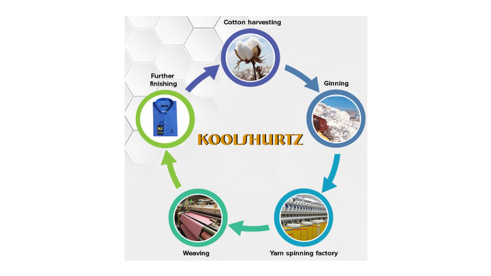
Fill in the blanks to complete the life story of cotton fibre.

My parents' cotton plants were grown in (i) _______soil and (ii) _____climate. The plants

bore fruits called (iii)______. I, the cotton fibre was separated from seeds in the cotton

bolls by the process of (iv) ______. Other cotton fibres and I were made into yarn by the

process of (v)______. The yarn was (vi) _______to give beautiful colours and then (vii)

_______ to get cotton fabric.

Show solutionHide solution
Worked solution

Ans: My parents' cotton plants were grown in (i) Black soil and (ii) warm climate. The plants

bore fruits called (iii) Cotton. I, the cotton fibre was separated from seeds in the cotton bolls

by the process of (iv) Ginning. Other cotton fibres and I were made into yarn by the process

of (v) Spinning. The yarn was (vi) Dyed to give beautiful colours and then (vii) woven to get

cotton fabric.


seo images


Q22Written answer

Match the terms given in Column I with the statements given in Column II

Column I

Column II

Weaving

A single yarn used to make a fabric

Knitting

Combing of cotton fibres to remove seeds

Spinning

Yarns are made from these thin strands

Ginning

These are spun from fibres and then used to make fabrics

Fibre

Process of arranging two sets of yarns together to make a fabric

Yarn

Process of making yarn from fibers


Show solutionHide solution
Worked solution

Ans: 

Column I

Column II

Weaving

Process of arranging two sets of yarns together to make a fabric

Knitting

A single yarn used to make a fabric

Spinning

Process of making yarn from fibers

Ginning

Combing of cotton fibers to remove seeds

Fibre

Yarns are made from these thin strands

Yarn

These are spun from fibers and then used to make fabrics


Q23Written answer

Fill in the names of useful items made from jute fibres in Fig. 3.1. One such example is given.


seo images


Show solutionHide solution
Worked solution

Ans:

List of items made up of jute fibers are-:

1. Rope                             5. Mattress

2. Jewellery                      6. Carpet

3. Gunny bags                  7. Home Decor

4. Handbags                    8. Jute dolls