Q21Written answer
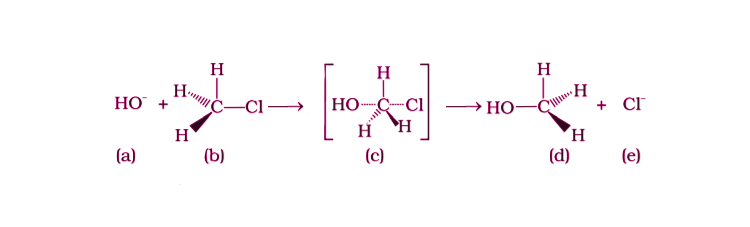
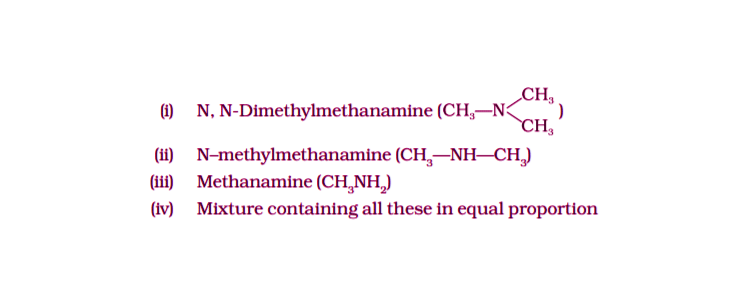
Chloromethane on treatment with an excess of ammonia yields mainly
Show solutionHide solution
Worked solution
Option (iii) is the answer.
Your cart is empty.
Practice each question, then open the answer or worked solution.
Chloromethane on treatment with an excess of ammonia yields mainly
Option (iii) is the answer.
Molecules whose mirror image is non-superimposable over them are known
as chiral. Which of the following molecules is chiral?
Option (i) is the answer.
Reaction of C6H5CH2Br with aqueous sodium hydroxide follows ____________.
(i) SN1 mechanism
(ii) SN2 mechanism
(iii) Any of the above two depending upon the temperature of the reaction
(iv) Saytzeff rule
Option (i) is the answer.
Which of the carbon atoms present in the molecule given below are asymmetric?

Option (ii) is the answer.
Which of the following compounds will give racemic mixture on nucleophilic
substitution by OH– ion?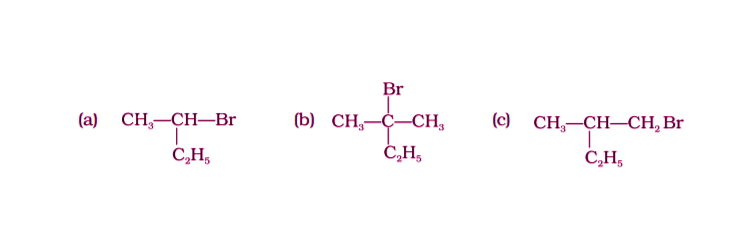
Option (i) is the answer.
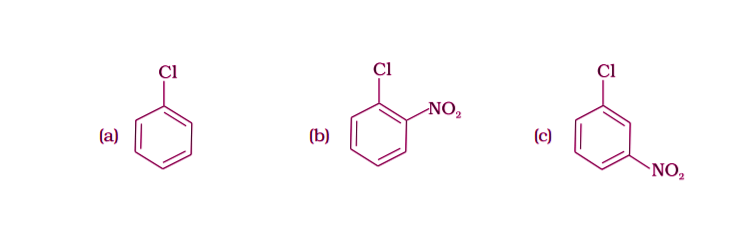
Note: In the questions, 26 to 29 arrange the compounds in increasing order
of the rate of reaction towards nucleophilic substitution.
26.
(i) (a) < (b) < (c)
(ii) (c) < (b) < (a)
(iii) (a) < (c) < (b)
(iv) (c) < (a) < (b)
Option (iii) is the answer.
27.
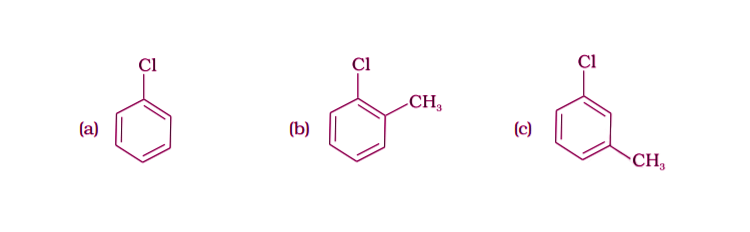
(i) (a) < (b) < (c)
(ii) (a) < (c) < (b)
(iii) (c) < (b) < (a)
(iv) (b) < (c) < (a)
Option (iv) is the answer.
28.
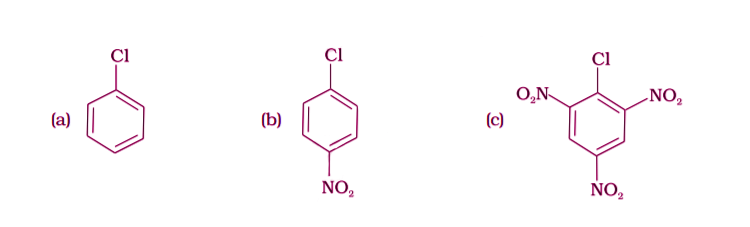
(i) (c) < (b) < (a)
(ii) (b) < (c) < (a)
(iii) (a) < (c) < (b)
(iv) (a) < (b) < (c)
Option (iv) is the answer.
29.
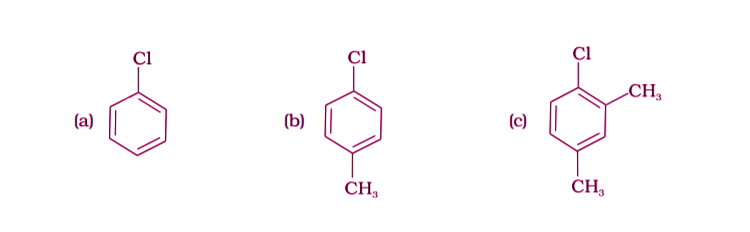
(i) (a) < (b) < (c)
(ii) (b) < (a) < (c)
(iii) (c) < (b) < (a)
(iv) (a) < (c) < (b)
Option (iii) is the answer.
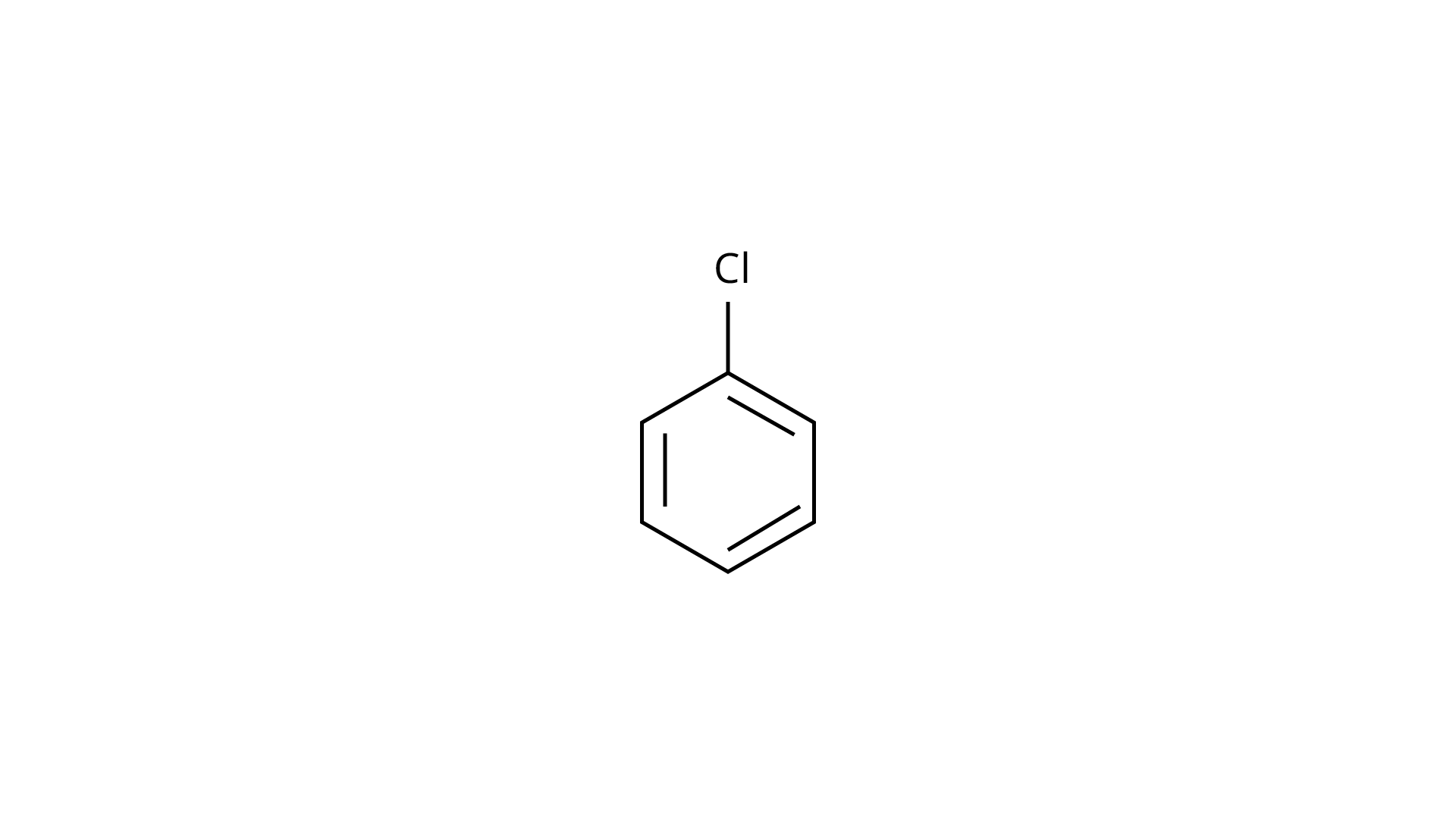
(a)
(b)
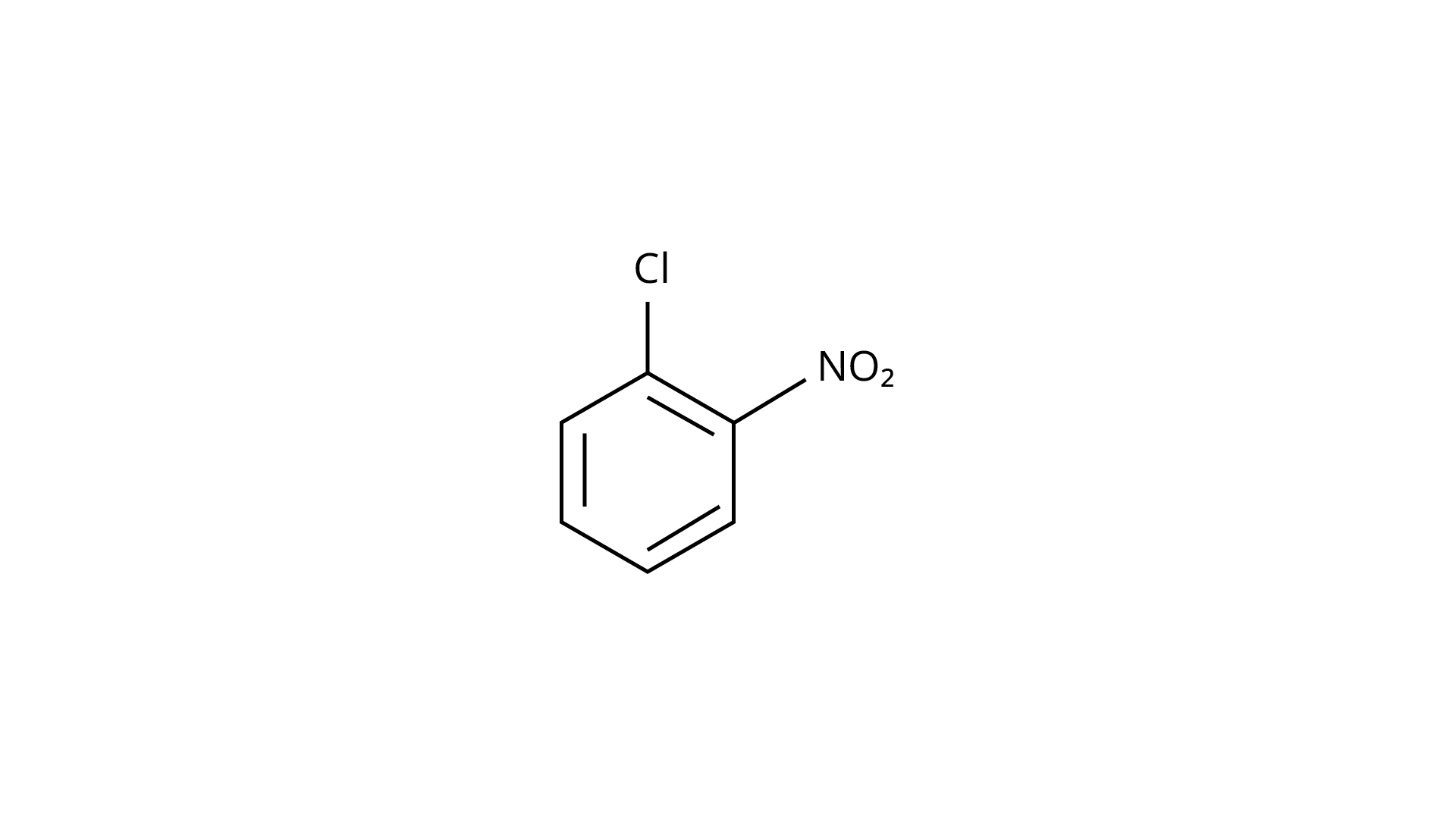
(c)
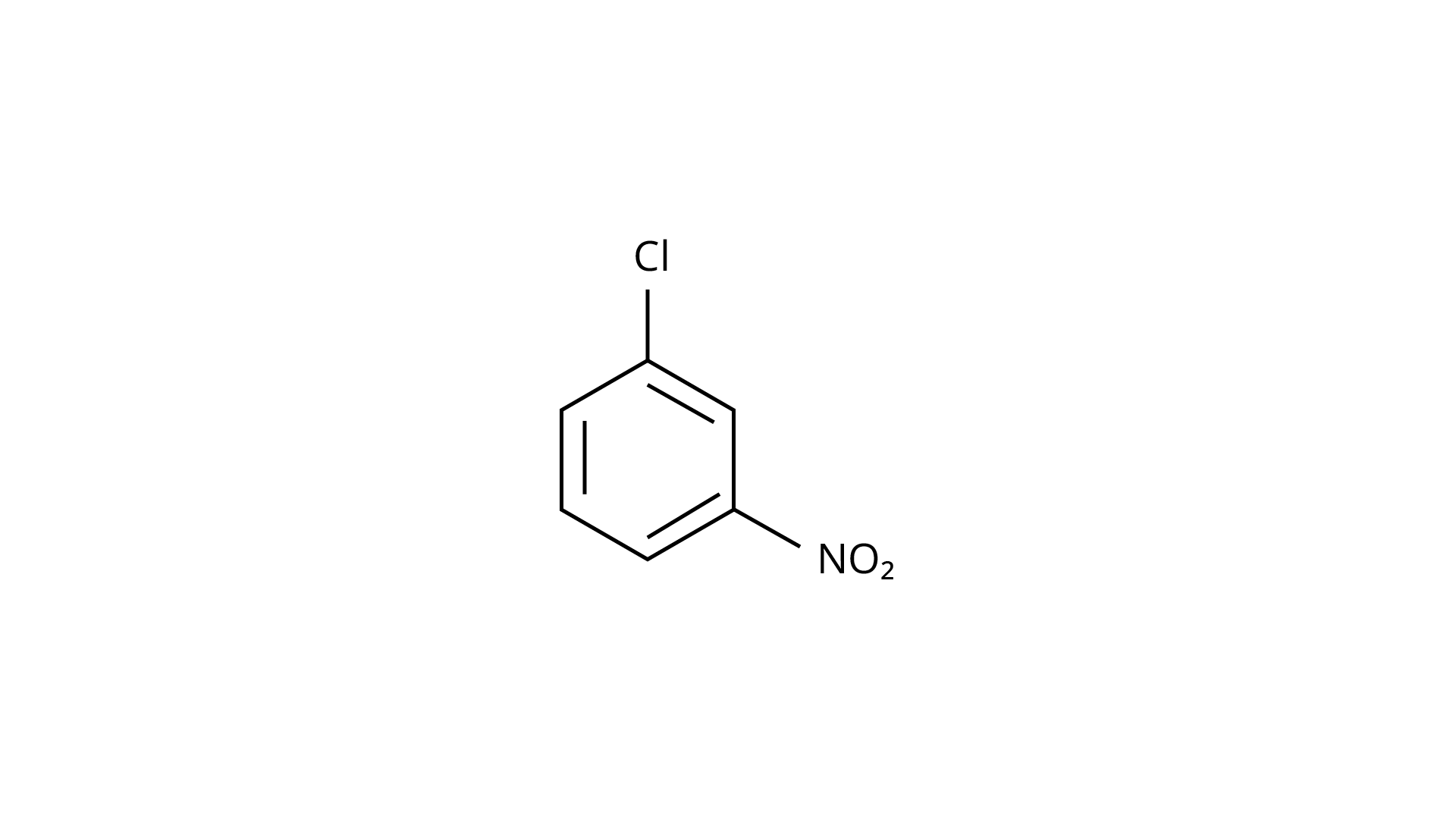
Ans: The Correct Answer is Option (iii).
Due to the resonance stabilisation of the benzene ring, the reactivity of aryl halides to nucleophilic substitution is exceedingly low. Because of resonance, the \[{\text{--Cl}}\] bond gains a partial double bond. The presence of an electron withdrawing \[{\text{--N}}{{\text{O}}_{\text{2}}}\] group at ortho or para positions on the ring enhances the reactivity of aryl halides. The presence of \[{\text{--N}}{{\text{O}}_{\text{2}}}\] near the \[{\text{C---Cl}}\] makes the molecule more reactive. The order of reactivity should be (b) > (c) > (a). The right option is (iii).
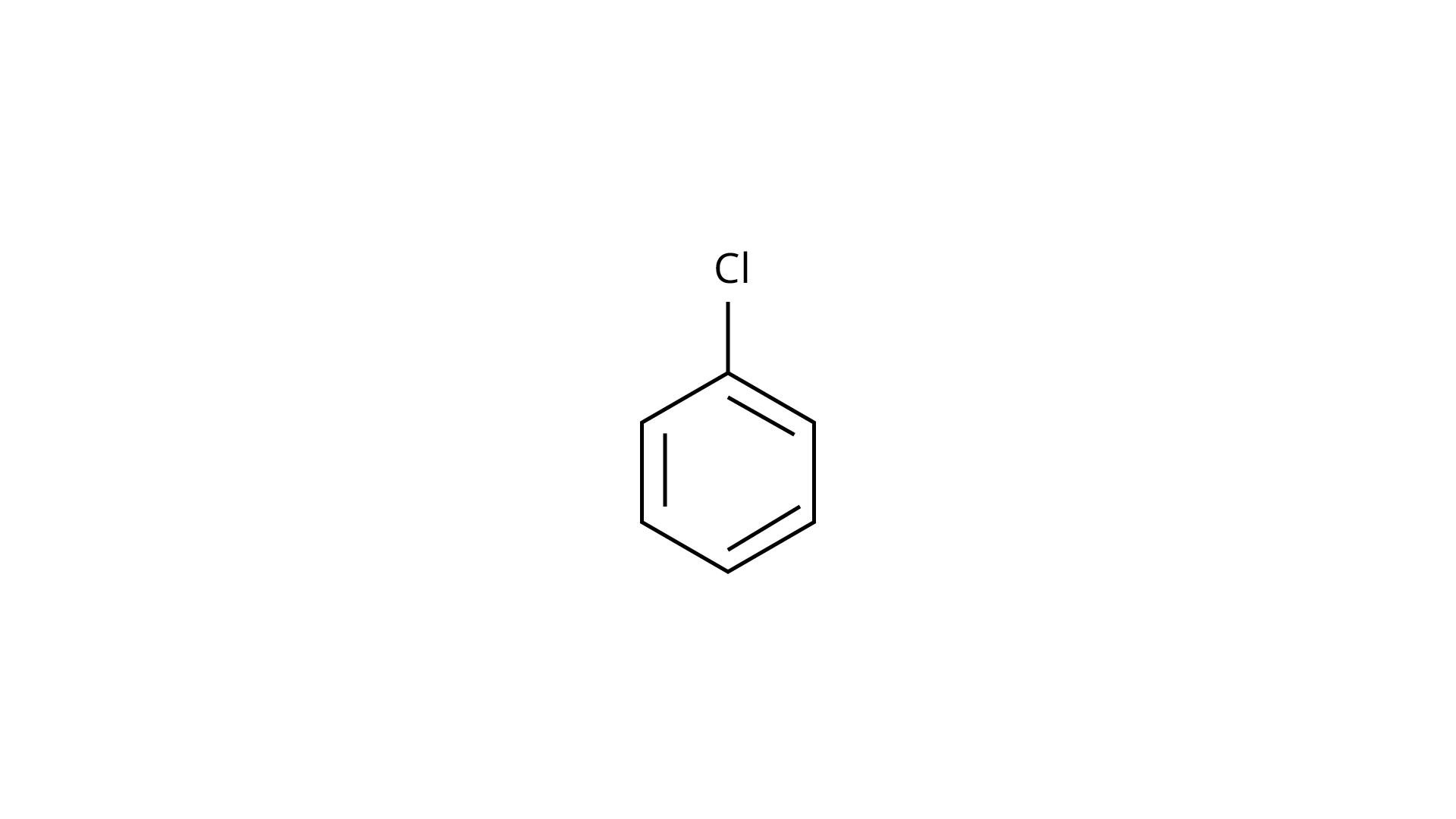
(a)
(b)
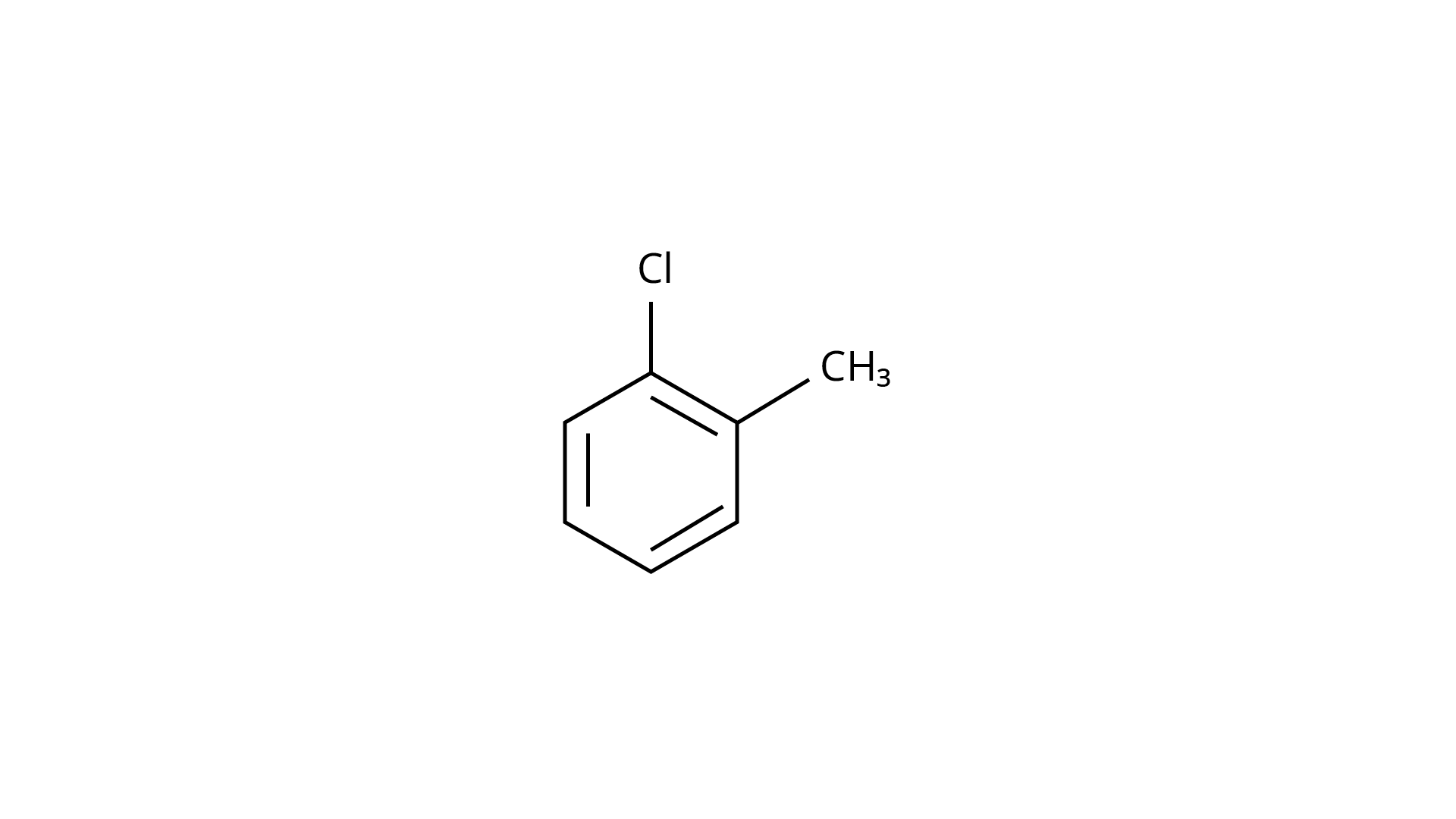
(c)
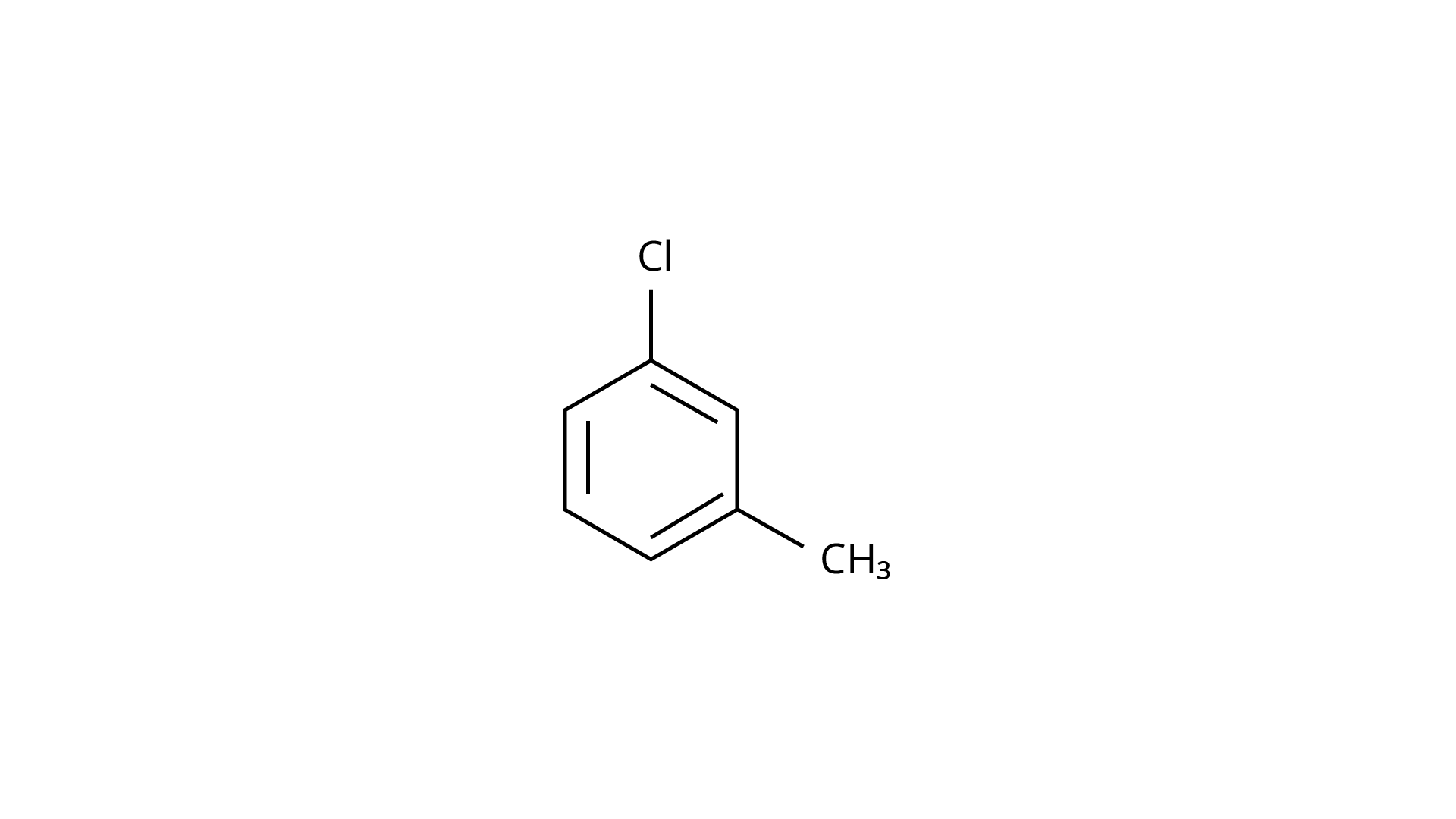
Ans: The Correct Answer is Option (iv).
Because the \[{\text{--C}}{{\text{H}}_{\text{3}}}\] group is an electron releasing group, it reduces the reactivity of aryl halides in the ortho and para locations. As a result, aryl halides without electron releasing groups are more reactive. As a result, the order of reactivity is (a) > (c) > (d) (b). The right answer is (iv).
(a)
(b)
(c)
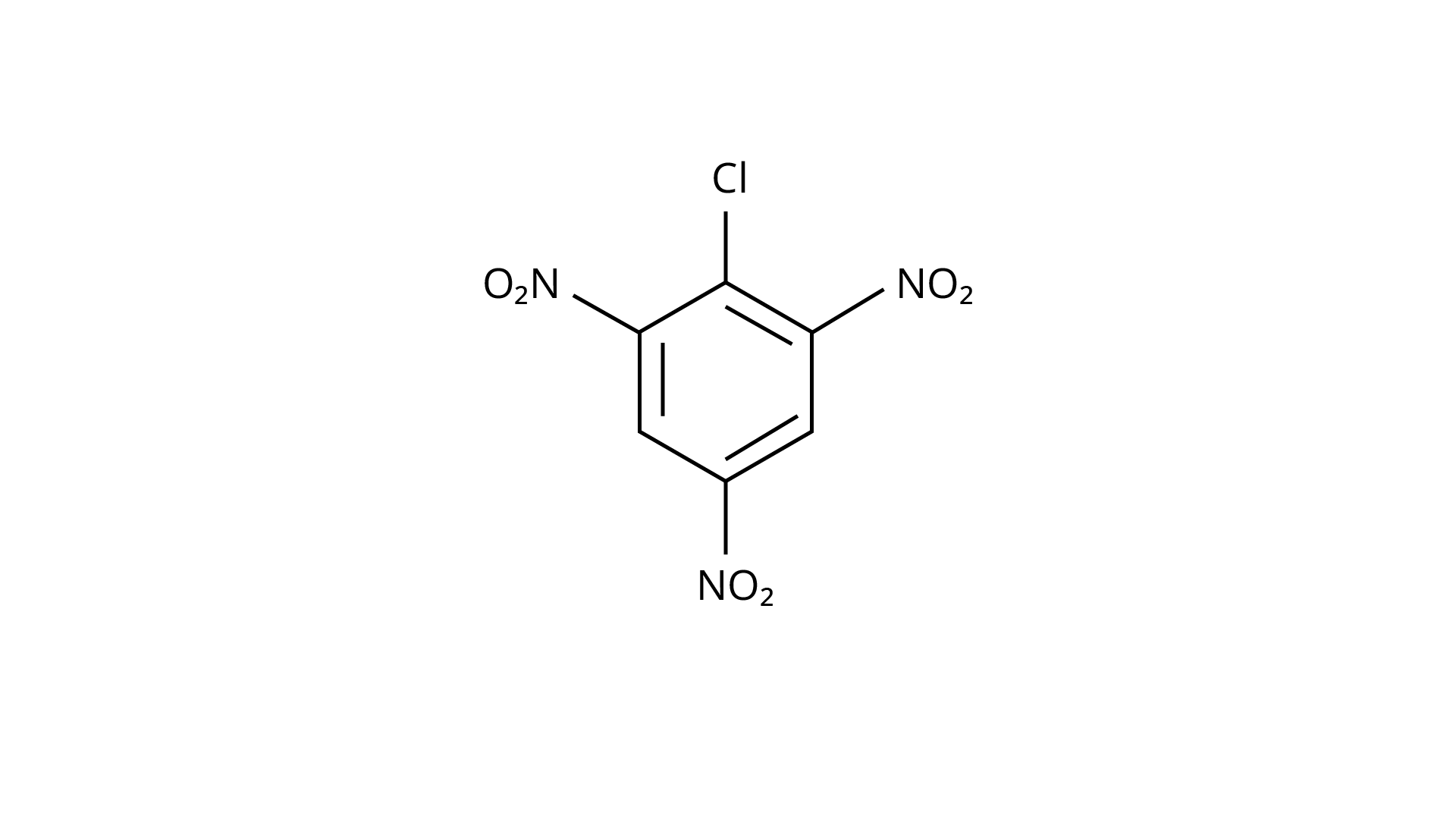
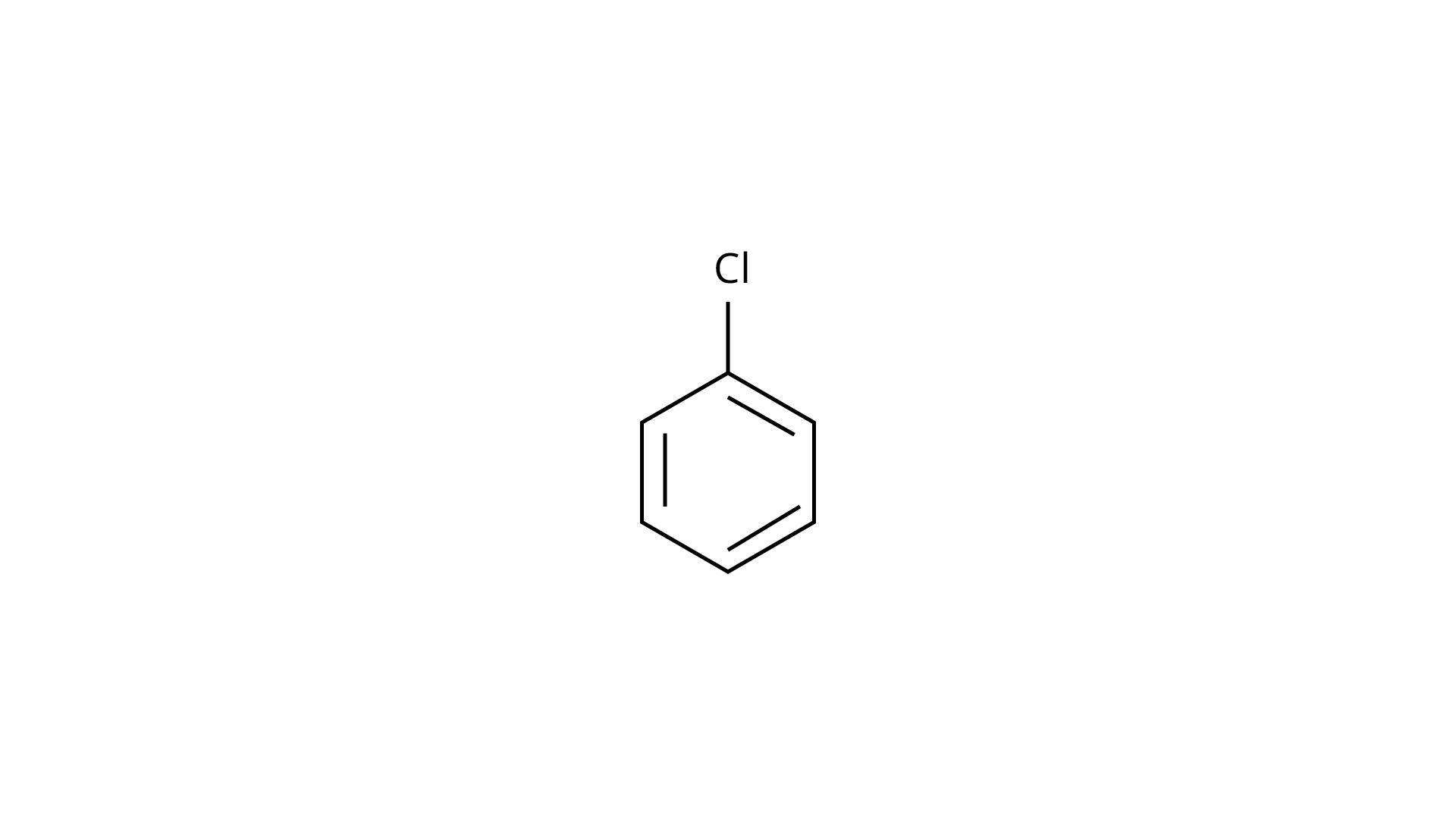
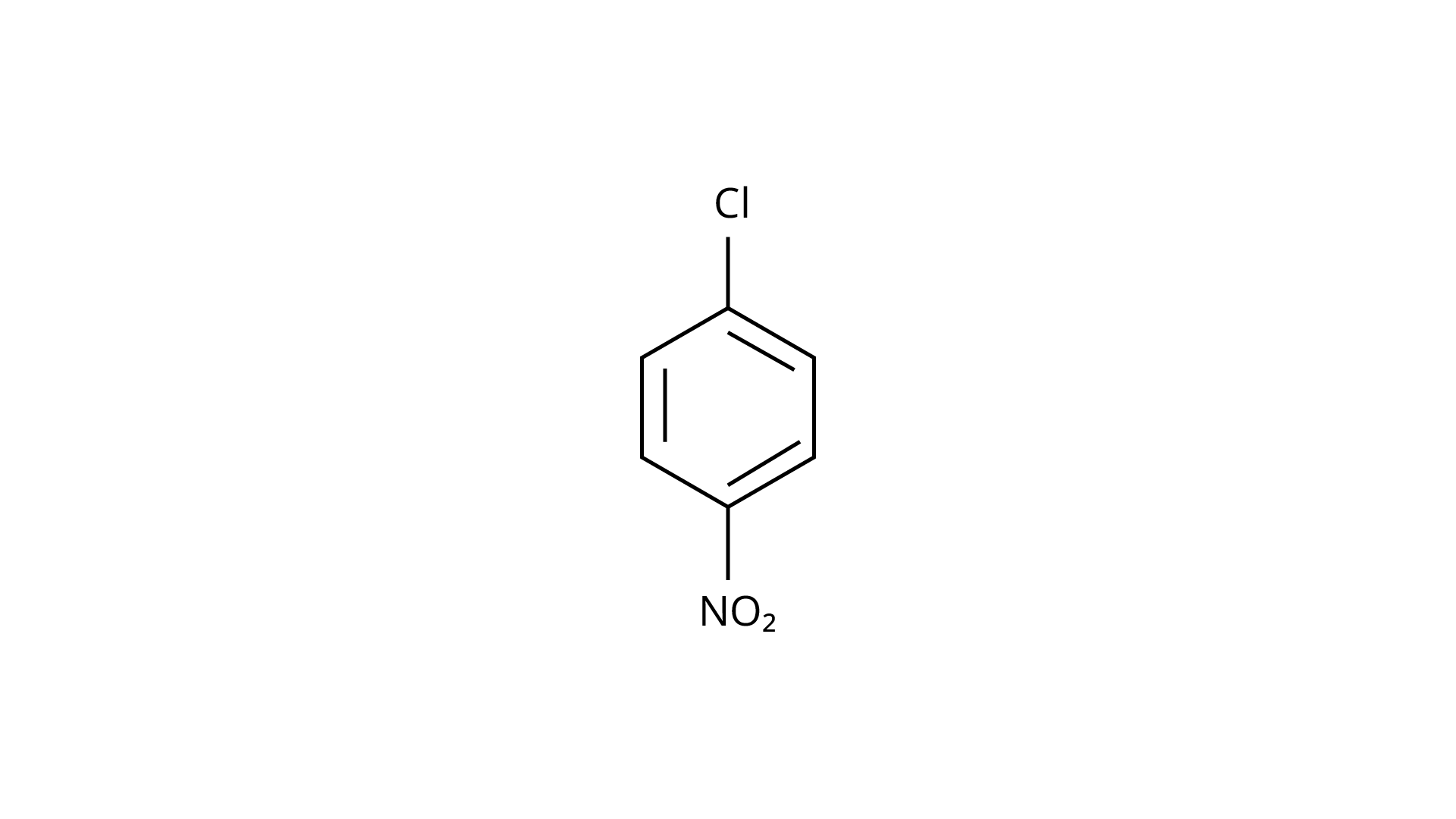
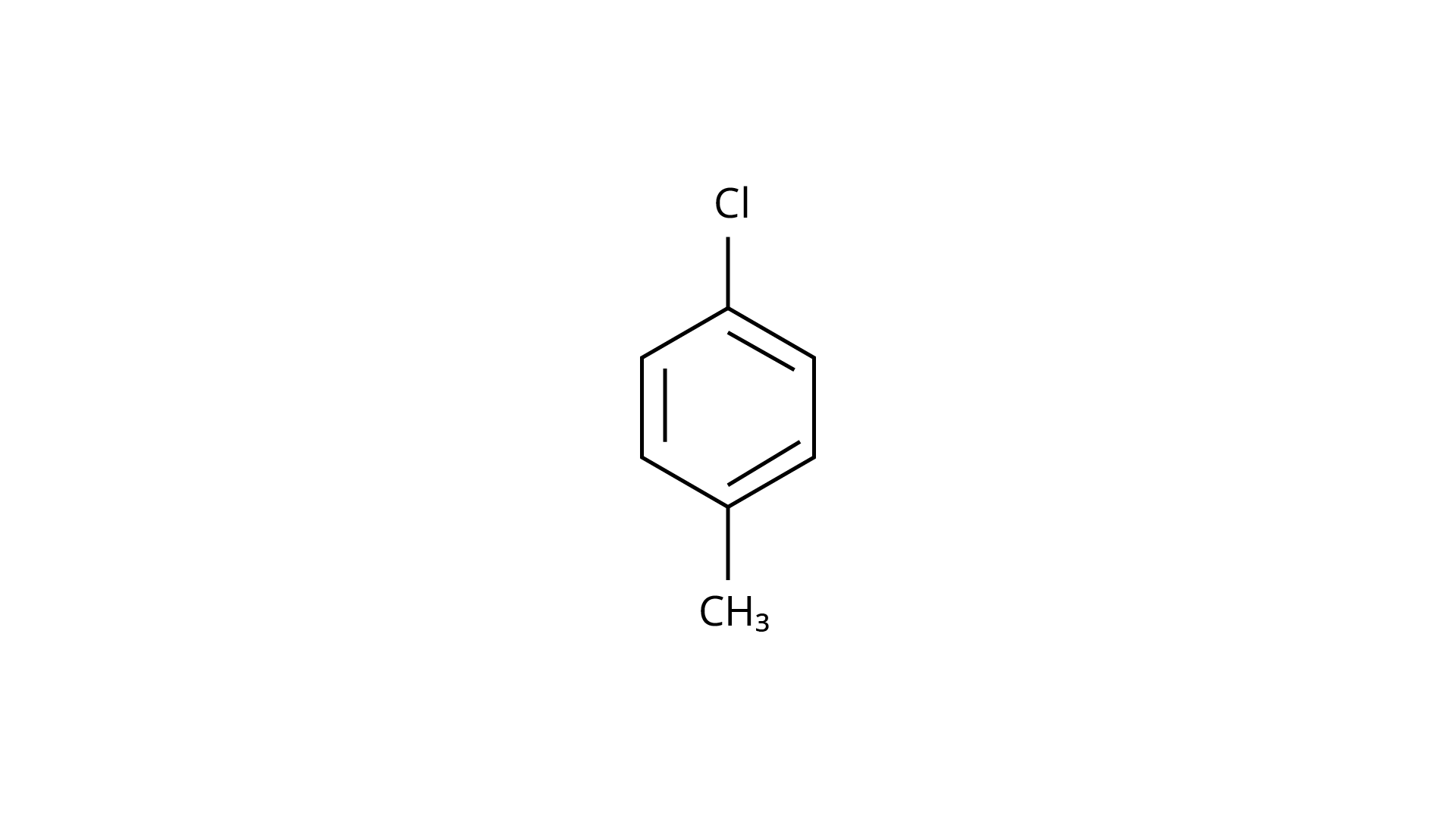
Ans: The Correct Answer is option (iv).
(\[{\text{ - N}}{{\text{O}}_{\text{2}}}\]) is an electron-withdrawing group that induces nucleophilic substitution when it is in the ortho and para positions. When this identical electron-drawing group is in the meta position, its impact is much reduced. The reactivity of aryl halides rises as the number of electron-withdrawing groups increases. As a result, the greater the number of electron-drawing groups, the greater the rate of nucleophilic substitution.
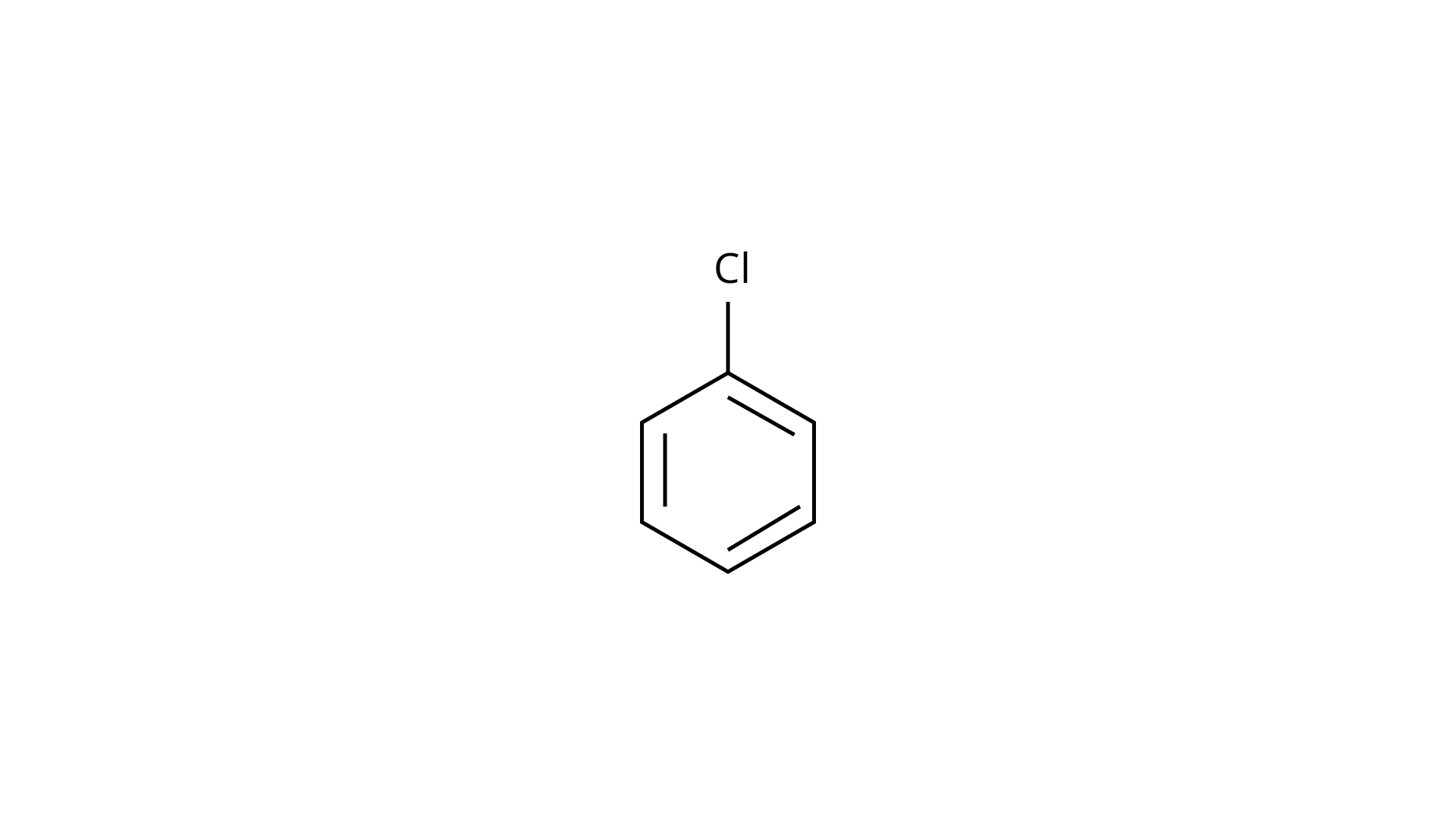
(a)
(b)
(c)
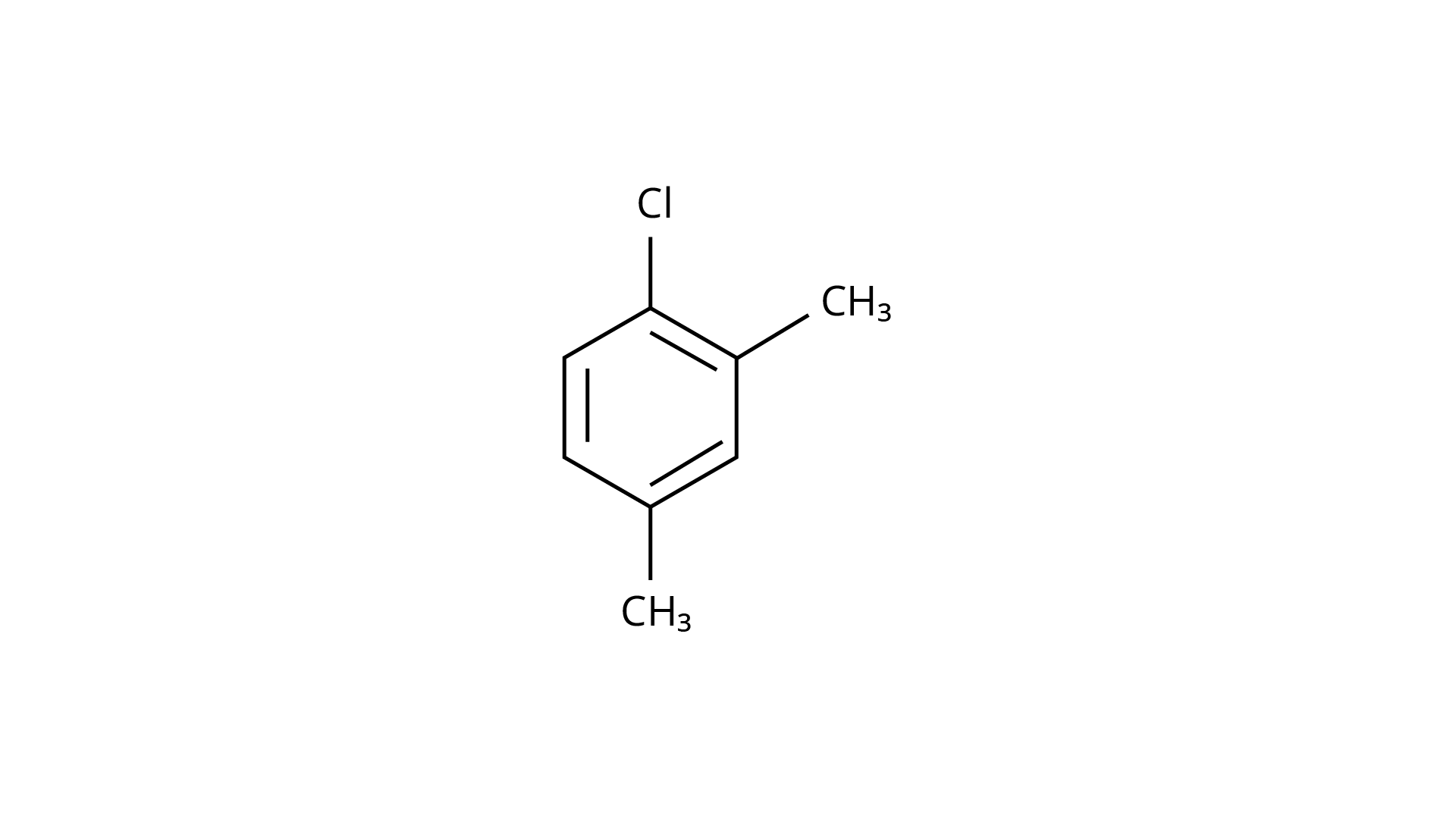
Ans: The Correct Answer is Option (iii).
The presence of electron releasing groups increases the reactivity of aryl halides; the fewer the electron releasing groups, the slower the rate of nucleophilic substitution. As a result, an increase in methyl groups decreases reactivity. The sequence of reactivity is (a) > (b) > (c). The right answer is (iii).
Which is the correct increasing order of boiling points of the following
compounds?
1-Iodobutane, 1-Bromobutane, 1-Chlorobutane, Butane
(i) Butane < 1-Chlorobutane < 1-Bromobutane < 1-Iodobutane
(ii) 1-Iodobutane < 1-Bromobutane < 1-Chlorobutane < Butane
(iii) Butane < 1-Iodobutane < 1-Bromobutane < 1-Chlorobutane
(iv) Butane < 1-Chlorobutane < 1-Iodobutane < 1-BromobutaneSolution:
Option (i) is the answer.
31. Which is the correct increasing order of boiling points of the following compounds?
1-Bromoethane, 1-Bromopropane, 1-Bromobutane, Bromobenzene
(i) Bromobenzene < 1-Bromobutane < 1-Bromopropane < 1-Bromoethane
(ii) Bromobenzene < 1-Bromoethane < 1-Bromopropane < 1-Bromobutane
(iii) 1-Bromopropane < 1-Bromobutane < 1-Bromoethane < Bromobenzene
(iv) 1-Bromoethane < 1-Bromopropane < 1-Bromobutane < Bromobenzene
Option (iv) is the answer
II. Multiple Choice Questions (Type-II)
Note: In the following questions two or more options may be correct.
Consider the following reaction and answer the questions no. 32–34.